27 articles to prepare your trip
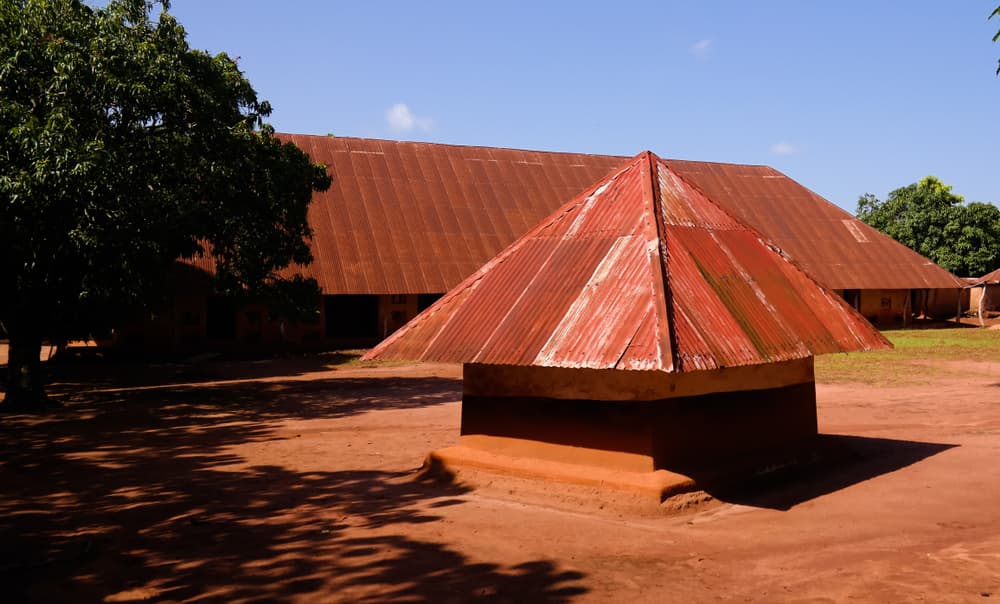
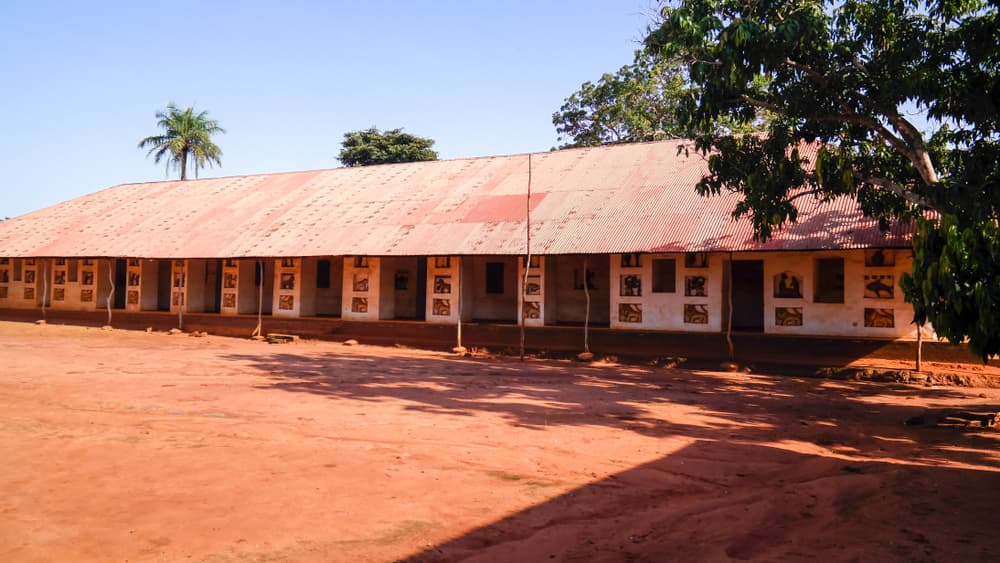
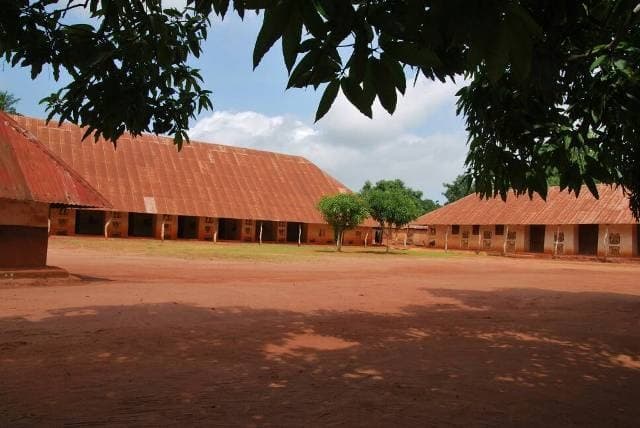
In the heart of Abomey, the Honmè Palace is the palatial complex of the kings of Dahomey, a UNESCO World Heritage site. Polychrome bas-reliefs, royal thrones, and vodoun altars tell twelve centuries of Dahomean power.
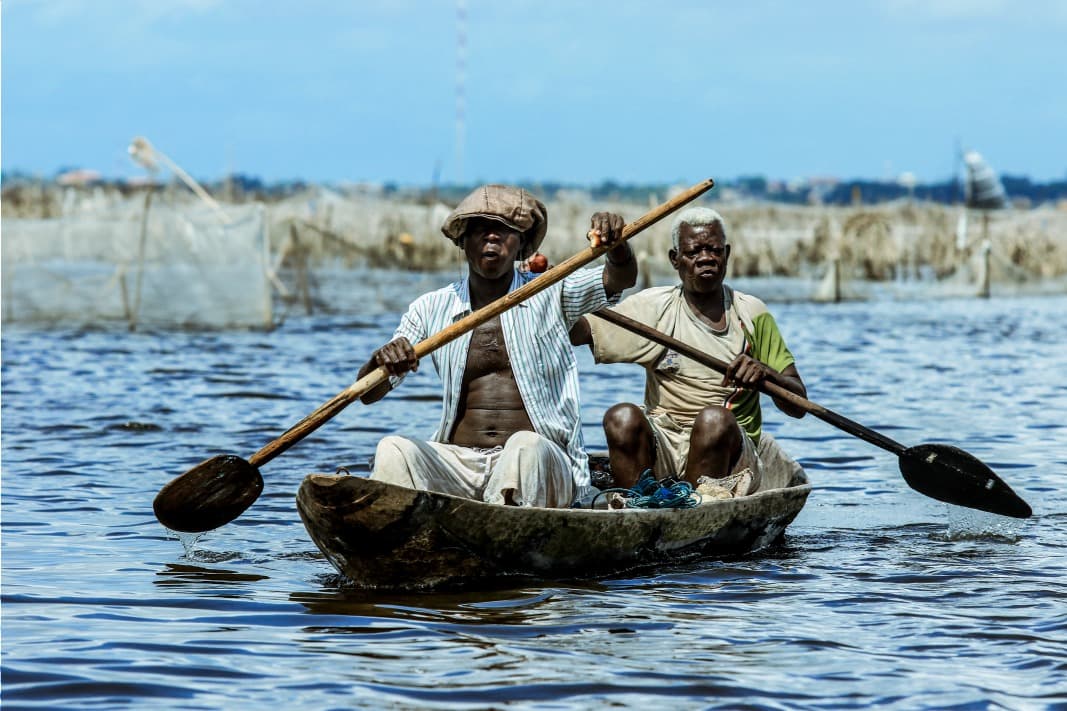
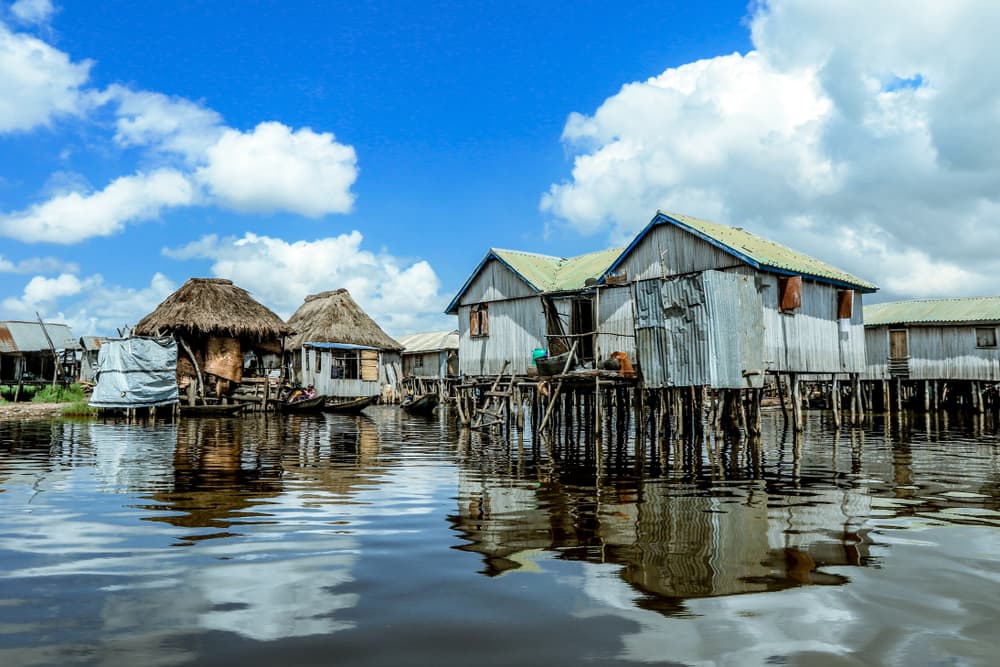
Ganvié is a village of twenty thousand inhabitants entirely built on stilts in the middle of Lake Nokoué. Founded to escape slave raids, it preserves a unique lacustrine way of life, between floating market and traditional fishing.
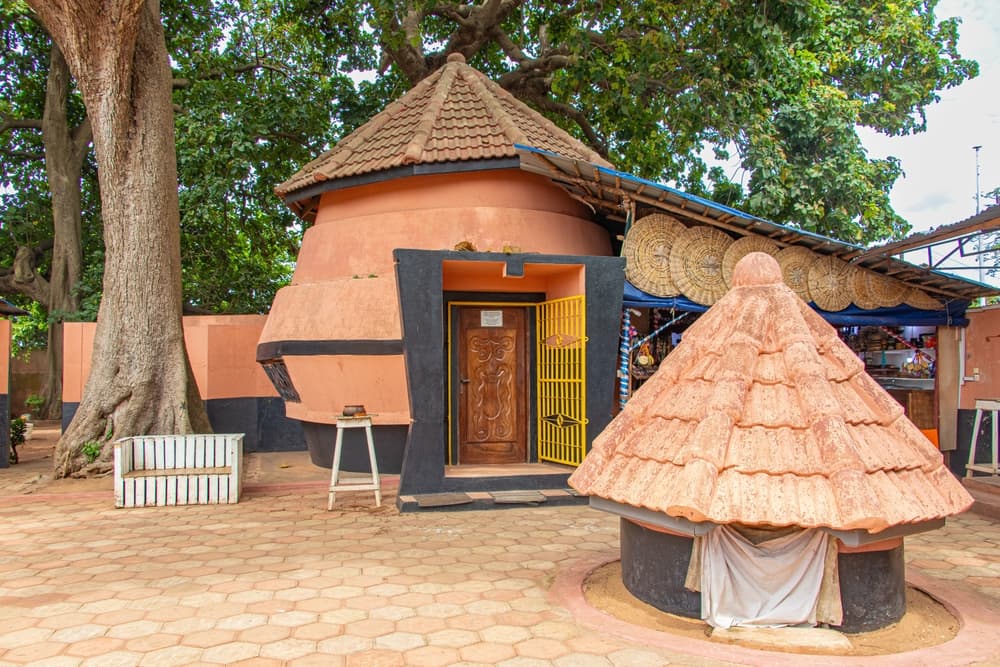
In the heart of Ouidah, the Python Temple houses dozens of sacred royal pythons, venerated since the 17th century. A living place of voodoo worship, far more than a tourist attraction.
In Abomey, the royal palaces of Honmé trace the history of the powerful Kingdom of Dahomey. Clay bas-reliefs, royal thrones and the tombs of sovereigns make up this UNESCO-listed site, a must-see in Benin.
Former capital of the Dahomey Kingdom, Abomey preserves a complex of royal palaces designated UNESCO World Heritage. Polychrome bas-reliefs, dynastic thrones and a historical museum recount two centuries of African power.
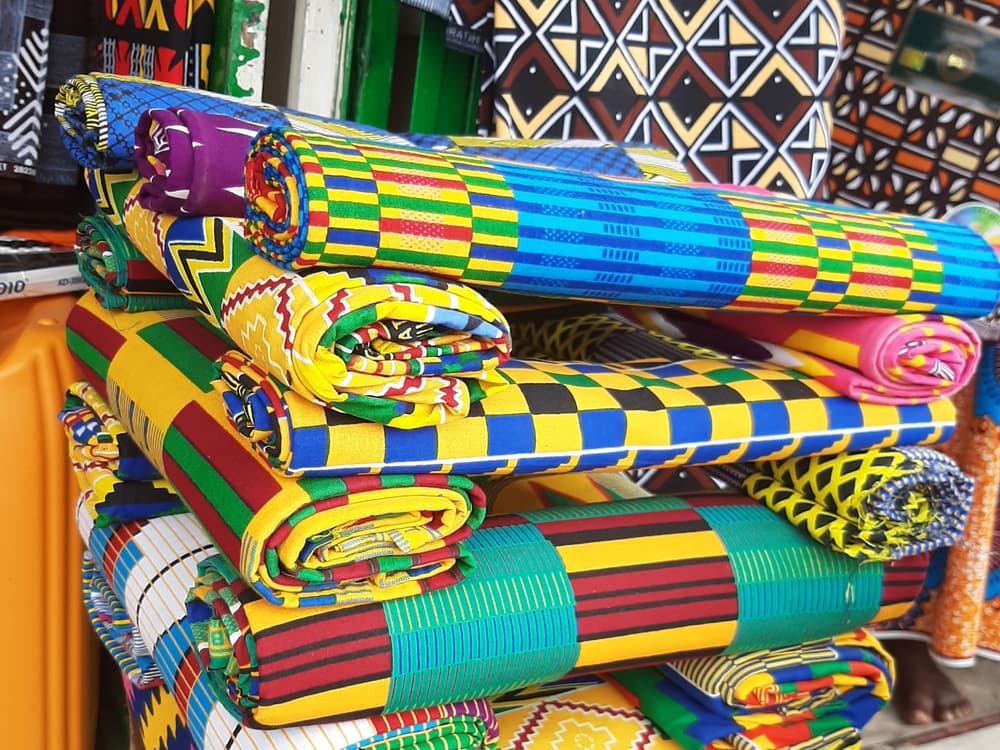
Dantokpa market in Cotonou is West Africa's largest open-air market. Wax textiles, medicinal plants, voodoo fetishes and street food: a total immersion in Beninese economy and culture.
A vast brackish lake north of Cotonou, Lake Nokoué is home to the stilt settlement of Ganvié and a community of Tofinu fishermen living entirely on the water since the 17th century.
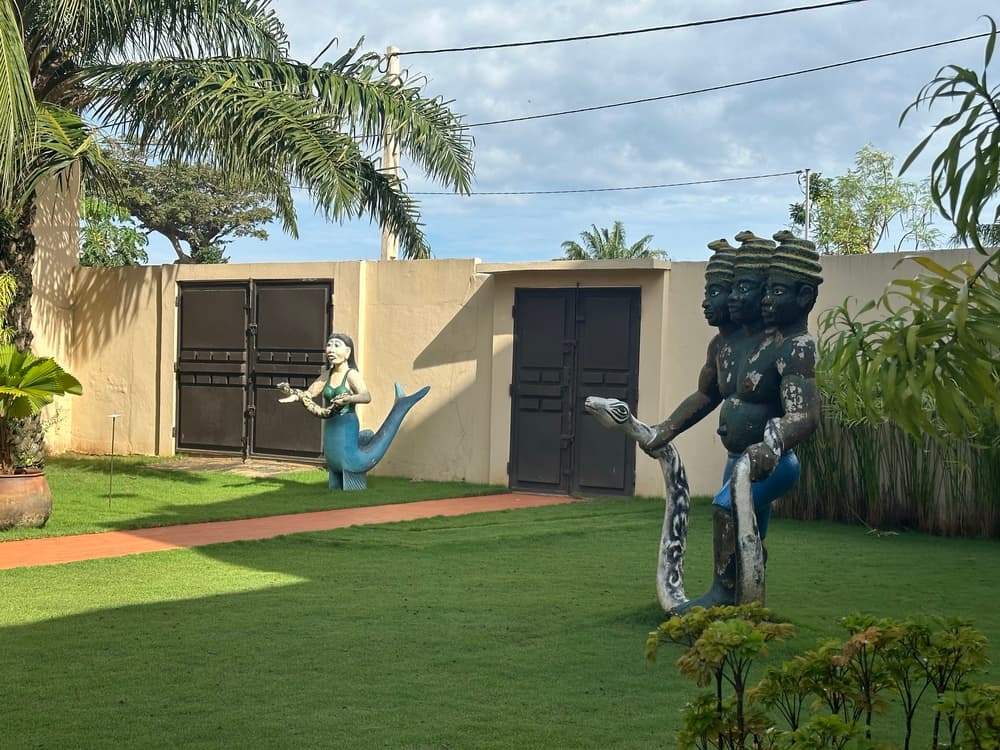
The Zinsou Foundation in Cotonou is a pioneering space for contemporary African art. Located in a restored colonial villa in the Haie Vive district, it offers free temporary exhibitions and a specialized bookstore.
Over 4 km in Ouidah, the Slave Route marks in six stages the journey of captives deported from the Gulf of Guinea, from Chacha Square to the Gate of No Return.
UNESCO Biosphere Reserve spanning 4,700 km² in northwestern Bénin, Pendjari is home to lions, elephants, cheetahs and over 400 bird species.
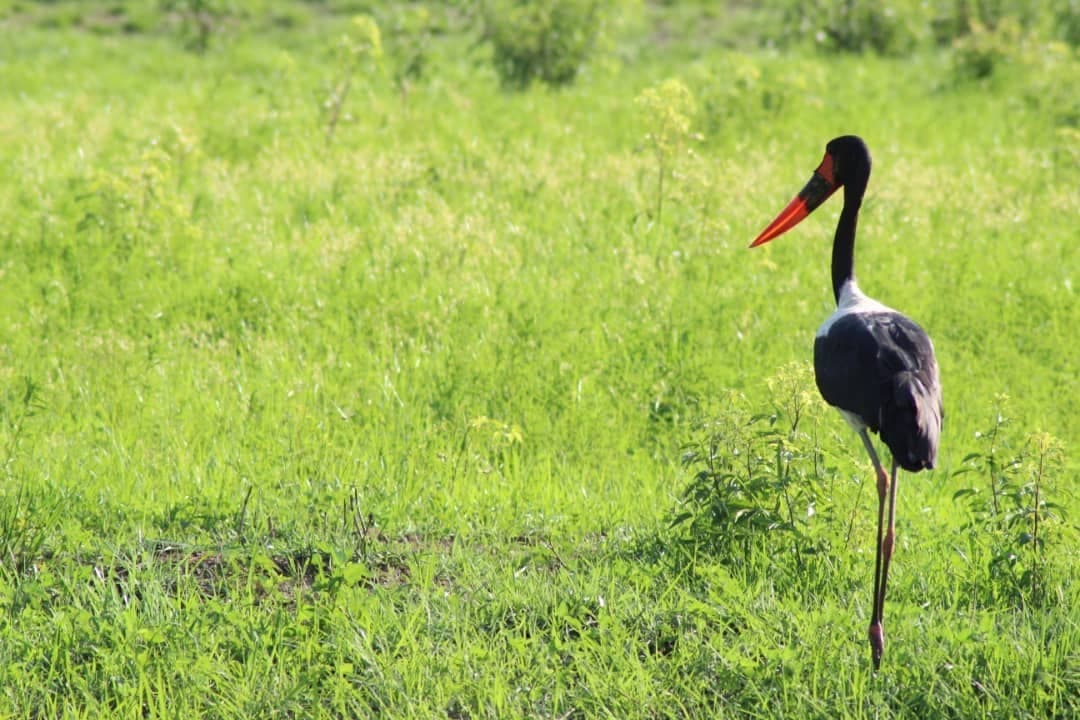
With more than 550 species recorded between southern lagoons, central forests, and northern savannas, Benin stands out as a premier ornithological destination in West Africa.
Ouidah
On Ouidah's beach, the Gate of No Return arch marks the embarkation point for captives deported to the Americas. A memorial to the Atlantic slave trade.
A Yoruba-Nago masked dance inscribed by UNESCO, Guelede is celebrated in Kétou, Savè and Pobè, on the plateau of southeastern Bénin.
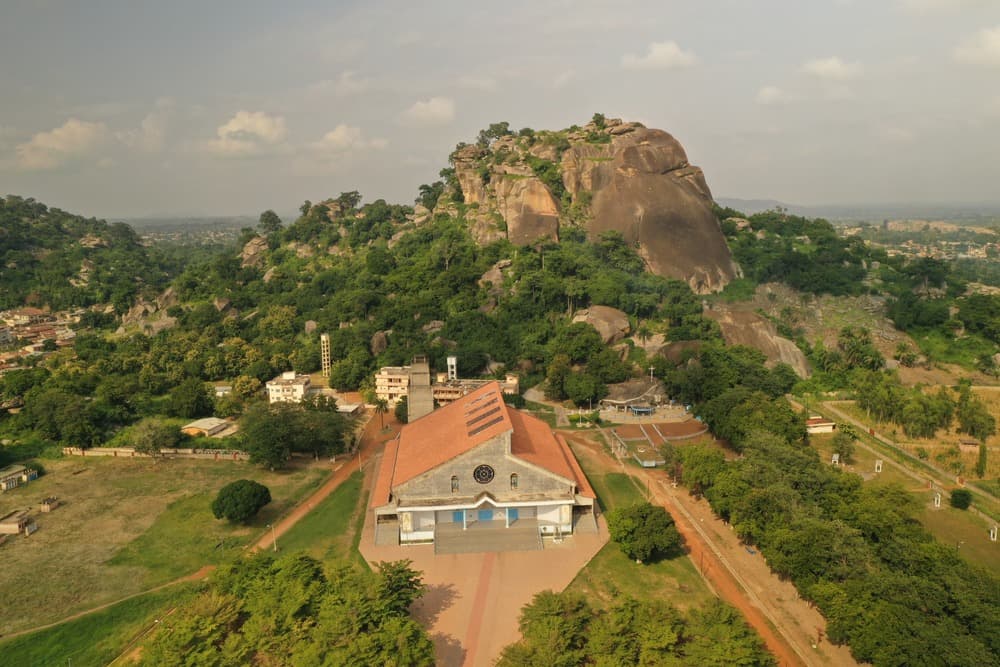
Bénin's principal Marian sanctuary, the Notre-Dame d'Arigbo Cave in Dassa-Zoumè draws tens of thousands of pilgrims each August 15th.
A 19th-century Afro-Brazilian building in the heart of Porto-Novo, the Great Mosque blends Islamic and Yoruba styles. Practical guide to visiting it in Benin.
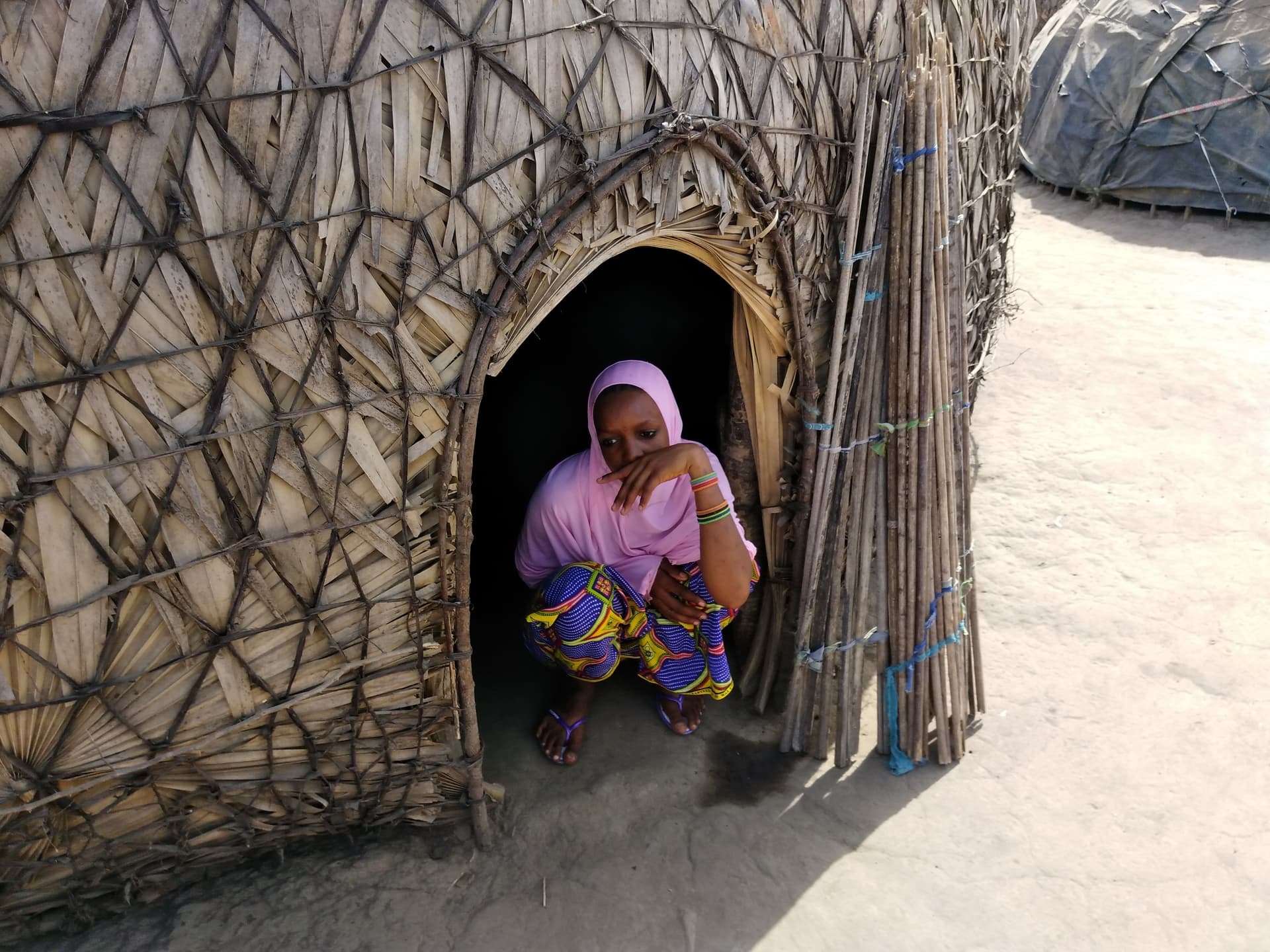
In Zangnanado, in the Zou department, the Foulani camp of Gossoué offers a rare glimpse into the pastoral Peul way of life in southern Bénin.
In Ouidah, the Kpassè Zoun sacred forest tells the legend of King Kpassè and shelters the sanctuaries of the voodoo pantheon's deities.
Benin's longest river, the Ouémé flows across the country for 500 km, from the Atacora to the Gulf of Guinea, passing through Porto-Novo and its lacustrine delta.
18 of 27 results
We use cookies to improve your experience and measure our site's audience. You can choose what you accept. Learn more.