Former Kingdom of Dahomey (Grand-Popo Context)
A former slave trade outpost under the influence of the Dahomey Kingdom, Grand-Popo preserves colonial houses, vodou altars, and a wild lagoon along Benin's coastline.
Grand-Popo is one of Benin's most historically significant coastal towns. An active slave trade post from the 17th to 19th centuries, it served as an embarkation point to the Americas under the influence of the Dahomey Kingdom. Today, the city retains architectural and memorial traces of this period, set among lagoons, coconut palms, and dilapidated colonial houses.
Practical Information at a Glance
- Access: Grand-Popo lies on the coastal road (RNIE 1) between Cotonou and the Togolese border crossing at Hillacondji.
- Transport: Shared taxi or zémidjan (motorbike taxi) from Cotonou or Ouidah.
- Recommended duration: Half a day to a full day to explore the town and its surroundings.
- Dress code: Light clothing suited to the tropical coastal climate; cover up when visiting vodou worship sites.
What to See
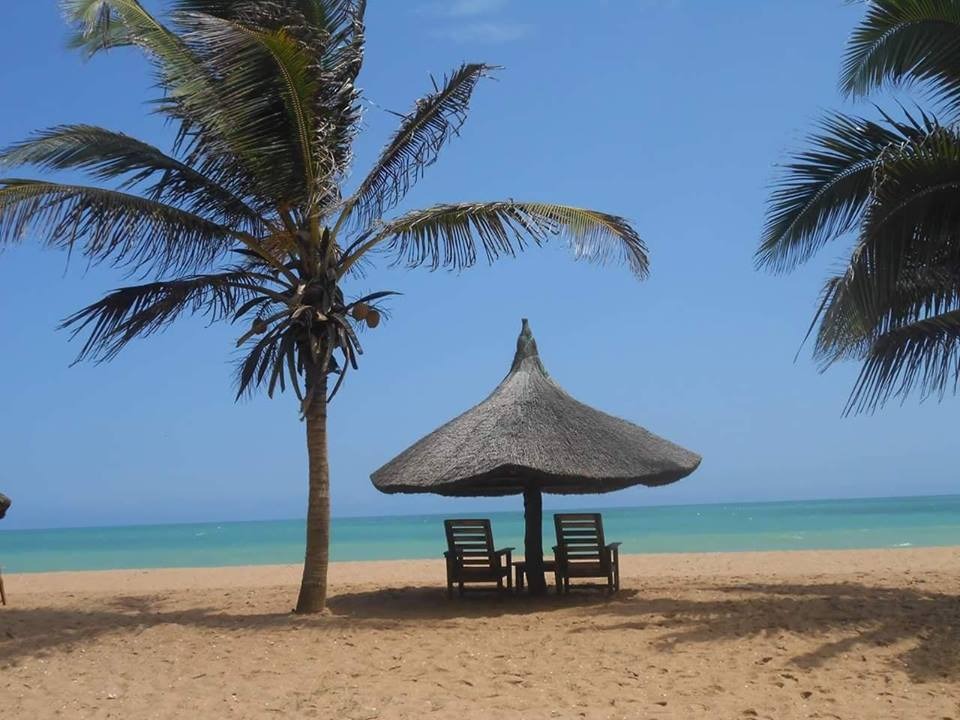
Grand-Popo offers views of a lagoon and the mouth of the Mono River, lined with fishing pirogues and nets drying in the sun. The ruins of Portuguese and French colonial houses dot the waterfront. Discreet vodou altars mark the alleyways. The beach, long and wild, remains largely untouched by mass tourism.
History and Context
Grand-Popo was an active port in the triangular trade, indirectly influenced by the Dahomey Kingdom based in Abomey. European traders—Portuguese, French, and Brazilian—established trading posts here. Afro-Brazilian families who returned from the Americas in the 19th century left a visible architectural and cultural imprint in certain residences.
Vodou, a structuring religion of Dahomey, remains alive in Grand-Popo: ceremonies, convents, and fetishes are part of daily local life.
Highlights of Your Visit
The Lagoon and Mono River Mouth
A pirogue excursion on the lagoon allows you to observe lakeside villages, migratory birds, and mangrove forests. The mouth of the Mono River, where freshwater meets the Atlantic, offers a striking landscape at sunset.
Colonial and Afro-Brazilian Houses
A few facades from the colonial era remain in the town center. Their state of preservation is fragile. A local guide can help identify the most significant buildings and explain their history.
Vodou Altars and Sacred Sites
Grand-Popo is a place of authentic vodou practice. Altars dedicated to deities of the sea (Mami Wata) and earth can be found in residential neighborhoods. Discretion and the accompaniment of a local guide are essential.
Etiquette and Visiting Guidelines
- Never photograph a vodou altar or ceremony without explicit permission.
- Adopt a respectful and quiet demeanor near convents and places of worship.
- A local guide is strongly recommended for accessing spiritual sites without misstep.
- Certain areas may be off-limits to non-initiates: always follow local guidance.
Photography Tips
The golden light of late afternoon is ideal for photographing the Mono River mouth and pirogues. Colonial houses photograph well in the morning light, before the heat sets in. Avoid photographing residents without their consent, especially during religious practices.
Location and Access
Grand-Popo sits approximately 100 km west of Cotonou on the Atlantic coast. The town is accessible by the coastal national road. From Ouidah, expect about 45 minutes by vehicle. The Togolese border crossing at Hillacondji is very nearby. Accessibility for people with reduced mobility is limited due to sandy tracks.
Nearby Attractions
- Ouidah — A major site of slave trade memory, featuring the Slave Route and the Temple of Pythons.
- Abomey — Former capital of the Dahomey Kingdom, a UNESCO World Heritage site.
- Lake Ahémé — A coastal lake with fishing villages, accessible by pirogue from the region.
Frequently asked questions
The dry season, from November to March, offers the best conditions: manageable heat, passable roads, and calmer seas for pirogue excursions.
A local guide is highly advised, particularly for accessing vodou sites and colonial houses. It facilitates exchanges with residents and helps avoid cultural missteps.
Yes, the two towns are close on the coastal road. Plan a full day to visit both without rushing.
Some public ceremonies are open to respectful visitors, particularly during the national vodou festival in January. A local guide remains essential for attending properly.
The Atlantic currents along this coast are powerful and swimming can be dangerous. Check with locals before swimming.
Interested in this visit?
We can include it in your personalised itinerary.