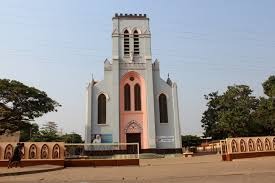
Colonial Houses of Porto-Novo
Porto-Novo preserves a remarkable ensemble of Brazilian and French colonial houses, the legacy of the Agudas, former freed slaves who returned from Brazil. A stroll through the historic center reveals arcaded facades, wrought-iron balconies, and inscriptions in Portuguese.
Porto-Novo, the administrative capital of Bénin, preserves a remarkable collection of colonial houses dating principally from the Brazilian and French periods (19th–20th centuries). These buildings bear witness to the return of freed slaves from Brazil — the "Agudas" — who imported a hybrid architectural style, blending Lusitanian and French influences with local traditions. Walking through the streets of the historic center is to read a complex history of the slave trade, return migration, and cultural métissage.
Practical Information at a Glance
- Access: historic center of Porto-Novo, accessible on foot from Red Star Square or Ouando Market.
- Admission: exterior viewing is free; certain private houses or associated museums may request a donation.
- Recommended duration: 1.5 to 2 hours for a stroll through the district.
- Dress code: no particular clothing restrictions.
- Guided tours: recommended for accessing interiors and understanding the history of Aguda families; inquire at the local tourist office or your agency.
What You'll See
The facades combine arcaded colonnades, wrought-iron balconies, imported tiles, and stucco ornaments. The colors—ochre, off-white, faded blue—contrast with the tropical vegetation that creeps between the walls. Some residences still bear inscriptions in Portuguese or family crests. The state of preservation varies: some houses are restored, others in gradual decline, which gives the walk an authentic character, far removed from museum reconstructions.
History and Context
From the mid-19th century onward, hundreds of freed former slaves returned from Brazil and Cuba to the Guinea Gulf coast. In Porto-Novo, they formed the Aguda community, established themselves as merchants and artisans, and built houses modeled on those they had known in Salvador da Bahia or Lagos. French colonial administration later superimposed its own administrative buildings, creating a dual-layer colonial urban landscape, unique in West Africa.
Highlights of the Visit
The House of Félix Crespin
One of the best-preserved Aguda residences in the city center. Its arcaded facade and stucco details perfectly illustrate the Brazilian style transplanted to Beninese soil.
The Brazil Quarter
A concentration of colonial houses around streets near the great mosque. The density of historic buildings is highest here; this is the heart of Aguda memory in Porto-Novo.
French Administrative Buildings
Former structures from the French colonial era—courthouse, former governor's residence—which complete the architectural picture and recall the dual colonial oversight the city experienced.
Photography Tips
Morning light (before 9 a.m.) is ideal: it strikes east-facing facades without glare. Frame details—ironwork, Portuguese inscriptions, tiles—rather than entire facades, often cluttered with electrical cables. Always ask permission before photographing residents or private interiors.
Location and Access
The colonial houses are concentrated in Porto-Novo's historic center, a few minutes' walk from the Ethnographic Museum of Porto-Novo and the Great Mosque of Porto-Novo. The city is connected to Cotonou by a paved road (approximately 30 km); zémidjans (motorcycle taxis) and shared taxis run regularly. The center is easily walkable on foot, though some streets have uneven paving.
Nearby Attractions
- Ethnographic Museum of Porto-Novo — collections on the Goun and Yoruba kingdoms, housed in a former colonial palace.
- Royal Palace of Porto-Novo — historic residence of the Toffa kings, now a museum dedicated to local royalty.
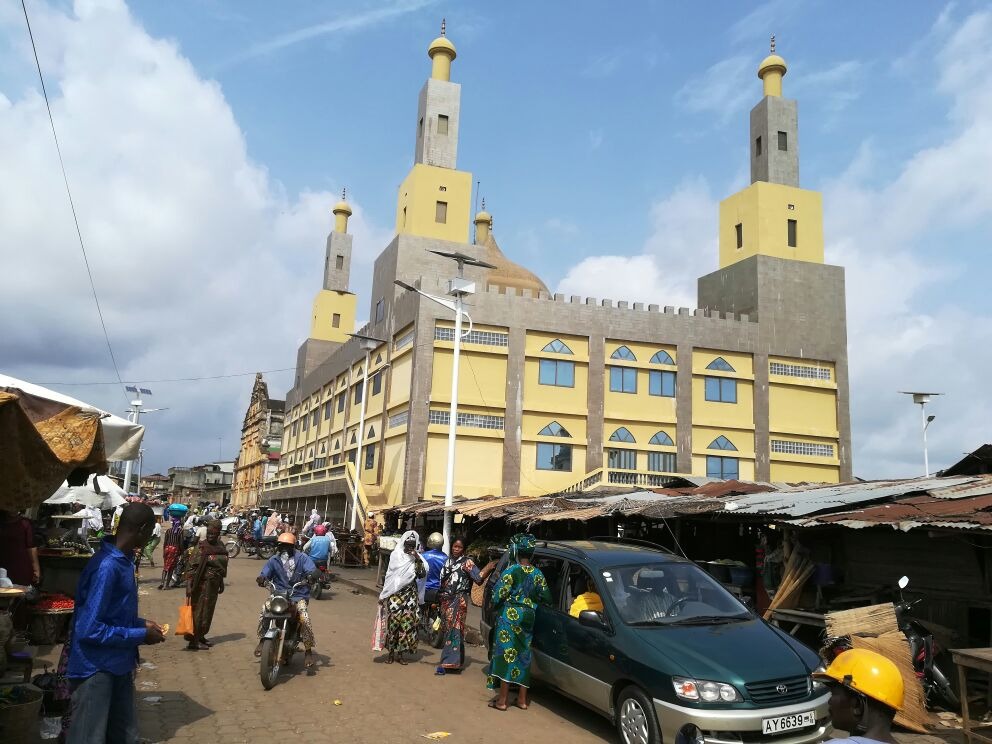
- Great Mosque of Porto-Novo — building with characteristic Brazilian architecture, built by the Aguda community.
- Ouando Market — Porto-Novo's bustling popular market, lively and colorful, ideal after an architectural stroll.
Frequently asked questions
The exterior walk is open and free. To access interiors and understand the history of Aguda families, a local guide is strongly recommended. Your Nomadays agency can organize this guided visit.
The dry season (November to March) offers the best visiting conditions: manageable heat and walkable streets. Avoid the heavy rains of June–July, which can make some alleys muddy.
Allow 1.5 to 2 hours for a leisurely stroll through the historic district. Combined with the ethnographic museum and royal palace, plan for a full half day.
Yes. Porto-Novo is approximately 30 km from Cotonou. Starting in the morning, you can explore the historic center and return in the late afternoon by shared taxi or private car.
Most are private occupied properties. Only a few are open to visitors, sometimes by request to the families. A local guide greatly facilitates these contacts.
Interested in this visit?
We can include it in your personalised itinerary.