Pendjari National Park
Pendjari National Park
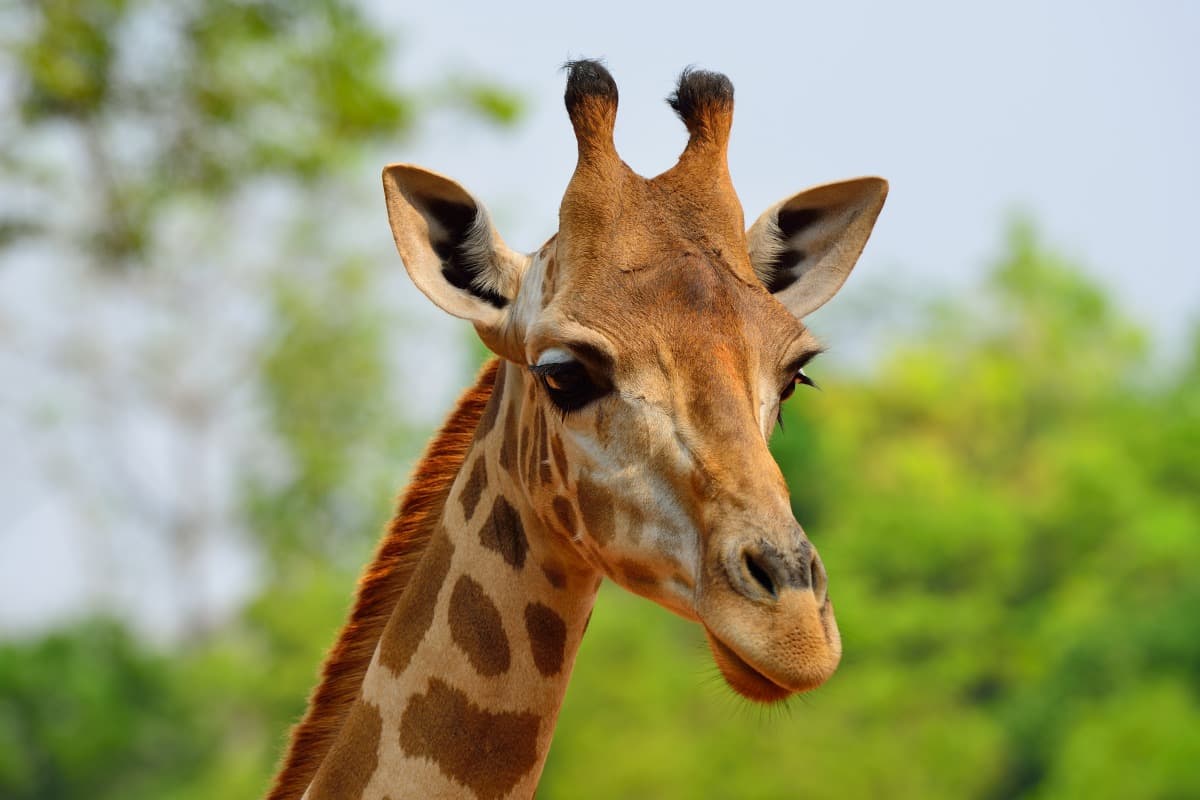
UNESCO Biosphere Reserve spanning 4,700 km² in northwestern Bénin, Pendjari is home to lions, elephants, cheetahs and over 400 bird species.
Pendjari National Park stretches across 4,700 km² in northwestern Bénin, between the foothills of the Atakora range and the Pendjari River. Inscribed as a UNESCO World Heritage site in 2017, it stands as one of the last great wildlife sanctuaries in West Africa, where significant populations of lions, elephants and cheetahs still thrive.
Why visit Pendjari Park
Pendjari forms part of the transnational WAP complex (W, Arly, Pendjari), a protected area spanning Bénin, Burkina Faso and Niger. The park is home to more than 240 plant species across 53 families and over 400 bird species, making it one of Africa's most biologically diverse territories.
The cheetah, a species threatened across the continent, serves as the park's emblem. The lion population, estimated at around 50 individuals, makes it one of the last refuges for this big cat in West Africa. Its biosphere reserve status, granted by UNESCO in 1986, also reflects a shared management effort with local communities, which has given rise to the ecotourism experiences available today.
History and protection status
Pendjari's administrative history mirrors the evolution of conservation in Bénin:
- 1954: recognized as a partial wildlife reserve.
- 1955: upgraded to total wildlife reserve status.
- 1959: creation of the Pendjari and Atacora hunting zones.
- 1961: official establishment of Pendjari National Park (PNP).
- 1986: recognized by UNESCO as a Biosphere Reserve (RBP).
- 1996: creation of CENAGREF (National Wildlife Reserve Management Center) and AVIGREF (Village Association for Wildlife Reserve Management), bringing local communities into park management.
- 2017: inscribed as a UNESCO World Heritage site as part of the WAP complex.
This dual recognition—as both biosphere reserve and world heritage site—now structures efforts to combat poaching and ensure sustainable tourism management.
What to see and do in the park
Large fauna
Grassy savannas concentrate most terrestrial wildlife sightings: elephants, African buffalo, lions, hyenas, wild dogs, jackals and several antelope species (waterbuck, roan antelope, hartebeest). The cheetah, more elusive, remains difficult to spot but is present. Along the Pendjari River, you'll observe groups of hippopotamuses and Nile crocodiles in marshy areas.
Reptiles and birdlife
The park also hosts a wide variety of reptiles: Seba's python, agamas, skinks, lizards, sand snakes and tortoises. On the avian side, over 400 species have been recorded, including the African hamerkop, Senegal jabiru, African fish eagle, Abyssinian roller and grey heron. Wetland areas along the river are richest for birdwatching.
Vegetation and landscapes
Vegetation alternates between gallery forests along waterways, open woodlands, tree and bush savannas, and wetland zones. Baobabs, locust beans and shea trees punctuate open landscapes, giving Pendjari a distinctly Sudanian character.
Activities on offer
- 4x4 safaris on marked park trails, accompanied by an accredited guide.
- Observation from water points and viewing platforms, particularly rewarding in late dry season.
- Birdwatching excursions along the river.
- Discovery of riverside villages managed through AVIGREF.
When to visit
The region experiences a predominantly Sudanian climate, with roughly 1,000 to 1,100 mm of annual rainfall. The rainy season runs from mid-May through October, followed by a cool dry season from November to February, then a hot dry season from March to mid-May when temperatures can approach 40°C.
The best period for wildlife observation falls between December and April: water becomes scarce, animals concentrate around permanent water points, and trails remain accessible. During the rainy season, the park is largely closed to visitors and trails become difficult to navigate.
Practical information
- Visiting season: generally mid-November to mid-June, with partial closures during rainy season.
- Entry fees: per-person and per-vehicle entrance fees apply, plus a mandatory guide package. Rates vary by season; check with park management before departure.
- Accommodation: several lodges and campsites operate inside or adjoining the park, from AVIGREF community guesthouses to more comfortable establishments like Pendjari Lodge. Reservations are strongly advised during peak season.
- Useful equipment: light-colored clothing, closed-toe shoes, binoculars, sun protection, malaria prophylaxis.
How to reach Pendjari
The park sits at the far northwestern tip of Bénin. From Cotonou, allow a full day's travel. Two options are available:
- By personal or rental vehicle: take the paved Cotonou–Bohicon–Dassa–Parakou axis, then head north toward Natitingou and Tanguiéta. The total journey represents approximately 600 km from Cotonou.
- By public transport: bus companies serve Natitingou and Tanguiéta from the Red Star junction in Cotonou. Expect around ten hours of travel; from Tanguiéta, a 4x4 vehicle remains essential to reach the park gates.
Most travelers combine Pendjari with a stop in the Atakora region, which serves as the logistical base.
Nearby attractions
- Natitingou: regional capital and logistical starting point for the park, noteworthy for its regional museum.
- Tanguiéta: the last major town before the park's southern entrance.
- Atakora Mountains: range bordering the park to the south, ideal for hiking and discovering tata-somba villages.
- Tanougou Falls: waterfall near Tanguiéta, most visited at the end of the rainy season.
- Birdwatching in Bénin, to extend your experience in other wetland areas across the country.
Frequently asked questions
Frequently asked questions
The dry season, from December through April, offers optimal viewing conditions: accessible trails, wildlife concentrated around water points and less dense vegetation.
Elephants, buffalo, antelopes and hippopotamuses are frequently observed. Lions and hyenas require some patience, while cheetahs and wild dogs remain rare. The park also welcomes over 400 bird species.
Yes. An accredited guide is mandatory within the park, both for safety reasons and to support the community-based management led by AVIGREF.
Two to three days on location allow you to vary trails and observation times (morning and late afternoon). Including travel from Cotonou, plan at least five days for a comfortable visit.
No. During the rainy season, from mid-May through October, most of the park is closed or difficult to access. The visiting season typically runs from mid-November to mid-June.
Plan your trip
Pendjari fits into a broader circuit across Bénin, between southern Vodun heritage, the slave trade routes and the northern highlands. To build a tailor-made itinerary including the park and Atakora region, consult our Bénin travel suggestions.
Interested in this visit?
We can include it in your personalised itinerary.