BIRDS OF BENIN
BIRDS OF BENIN
With more than 550 species recorded between southern lagoons, central forests, and northern savannas, Benin stands out as a premier ornithological destination in West Africa.
Benin is home to a rich array of bird life, at the crossroads of West African migration routes and Sahelo-Sudanian ecosystems. The country counts more than 550 bird species, of which approximately 130 are among threatened species. This abundance, spread across southern wetlands, central forests, and northern savannas, makes Beninese territory a credible destination for ornithological tourism.
Why observe birds in Benin?
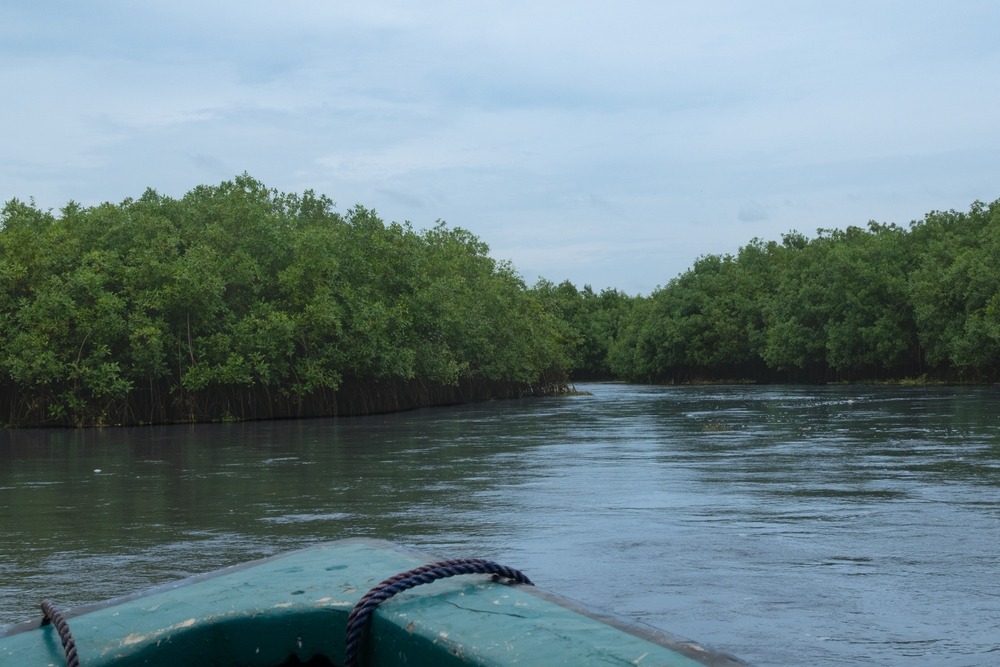
Three factors make bird observation in Benin particularly compelling. The first lies in the diversity of habitats: across a relatively compact territory, you traverse coastal mangroves, brackish lagoons, dense forests, wooded savannas, and floodplain zones. Each environment hosts its own distinct array of species.
The second reason is the country's position along the Palearctic migration corridor. Between October and April, dozens of European and North African species stop over or pass through Benin before returning to their breeding grounds.
Finally, Benin is developing solid scientific momentum around its avifauna. Abomey-Calavi University is conducting several studies on the causes of species decline, and numerous conservation projects are underway in Pendjari National Park, Lama Forest, Lake Nokoué, Grand-Popo, the Mono River, and Lake Toho.
Which species can you observe?
Migratory species
Migrants constitute a visible portion of Beninese avifauna during the dry season. Among regularly observed species:
- the royal tern, frequent on the coast and lagoons;
- the whimbrel, present on coastal mudflats;
- the striated heron, in inland wetlands;
- the bee-eater, with vibrant plumage;
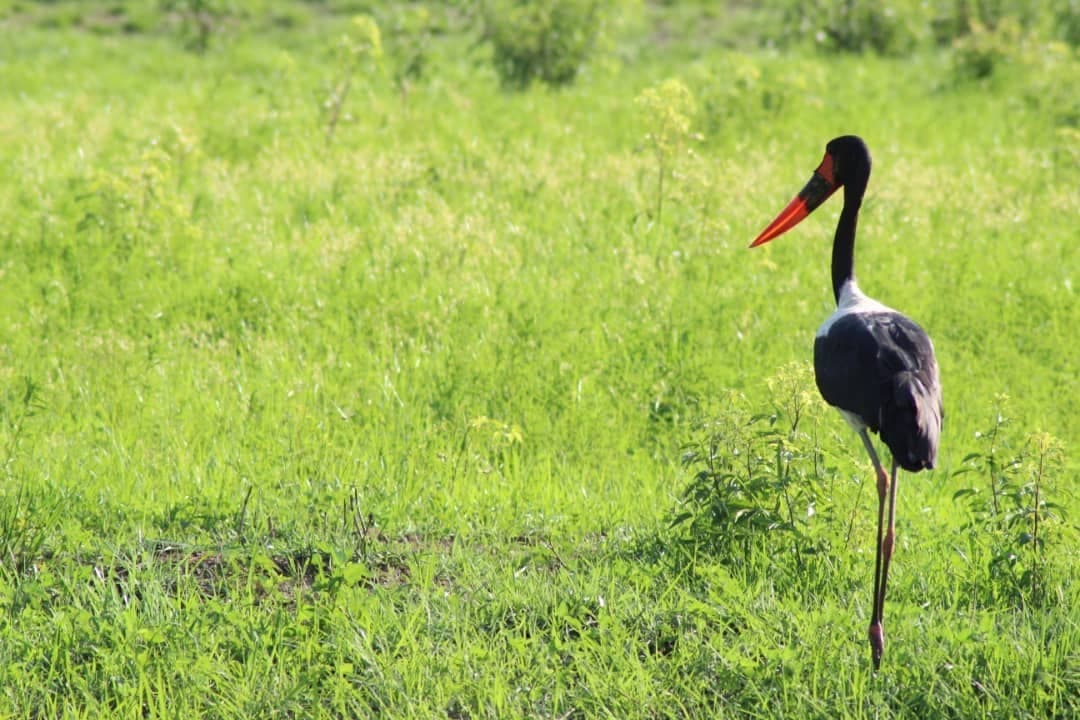
- the stork, in transit over northern savannas;
- the black kite, omnipresent above towns and villages.
Resident species
Sedentary birds offer observation opportunities year-round:
- the laughing dove and coucal, common at forest edges;
- the African jacana, on water lily-covered ponds;
- the weaver, whose colonies suspend their woven nests in trees;
- the egret, black-billed hornbill, and kingfisher;
- the splendid starling with its metallic sheen;
- the black-shouldered kite, blue-bellied roller, lapwing, and collared pratincole;
- the swallow, present in most inhabited landscapes.
When to observe birds?
The most favorable season runs from November to March. During this period, the dry season concentrates birds around permanent water sources, and Palearctic migrants are present. Less dense vegetation facilitates observation.
From April to June, rains refresh habitats and trigger courtship displays in resident species: this is an interesting period for observing breeding behavior, but travel is more challenging in the north.
From July to September, the rainy season makes certain tracks impassable, particularly in Pendjari. The southern wetlands (Nokoué, Mono, Grand-Popo) remain accessible, however.
Practical advice for observation
Equipment
- 8x42 or 10x42 binoculars, essential for forest species;
- Field guide "Birds of Western Africa" (Borrow & Demey);
- Neutral clothing (green, beige), closed-toe shoes, mosquito protection;
- Notebook or identification app (Merlin Bird ID).
In the field
The best observation hours fall between sunrise and 9:30 a.m., then late afternoon. Hiring a local ornithological guide significantly improves the number of identified species: they know the calls and nesting sites. Plan several days on location to explore a single ecosystem in depth.
Main observation sites
- North: Pendjari National Park and buffer zones (the W complex is mainly in Niger and Burkina Faso, but its Beninese portion remains accessible).
- Center: Lama Forest and classified forests, refuges for several threatened forest species.
- South: Sitattugua site, Grand-Popo lagoon, Mono River, Lake Nokoué, and Lake Toho.
Combine with other itinerary highlights
Bird observation pairs well with other Beninese attractions of interest. In the south, a session on Lake Nokoué can flow into a visit to the Door of No Return in Ouidah and a detour to Porto-Novo's grand mosque. The central wetlands naturally extend into a descent of the Ouémé River. In the north, Pendjari's avifauna complements a trek through the Atakora Mountains nicely. For cultural immersion, the Guèlèdè identity celebration remains an ethnographic high point.
Frequently asked questions
Frequently asked questions
The country counts more than 550 recorded species, approximately 130 of which are considered threatened. During a one- to two-week ornithological stay covering south and north, it is realistic to identify between 150 and 250 species depending on the season.
November to March: the dry season concentrates birds around water sources and coincides with the presence of Palearctic migrants.
It is recommended. A local ornithological guide knows the calls, nesting sites, and difficult-to-distinguish species. This multiplies the number of species identified compared to independent observation.
In the south, Lake Nokoué and the Grand-Popo area are accessible from Cotonou in half a day. For the north, Pendjari requires longer logistics but offers remarkable observations, particularly of raptors and savanna birds.
Plan your ornithological journey to Benin
A bird observation trip to Benin is tailor-made based on target species and season. To build an itinerary combining southern wetlands, central forests, and Pendjari savannas, consult our Benin travel suggestions.
Interested in this visit?
We can include it in your personalised itinerary.