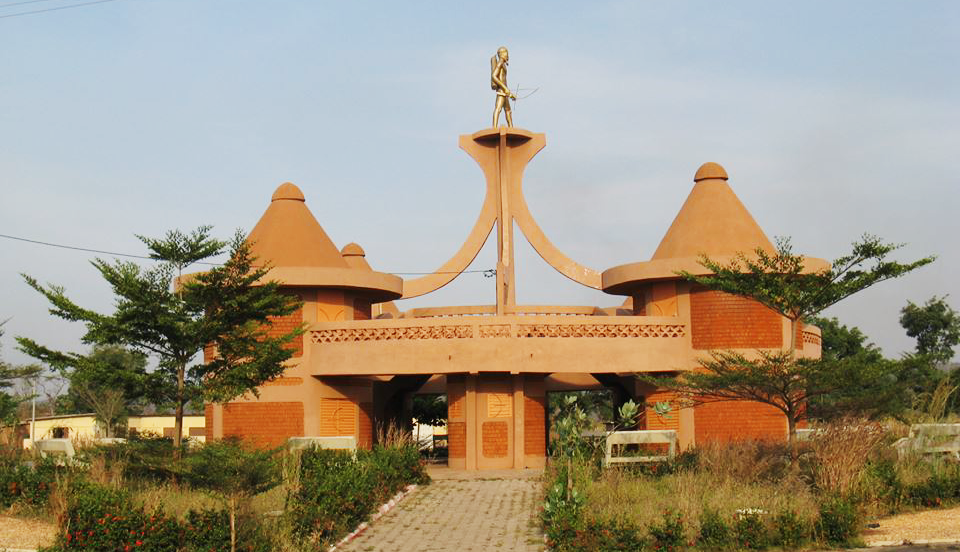
Ethnographic Museum of Porto-Novo
Housed in a colonial palace, the Ethnographic Museum of Porto-Novo brings together Gèlèdé masks, Zangbeto costumes and vodoun objects to document the Yoruba, Goun and Fon cultures of Bénin.
Set within a former Portuguese colonial palace from the early 20th century, the Ethnographic Museum of Porto-Novo preserves one of the most comprehensive collections on the Yoruba, Goun and Fon cultures of Bénin. Masks, Zangbeto costumes, musical instruments, vodoun ritual objects: each room documents a facet of the social and spiritual life of the Porto-Novo kingdom and its neighbours. It serves as a solid entry point to understanding the region before exploring the city itself.
Practical information at a glance
- Admission: paid (modest fee; bring local currency)
- Recommended duration: 1 to 1.5 hours
- Dress code: neat attire recommended; certain ritual objects are sensitive — respect the staff's guidelines
- Language: panels primarily in French
What to see
The museum arranges its collections across several thematic galleries. You'll find Gèlèdé masks recognised as UNESCO Intangible Cultural Heritage, royal dignitaries' vestments, percussion instruments and objects linked to vodoun worship. One section is devoted to the history of the Porto-Novo kingdom and its relations with the neighbouring kingdoms of Abomey and Kétou.
History and context
The building itself stands as testimony to colonial architecture: arcaded façade, interior courtyard, tiles bearing the hallmark of Brazilian-Portuguese influence present in Porto-Novo. The museum was founded in the 1960s, shortly after Dahomey's independence, with the aim of preserving a heritage threatened by rapid modernisation. Several pieces come from donations by local royal families.
Highlights of the visit
The Gèlèdé masks
These carved wooden masks, worn during ceremonies honouring women and ancestors, rank among the collection's finest pieces. Their distinctive style — stylised faces, elaborate headdresses — illustrates the craftsmanship of Yoruba-Nago sculptors from the region.
The Zangbeto costumes
The large straw robes of the Zangbeto, vodoun night warden, occupy a central place. Their presence in a museum allows one to observe their craftsmanship outside the nocturnal and initiatic context of actual ceremonies.
The colonial building
The palace's architecture merits attention in its own right: the interior courtyard, columned galleries and façade details tell the story of exchanges between Bénin, Brazil and Portugal during the 19th century.
Photography tips
Always ask for permission before photographing ritual objects: some are off-limits to photography. The interior courtyard, bathed in light around mid-morning, offers the best setting for photographing the architecture. Inside, lighting is dim — a camera with strong low-light performance is an advantage.
Location and access
The museum stands in downtown Porto-Novo, near the Royal Palace and the Grand Mosque. Porto-Novo is accessible from Cotonou by road (roughly 30 km) via shared taxi or zemidjan. Within the city, zemidjans (motorcycle taxis) are the most convenient way to reach the museum from the transport hub.
Nearby
- Royal Palace of Porto-Novo — residence of the Goun kings, a few minutes' walk away, with a courtyard and dynastic objects.
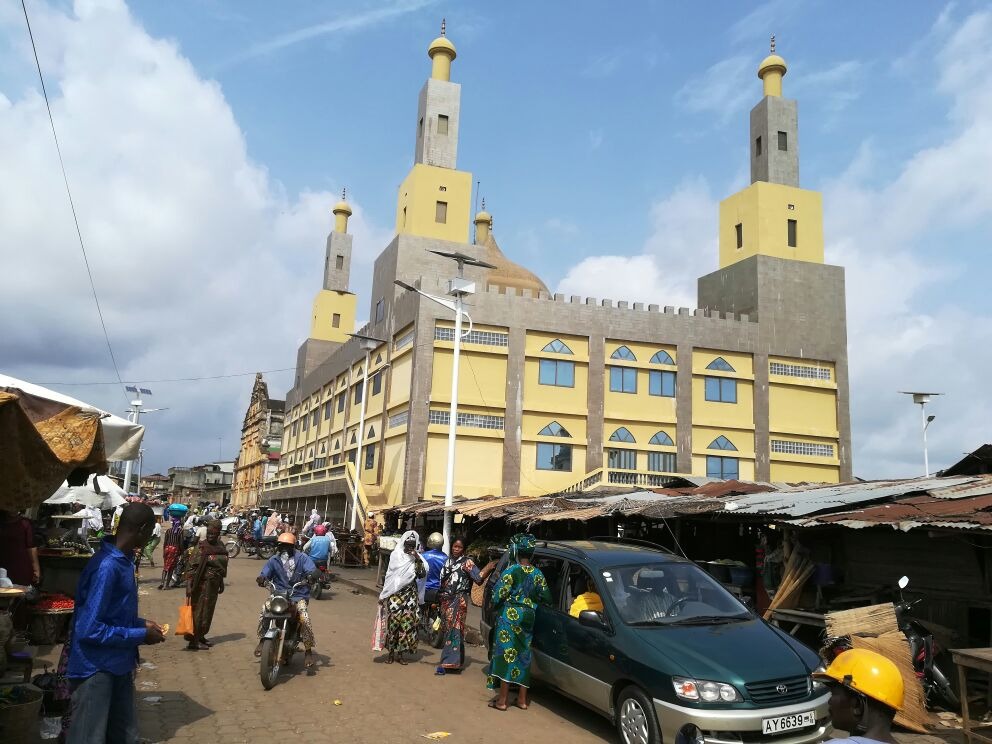
- Grand Mosque of Porto-Novo — Brazilian-Portuguese edifice recognisable by its coloured minarets, a symbol of Afro-Brazilian architecture.
- House of Brazil (Da Silva Museum) — former residence of a returned Brazilian, a showcase of Afro-Brazilian influence on local architecture.
Frequently asked questions
No, visits are on a walk-in basis. It is advisable to arrive in the morning for staff availability and more pleasant light in the courtyard.
Certain ritual objects are off-limits to photography. Always ask the staff for permission before using your camera.
Staff on-site can accompany the visit and explain the pieces. For an in-depth experience, your local agency can arrange an English-speaking specialist guide.
Allow between 1 and 1.5 hours to explore all galleries at a leisurely pace.
Yes. The Royal Palace, Grand Mosque and Da Silva House are all within walking distance or a short zemidjan ride from the museum. Half a day is sufficient to visit these three sites alongside the museum.
Interested in this visit?
We can include it in your personalised itinerary.