Abomey-Calavi
Abomey-Calavi, Benin's second-largest city, stretches along the shores of Lake Nokoué about fifteen kilometers from Cotonou. A bustling market, university campus, and gateway to Ganvié make it a vibrant and practical stop.
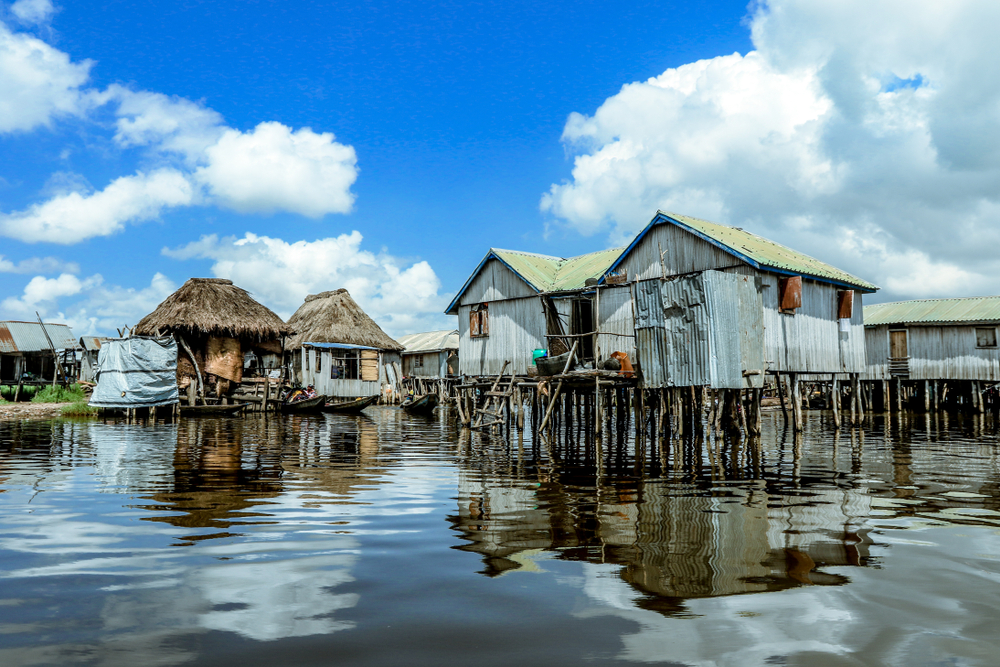
Abomey-Calavi is a city in southern Benin, situated about fifteen kilometers northwest of Cotonou, on the shores of Lake Nokoué. The country's second-largest urban area, it blends vibrant university quarters, traditional lakeside villages, and direct access to the ecosystems of the coastal lagoon. It's also the gateway to Ganvié, the famous stilt village on Lake Nokoué.
Practical information at a glance
- Access from Cotonou: motorcycle taxi (zémidjan) or shared minibus (dandjinou) from central Cotonou; journey of approximately 20-30 minutes depending on traffic.
- Language: French (official), Fon and Goun widely spoken.
- Currency: West African CFA franc (XOF); few ATMs outside main routes.
- Dress code: casual clothing suited to the heat; cover shoulders when visiting places of worship.
What to see
The city revolves around its university (UAC), lively markets, and bustling riverbanks. Abomey-Calavi's dock is the departure point for canoes to Ganvié. Lake Nokoué offers views of fishing nets, bamboo traps, and sunsets over the water. Outlying neighborhoods preserve traditional family compounds and discreet vodoun altars.
History and context
Abomey-Calavi takes its name from the Fon language: Calavi refers to a local tree. The area was historically populated by Tofinu communities, fishermen who settled on the lake to escape slave raids from the Dahomey kingdom. This history explains the presence of Ganvié, founded as a lakeside refuge. The modern city developed rapidly with the establishment of the University of Abomey-Calavi in the 1970s.
The highlights of a visit
The dock and journey to Ganvié
The motorized canoe port is the beating heart of the city on the lake side. Early in the morning, fishermen and traders cross paths before tourists depart for Ganvié. The crossing takes about 30 minutes and passes through traditional fishing areas with acadjas (fish ponds made of branches).
The central market
Abomey-Calavi's main market concentrates wax fabrics, spices, vegetables, and local crafts. It's a good place to observe daily life and purchase pagnes or woven raphia objects at reasonable prices.
The UAC campus
The University of Abomey-Calavi is Benin's largest. Its verdant campus, animated by cafeterias and bookstores, offers a glimpse into Beninese youth and the country's intellectual life.
Photography tips
The golden morning light on Lake Nokoué from the dock offers the best conditions. Always ask permission before photographing people, especially at markets or near vodoun altars. Moving canoes are best captured from the shore with a slightly telephoto lens.
Location and access
Abomey-Calavi is connected to Cotonou by the national road RN1. Zémidjans (motorcycle taxis) are the fastest way for short internal trips. The city is flat and walkable in its central quarters, but the lake shores require a canoe. Accessibility for people with reduced mobility remains limited in lake areas.
Nearby attractions
- Ganvié — stilt village on the lake, accessible by canoe from Abomey-Calavi's dock.
- Cotonou — Benin's economic capital, about fifteen kilometers to the southeast.
- Lake Nokoué — lagoon body of water hosting traditional fisheries and aquatic birds.
- Ouidah — historic city on the Slave Route, about 40 kilometers to the west.
Frequently asked questions
Both. The city has its own attractions—market, campus, lively riverbanks—but it's primarily the essential departure point for reaching Ganvié by canoe.
The dry season, from November to March, offers the most pleasant conditions: moderate heat, clear skies, and calm waters. Avoid the main rainy season (June-July) when roads can be flooded.
Head to the city's main dock. Motorized canoes regularly provide service. Negotiate the price before boarding and bring a hat or sunscreen for the crossing.
It's possible but packed. Plan a half day for Abomey-Calavi and Ganvié in the morning, then head to Ouidah in the afternoon. A private vehicle makes this itinerary much easier.
Respect fishing areas and do not touch fish traps or nets. Ask permission before photographing Ganvié residents or local ceremonies.
Want to discover this destination?
Our local advisors design your tailor-made trip.