NOMADIC CAMP
NOMADIC CAMP
In Zangnanado, in the Zou department, the Foulani camp of Gossoué offers a rare glimpse into the pastoral Peul way of life in southern Bénin.
A Peul camp in the heart of Zou
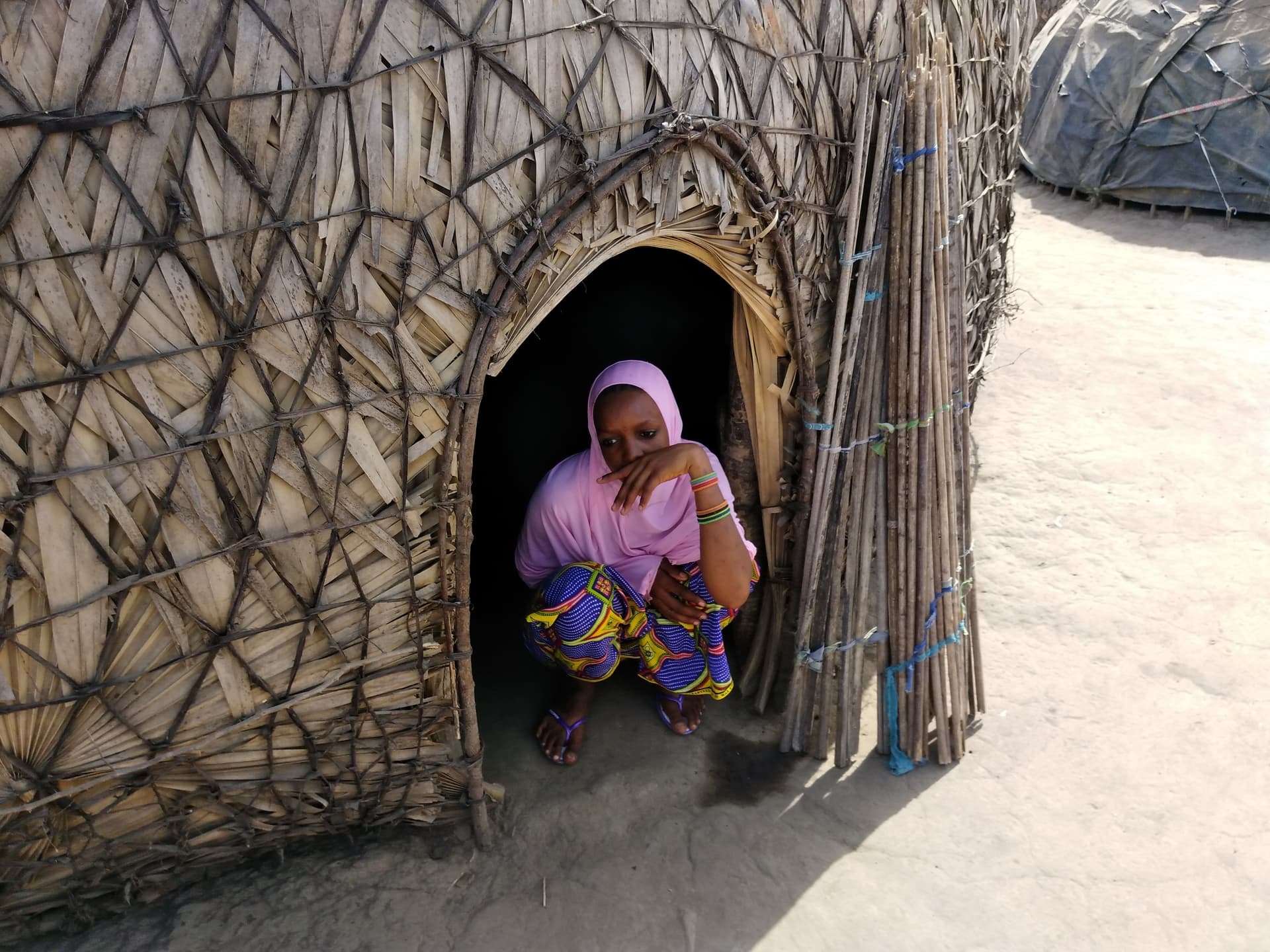
Gossoué is a nomadic camp inhabited by the Foulani, in Zangnanado, in the Zou department, approximately 25 km from the centre of the municipality. On a tree-dotted plain stands a camp barely visible from the track: a few round huts made of bamboo and wood, covered with worked thatch, blending into the bush vegetation. The visit provides access to a pastoral way of life still thriving in southern Bénin, far from the usual circuits between Cotonou, Ouidah and Abomey.
Why visit Gossoué nomadic camp
The term Foulani designates the name the Peul give themselves: it is therefore a Peul community, present from Senegal to Chad, and settled in small groups throughout Bénin. In Gossoué, the inhabitants are mainly cattle and cow herders, in constant search of water sources and pastures for their herds. The camp is erected in the bush, in the heart of forests and savannas, where tradition can continue and where the animals find something to graze.
The interest of the visit is not spectacular: it is ethnographic and human. You observe a social organisation built around livestock, vernacular architecture in local materials, and a language (Fulfulde) very different from the Fon or Yoruba spoken in the surrounding areas. It is a useful complement to a visit to the royal palaces of Abomey or the markets of Zou, which showcase the sedentary Fon culture.
What to see and observe on site
The architecture of the huts
The dwellings are built from bamboo and wood, covered with carefully worked thatch. The hut takes a round shape, erected to protect the entire family from sun, rain and wind. The layout of the camp reflects family organisation: dwelling huts, outdoor kitchen areas, livestock enclosures nearby.
Daily life
The division of labour is gendered and linked to pastoralism. During the day, women remain in the camp: they take care of milking, milk processing, cooking and children. Men are often absent, taking cattle to pastures and water sources, sometimes over long distances. Depending on the time of your visit, you will mainly meet women and children; a local guide can facilitate exchanges and translation.
Livestock and milk
The herd is at the centre of the domestic economy. Fresh milk, curdled milk and cow butter (nunu, kossam according to the regions) are emblematic products of Peul culture, sometimes offered for tasting or purchase at neighbouring markets.
Practical information
- Duration of visit: allow 1 to 2 hours on site, longer if you share a meal.
- Guide: the visit must be done with an English-speaking local guide, who knows the host family and speaks Fulfulde or Fon.
- Etiquette: ask permission before any photos, especially of women and children. A small contribution or a useful gift (tea, sugar, soap) is appreciated.
- Clothing: covered clothing and closed shoes, the bush is home to thorns and insects.
- To bring: water, sun protection, mosquito repellent.
How to get there
Zangnanado is located in the Zou department, approximately 130 km north of Cotonou and about fifty kilometres east of Abomey. Gossoué camp is about 25 km from the municipal capital, in the bush, on poorly marked tracks. Access is by 4x4 vehicle or motorbike taxi (zémidjan) depending on the condition of the tracks, and is not possible without local accompaniment. Most travellers come here as part of an organised circuit combining Abomey, Bohicon and the Ouémé valley.
When to go
The dry season, from November to February, remains the most comfortable period: passable tracks, manageable temperatures, herds concentrated around permanent water sources. Avoid the height of the rainy season (June-July and September-October), when some tracks become difficult. The Harmattan, in December-January, brings a dry and dusty atmosphere but facilitates travel.
What to combine in the region
The visit fits well into a central Bénin itinerary focused on cultural diversity:
- The royal palaces of Adjarra and its craft markets for the sedentary culture of the south.
- The Songhaï Centre in Porto-Novo to understand integrated Beninese agriculture.
- The Egungun dance for another facet of living traditions.
- Further north, the Atakora mountains and the Tanougou waterfalls extend your discovery of Bénin's landscapes and peoples.
Prepare your trip
To include a visit to Gossoué Foulani camp in a bespoke circuit in Bénin, consult our trips to Bénin and discuss with our destination specialists.
Interested in this visit?
We can include it in your personalised itinerary.