Python Temple of Ouidah
Python Temple of Ouidah
In the heart of Ouidah, the Python Temple houses dozens of sacred royal pythons, venerated since the 17th century. A living place of voodoo worship, far more than a tourist attraction.
In the heart of Ouidah, spiritual capital of Beninese voodoo, the Python Temple shelters dozens of royal pythons (Python regius) regarded as sacred. This active place of worship, managed by voodoo priests, stands among the most singular sites in West Africa. The serpents move freely within the temple grounds, and visitors can hold one—a contact ritually charged with meaning.
Practical information at a glance
- Admission: paid entry (entrance fee plus contribution to hold a python)
- Recommended duration: 30 to 45 minutes
- Attire: no strict dress code, but respect for the place of worship is expected
- Photography: generally permitted in exchange for an additional contribution
What you'll see
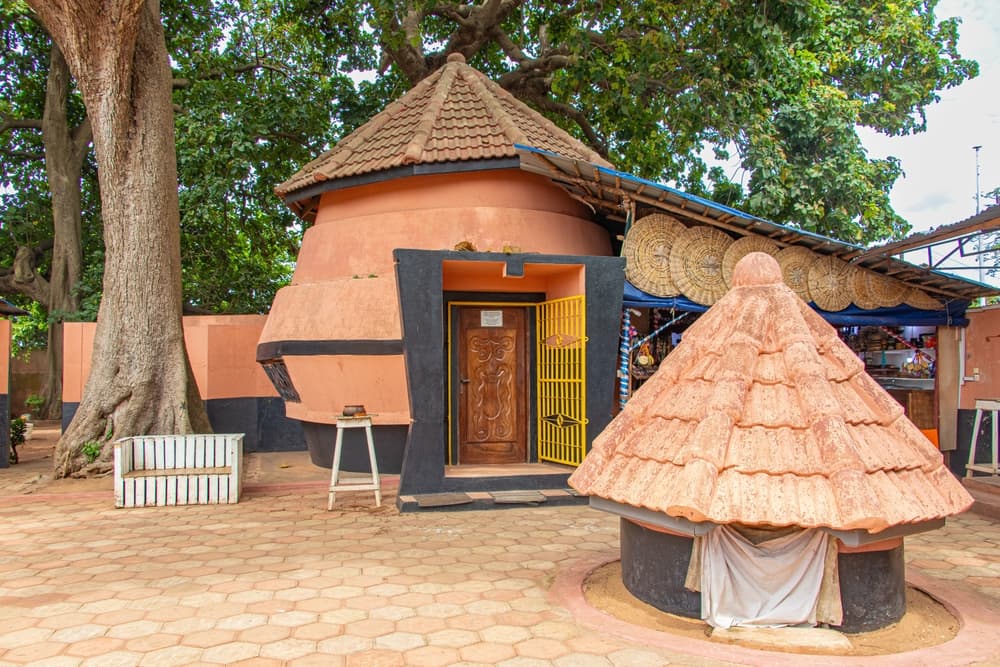
The temple grounds consist of a modest inner courtyard, painted with voodoo motifs. Dozens of royal pythons move freely or coil in shadowy corners. A priest or local guide explains the python's role in voodoo cosmology: protective animal, messenger of the gods, symbol of fertility and continuity.
Visitors can hold a python under the supervision of the temple keeper. The experience is calm—royal pythons are non-venomous and rarely aggressive.
History and context
The cult of the python in Ouidah dates back to the 17th century. According to tradition, sacred pythons once helped the Fon people repel an enemy invasion. In gratitude, King Kpasse is said to have founded this temple. Since then, the python has been venerated as a guardian deity of the city.
Ouidah was also one of the principal ports of the slave trade. Voodoo, born here, spread to the Americas with deported slaves—giving rise to Haitian vodou and Brazilian candomblé.
Highlights of your visit
Contact with the pythons
Holding a royal python is the central experience. The keeper places the animal around your shoulders or in your hands. The gesture carries ritual significance: touching the sacred serpent is believed to bring good fortune and protection.
Murals and altars
The temple walls are adorned with representations of Dan, the serpent-deity of the voodoo pantheon. These naive and colorful frescoes document a living, unmuseified religious iconography.
The atmosphere of the neighborhood
The temple sits in a lively residential quarter. Surrounding it are market vendors, children, and the faithful—the ordinary life of Ouidah coexists with the sacred, without theatrical staging.
Etiquette and visiting rules
- Adopt respectful behavior: this is an active place of worship, not a zoo.
- Do not touch the pythons without the keeper's consent and supervision.
- Always ask before photographing priests or ongoing ceremonies.
- Avoid sudden gestures or loud noises within the temple grounds.
Photography tips
Natural light in the courtyard is best in the morning, before the sun reaches its peak. Close-ups of python scales and mural details yield the strongest images. Budget for a contribution to photograph—refusing to pay while photographing is poorly regarded.
Location and access
The temple is located in central Ouidah, a short walk from Chacha Square and the Saint-Michel Cathedral. Ouidah is accessible from Cotonou via the coastal road (approximately 40 km). Motorcycle taxis (zémidjans) and shared taxis regularly connect the two cities. The temple is easily reached on foot from most points in the city center.
In the surrounding area
- The Slaves' Road — a historic 4 km axis leading to the Gate of No Return on the beach.
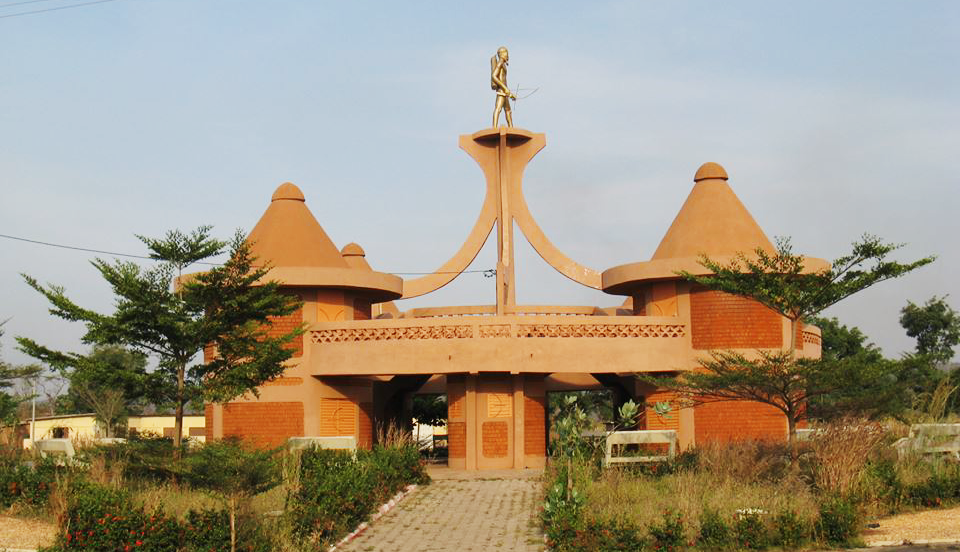
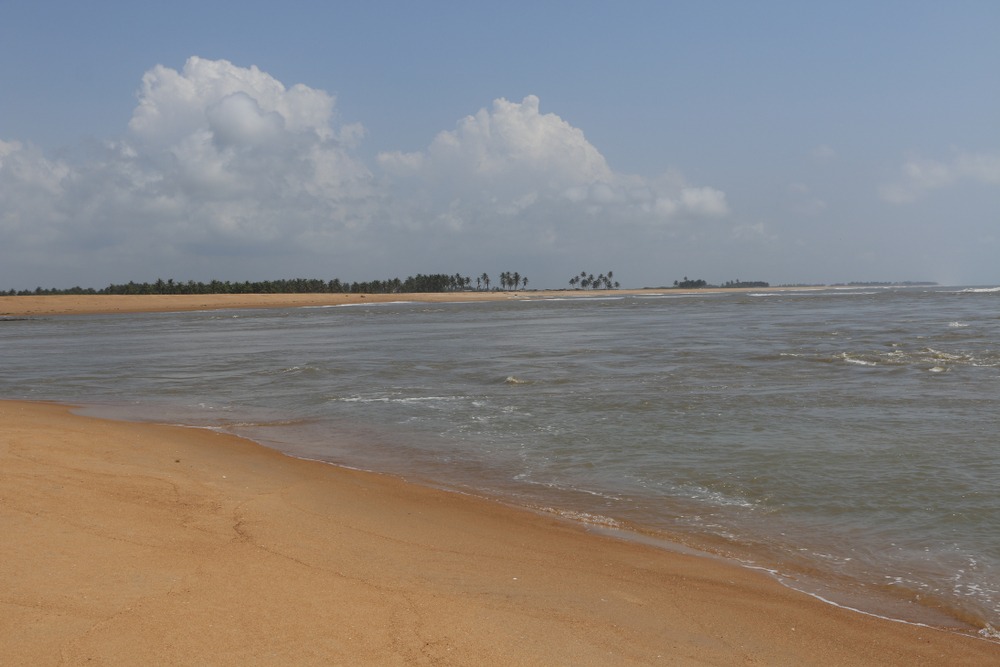
- The Gate of No Return — a commemorative monument erected on Ouidah's beach, where enslaved people embarked.
- The Ouidah History Museum — housed in the former Portuguese fort, it traces the slave trade and the city's history.
- The Sacred Forest of Kpassè — a wooded area housing voodoo statues and centuries-old trees, steps from the center.
Frequently asked questions
Yes, the temple is open continuously. The busiest period is January 10, during the National Voodoo Festival, when Ouidah hosts large-scale ceremonies and processions.
The royal pythons present in the temple are non-venomous and generally docile. They pose no danger to visitors who follow the keeper's instructions.
No specific attire is mandatory, but a respectful demeanor is expected. Avoid overly flashy or provocative clothing in this active place of worship.
Easily. The temple, the Sacred Forest of Kpassè, the History Museum, and the Slaves' Road are all accessible on foot or by zemidjan within the same half-day.
Generally yes, in exchange for a contribution to the keeper. Always ask permission before photographing priests or ongoing ceremonies.

Interested in this visit?
We can include it in your personalised itinerary.