Bouche du Roy
Bouche du Roy
At the mouth of the Mono River, near Grand Popo, Bouche du Roy combines a spectacular estuary, protected mangroves, and the memory of the Atlantic slave trade.
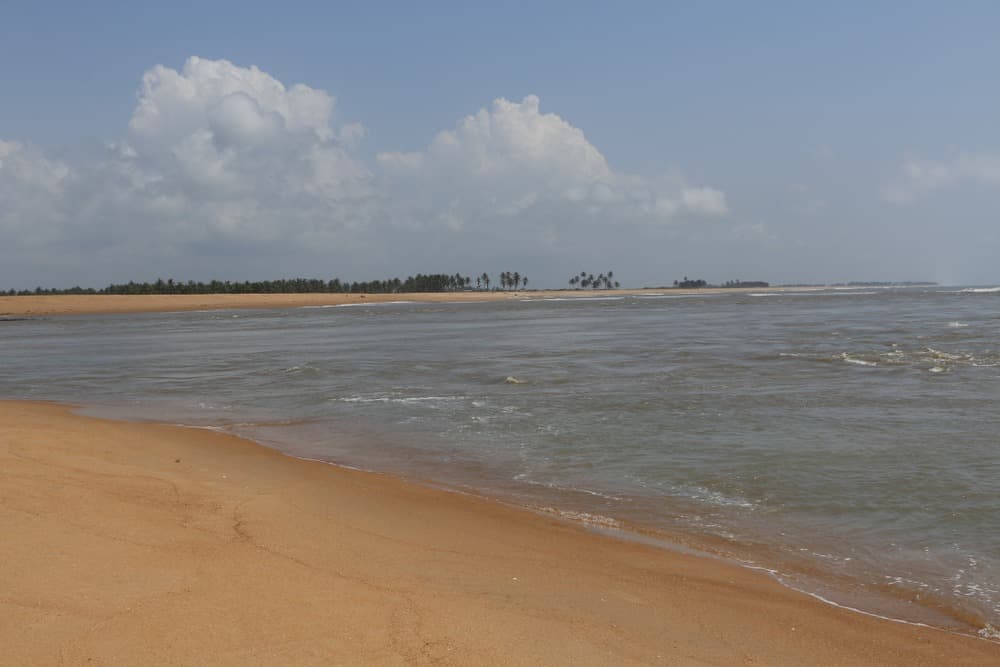
Bouche du Roy designates the mouth of the Mono River, where its waters meet the Atlantic Ocean in south-western Benin, at the Togolese border. The site is located about twenty kilometres from Grand Popo and forms the heart of the Mono Biosphere Reserve, a space of mangroves, lagoons and sandy ridges listed by UNESCO.
Why visit Bouche du Roy
The site combines three interests rarely found together in a single Beninese location: a spectacular estuary landscape where the river and ocean meet, a fauna of birds and aquatic mammals observable by pirogue, and a historical memory tied to the Dahomey kingdom and the Atlantic slave trade. The visit takes place over a half-day or full day, within a community ecotourism framework driven by riverside villages.
History and origin of the name
The name "Bouche du Roy" refers to the era when the mouth of the Mono served as a passage point for European ships engaged in trade with coastal kingdoms, particularly the kingdom of Dahomey. It was through this estuary that goods and, during the slave trade period, captives were transported to the Americas. The site retains a strong memorial dimension today, complementing the better-known one at Ouidah.
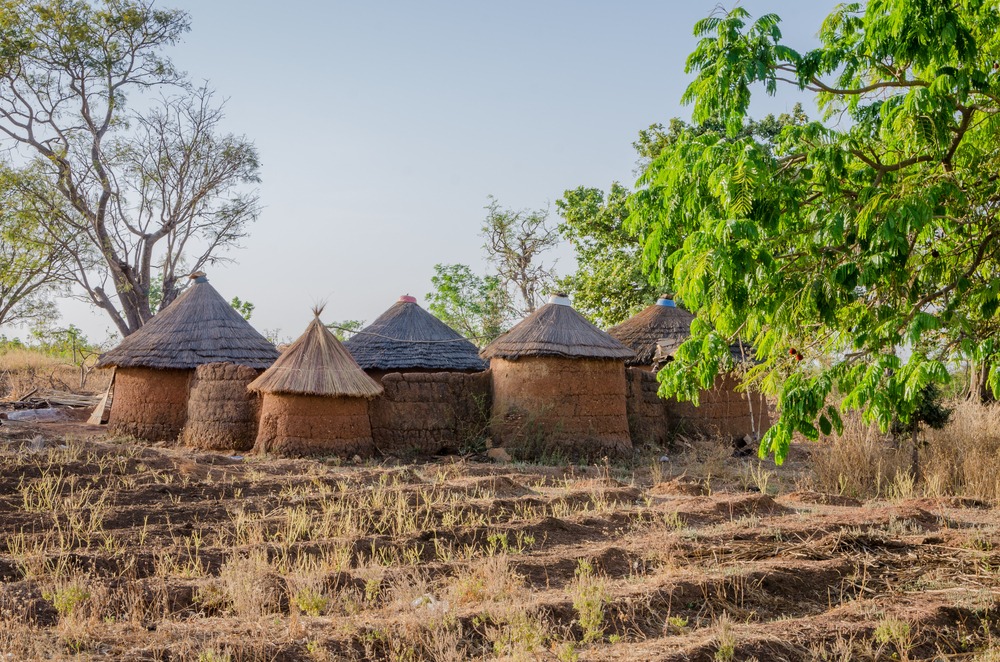
The lands surrounding Bouche du Roy have long been inhabited by several groups: Adja, Ewe, Mina, Ouatchi, Xwla and Xwéda. These communities live from fishing, salt production, agriculture and crafts, and their villages can be visited as part of guided tours.
What to see and do
The Mono Biosphere Reserve
The reserve extends over approximately 320,000 hectares and combines mangroves, swamp forests, humid savannas, lagoons and river islands. Among iconic species are the West African manatee (rare and threatened), red monkeys, crocodiles, as well as numerous water birds: heron, pelican, flamingo, kingfisher. The diversity of habitats explains the site's ornithological richness.
The estuary and pirogue rides
The most meaningful way to understand the place is to take a pirogue trip from Grand Popo or from one of the embarkation villages. The journey crosses the lagoon, follows the sandbanks and reaches the point where the Mono meets the ocean. The contrast of colours between the two water masses is visible to the naked eye. Allow 2 to 4 hours depending on the route.
Biking, kayaking and villages
Several operators offer cycling routes on trails between the lagoon and ocean, as well as kayak descents. Stops in villages allow you to see traditional salt production, fish smoking and the daily life of fishing communities. The long beach, lined with coconut palms, is suitable for walks; swimming should be approached with caution due to Atlantic currents.
When to go
The climate is tropical, divided between a dry season from November to April and a wet season from May to October. The dry season, with an average temperature around 27°C, offers the best conditions for boating and bird watching. The end of the wet season remains possible but trails can be waterlogged and pirogue trips are sometimes suspended during heavy rains.
Practical information
- Duration of visit: a half-day for the pirogue trip, a full day if you combine cycling, beach and villages.
- Guidance: it is recommended to go through a local guide or an ecotourism association, several of which are based in Grand Popo.
- Accommodation: Grand Popo has lodges, ecolodges and guesthouses. Camping on sandy spits is practised only in an organised setting.
- To bring: sunscreen, water, closed-toe shoes for the mangrove, insect repellent in the wet season.
How to get there
From Cotonou, allow approximately 3 hours drive to Grand Popo via the coastal road, by bus, shared taxi or private vehicle. From Grand Popo, access to embarkation points is by motorbike taxi or car. From Lomé (Togo), the journey is shorter but involves crossing the border at Hilla-Condji, to be planned during daylight hours and with a passport.
See in the region
Bouche du Roy fits naturally into a wider southern Benin itinerary:
- Adjarra and its traditional market, east of Cotonou.
- Songhaï Centre in Porto-Novo, dedicated to sustainable agriculture.
- Tanougou waterfalls and Atakora mountains to extend northwards.
- Batia, gateway to Pendjari park.
Frequently asked questions
Frequently asked questions
It refers to the mouth of the Mono used in the colonial era and during the Atlantic slave trade as a passage point between coastal kingdoms, including Dahomey, and European ships.
A pirogue trip lasts 2 to 4 hours. By combining villages, beach and cycling, allow a full day from Grand Popo.
The beach is beautiful but the ocean has strong currents characteristic of the Gulf of Guinea coast. Swimming requires caution and is at your own risk, with no lifeguard station.
The dry season, from November to April, offers the most favourable conditions for boating, bird watching and cycling.
Yes, the site is extensive and access to embarkation points as well as reading the landscapes are best done with a local guide or through an ecotourism association based in Grand Popo.
Prepare your trip to Benin
Bouche du Roy fits naturally into a coastal circuit connecting Cotonou, Ouidah, Grand Popo and Adja country. To build your itinerary, consult our trips to Benin.
Interested in this visit?
We can include it in your personalised itinerary.