Ouémé Department
Ouémé department, in southeastern Bénin, brings together the national capital Porto-Novo, its namesake river and a rich historical heritage spanning Gun and Yoruba kingdoms and colonial legacy.
Ouémé is one of Bénin's twelve departments, located in the country's southeast. It takes its name from the Ouémé River, Bénin's longest waterway, which flows through it from north to south. Its administrative capital is Porto-Novo, also Bénin's national capital. The department is marked by high population density, ancient political history, and landscapes of alluvial plains and lagoons characteristic of Bénin's coastline.
What to see
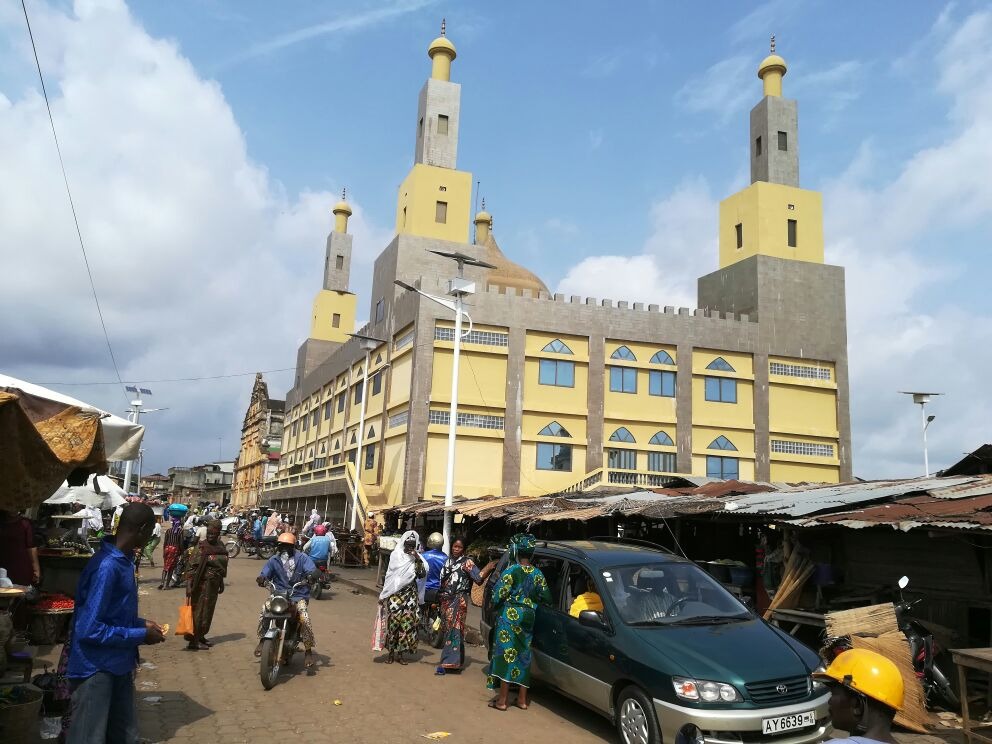
Ouémé offers a blend of urban heritage and river landscapes. Porto-Novo, a royal and colonial city, is home to museums, royal palaces and Brazilian-style architecture inherited from former enslaved people who returned. The Ouémé River and its tributaries structure wetland areas inhabited by fishermen practicing traditional techniques. Local markets reflect the commercial vitality of this densely populated region.
History and context
Ouémé territory corresponds to the former kingdom of Porto-Novo (Hogbonou), founded by princes from the Kingdom of Allada. This kingdom maintained complex relations with neighbouring Dahomey and European colonial powers, notably France, which it accepted as a protectorate in 1863. This history explains Porto-Novo's rich heritage and the department's cultural diversity, shaped by Gun, Yoruba and Fon peoples.
Highlights of the visit
Porto-Novo, royal and colonial capital
The city is home to the Porto-Novo Ethnographic Museum, the da Silva Museum dedicated to the Afro-Brazilian community, and several royal palaces. The city's architecture blends French colonial buildings with Brazilian-style houses, testifying to transatlantic migrations.
The Ouémé River and its banks
The Ouémé River is navigable over much of its course through the department. The banks are dotted with fishing villages and market garden areas during the dry season. A pirogue excursion allows you to observe river life and the birdlife of wetland areas.
Markets and crafts
Markets in Porto-Novo and secondary towns in the department offer fabrics, pottery and voodoo artefacts. Local craftsmanship reflects the Gun and Yoruba influences characteristic of this region bordering Nigeria.
Photography tips
Morning light is ideal for photographing the banks of the Ouémé River and fishermen's pirogues. In Porto-Novo, colonial and Brazilian facades are best rendered in raking light, early morning or late afternoon. Always ask permission before photographing people at markets or during ceremonies.
Location and access
Ouémé department is accessible from Cotonou, some thirty kilometers from Porto-Novo by national road. Minibuses and shared taxis regularly connect the two cities. Porto-Novo has a central bus station. A network of tracks allows access to rural communes in the department, though some roads become difficult during the rainy season.
Nearby
- Cotonou — Bénin's economic capital and main entry point to the country, some thirty kilometers to the west.
- Porto-Novo — The national capital, historical and cultural heart of Ouémé department.
- Nokoué Lake — A vast coastal lagoon between Cotonou and Porto-Novo, known for the lake village of Ganvié.
- Ganvié — Village built on stilts in the middle of Nokoué Lake, one of Bénin's most visited sites.
Frequently asked questions
The dry season, from November to March, offers the best conditions for travel and navigation on the river. Rains from June to September can make some rural tracks difficult to access.
Minibuses and shared taxis regularly depart Cotonou for Porto-Novo. The journey takes about an hour depending on traffic. Motorcycle taxis (zémidjans) also operate between the two cities.
Yes, pirogue excursions are possible from several riverside villages. It's advisable to contact a local guide to organize the outing and identify the best departure points depending on the season.
When visiting royal palaces or voodoo sites, it's recommended to check with your guide about accessible areas and any photography restrictions. Respectful dress is advised.
Yes. Ganvié and Nokoué Lake lie between Cotonou and Porto-Novo. You can visit Ganvié in the morning from Cotonou, then move on to Porto-Novo in the afternoon to explore Ouémé's heritage.
Want to discover this destination?
Our local advisors design your tailor-made trip.