Ouidah
Ouidah
A memorial city to the slave trade and the capital of Beninese voodoo, Ouidah blends the Slave Route, living temples and contemporary African art.
Ouidah is recognized as a former center for the sale and embarkation of enslaved people. This place has now become the preferred historic city among visitors. The city has successfully preserved unforgettable remnants of the slave trade while maintaining its voodoo worship traditions. In this respect, Ouidah remains an attractive destination offering a multitude of sites and activities for lovers of African Black culture.
In the past, the city of Ouidah, known as the "Portuguese Fort," endured a profoundly painful history. Indeed, the city was founded in 1721 as a fort. It was led by a Portuguese dignitary, the yavoghan (white chief) João Baptista de Ajudá. It is difficult to believe that in those distant times, Ouidah served as one of the suppliers of enslaved people to Western countries around the world. However, the responsibility of managing and guaranteeing the slave market in this place was entrusted to João Baptista by order of the King of Portugal. Consequently, the white chief managed all commercial relations between the Kingdom of Abomey and European slave merchants. After years of slave trafficking, millions of Black Africans were exiled through the slave trade. An arrangement made between the kings of Abomey and Western entities: the Americas, Portugal, Denmark, France, and others. Strategically, the fort was heavily isolated from the Kingdom of Abomey (present-day Bénin) solely to guarantee the Portuguese king's monopoly. A few years later, under the authority of King Agadja (the 5th king of Abomey), the slave trade became an imposed duty of the Portuguese king. The city of Ouidah was thus created in agony that lasted at least a century. Some populations remain in discord with other ethnic groups in the country, solely because of the conspiracy organized by the kings of Abomey.
Known as the former Portuguese fort, Ouidah is gaining popularity today thanks to the remnants left by slave traders. All Western forts (Danish, French, Portuguese) and the slave enclosure of the English trading post are still present today. Although Ouidah is burdened by a tragic past, this history ranks it among the richest Beninese cities in terms of historical narratives. These unfortunate stories have greatly awakened the curiosity of tourists from around the world. As a result, many tourists visit each year to discover the traces left by slave merchants. Beyond the city's melancholic history, Ouidah is also recognized for its magnificent historical monuments such as: the Python Temple, the Fondation Zinsou contemporary art museum, the Kpassè Sacred Forest, and the Slave Route.
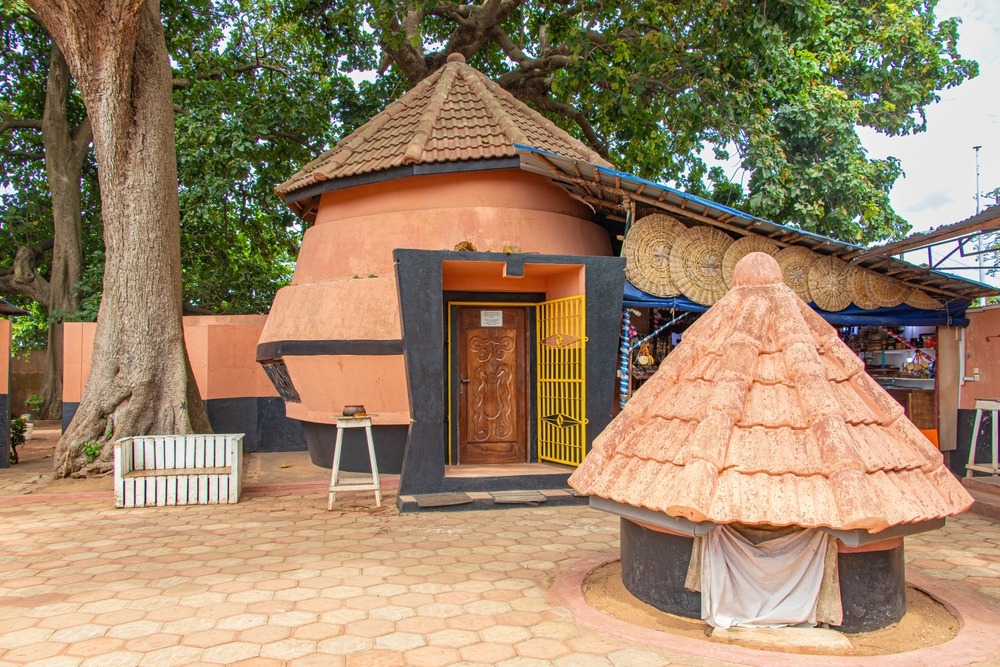
For lovers of African Black culture, Ouidah is an ideal choice as a destination. Immerse yourself in the heart of voodoo religion with a brief escape to the Python Temple. Indeed, it is a sacred place for voodoo practitioners and is considered the flagship monument of the city. According to legend, there was once a king who preferred to live in Glexué (house of the fields). He benefited from the presence of a python, which consequently preserved his plantation by eating the rodents found in the surrounding areas. Since then, the python has become both the symbol and protective animal of the city. This is why inhabitants dedicate a ritual to it every five days by invoking its divinity.
After visiting the Python Temple, head straight to the Fondation Zinsou contemporary art museum. The place to discover the sociocultural works of the city. Indeed, this contemporary art gallery is particularly dedicated to African Black culture. Its efforts focus on the artistic, cultural, and social works of the Black race. Here, you will discover a concentration of works by African artists such as: Cyprien Tokoudagba, George Lilanga, Frédéric Bruly-Bouabré, Samuel Fosso, and others.
Beyond this contemporary art museum, there is also the Kpassè Sacred Forest, one of Bénin's best-preserved heritage sites. According to voodoo practitioners, this place holds many mysteries and legends about King Kpassè. The story tells that he reincarnated as an enchanted tree just after his death. Since then, the landscape has attracted countless curious visitors.
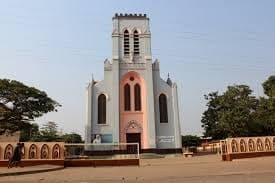
If you are a passionate admirer of architecture and the Roman Catholic apostolic faith, be sure to visit the Basilica of the Immaculate Conception. Certainly, it is the first Catholic sanctuary in Ouidah. It was built in 1903 at the initiative of French Monsignor Louis Dartois. Complete your journey by walking the Slave Route, which retraces the path of enslaved people before boarding at the Gate of No Return.
From a general perspective, Ouidah's climate is typically tropical. Most of the time, the city's temperatures are pleasant. Average temperatures range from 28°C in July to 32°C in February. Regarding sea temperatures, they are quite pleasant, varying between 24°C and 29°C. The best conditions for traveling there are in the first three months (January, February, March) or in the last two months (November, December).
To get to Ouidah, the ideal option is to take a taxi-brousse, a very popular means of transportation among locals. However, for travelers coming from outside Africa (Western countries), it is best to fly to Cotonou. From Cotonou, they can comfortably take a taxi-brousse heading directly to the city.
Ouidah is indeed a small city compared to other major Beninese cities. As a result, getting around the city is not too problematic. To visit tourist sites, you can opt for a taxi, a bus, or a motorcycle (Zém in local language). Or you can rent a car to make yourself even more comfortable—the choice is yours.
- Visit the Python Temple, a sanctuary dedicated to voodoo religion
- Explore the Fondation Zinsou sociocultural contemporary art museum
- Take an excursion to the Kpassè Sacred Forest
- View the "Gate of No Return" monument
- Discover the magnificent architecture of the Basilica of the Immaculate Conception
Attractions in Ouidah
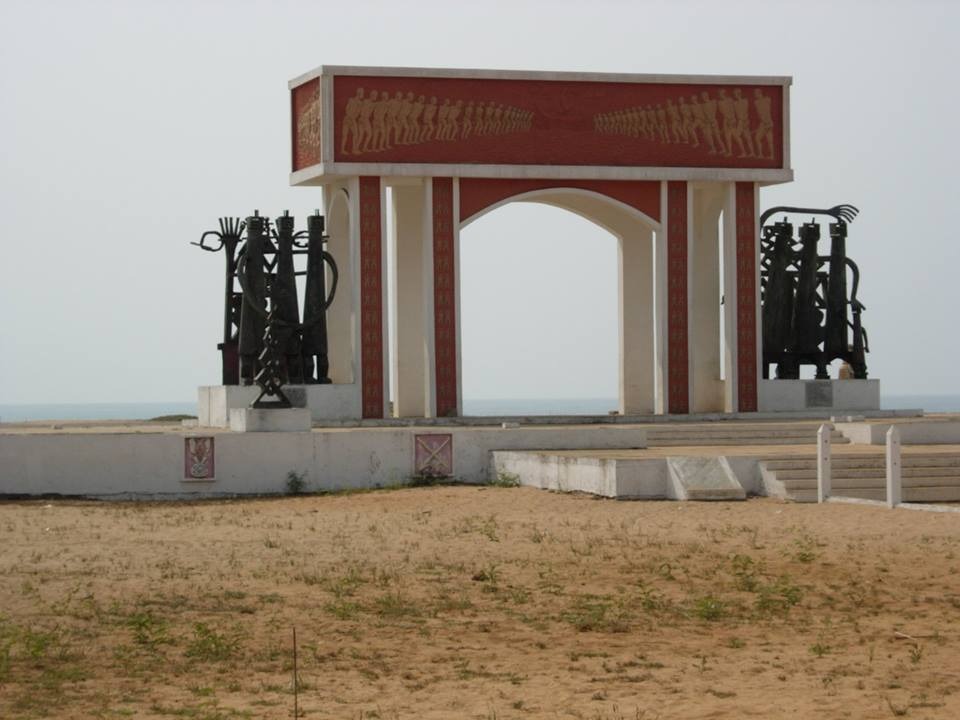
LA PORTE DU NON RETOUR
Sur la plage de Ouidah, l'arche de la Porte du Non-Retour marque le point d'embarquement des captifs déportés vers les Amériques. Mémorial de la traite atlantique.
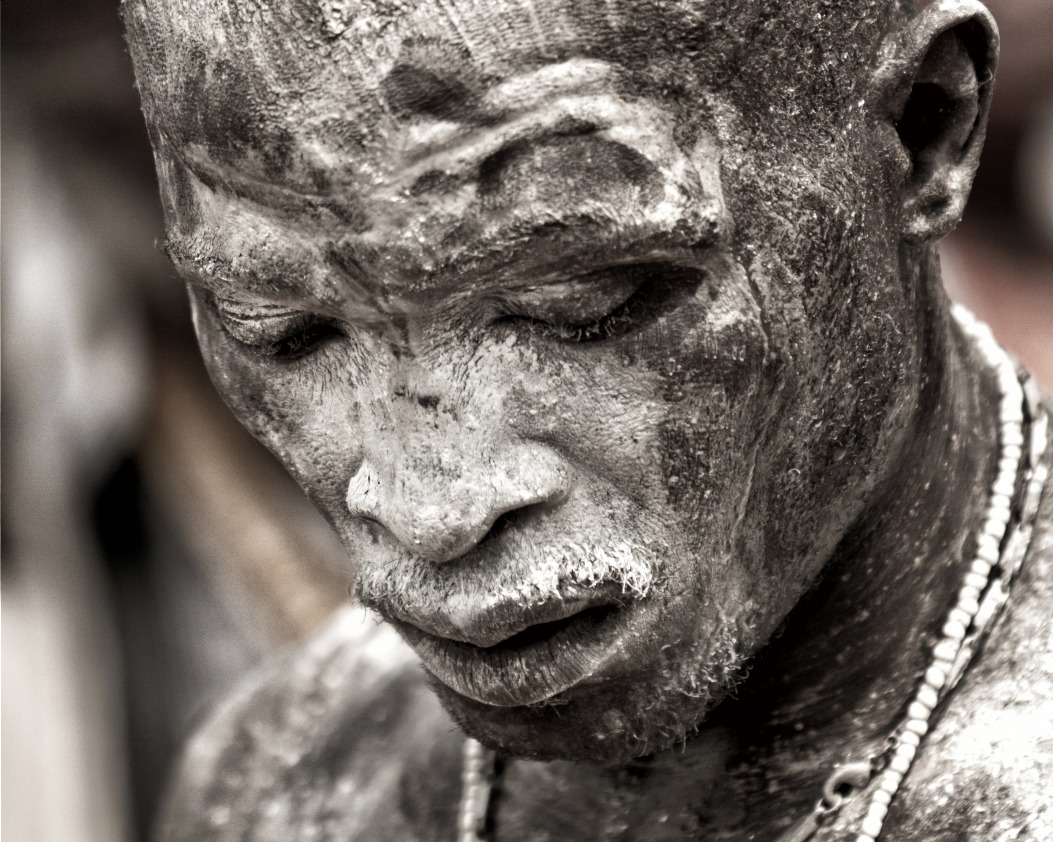
La Route des Esclaves
Sur 4 km à Ouidah, la Route des Esclaves jalonne en six étapes le parcours des captifs déportés depuis le golfe de Guinée, de la place Chacha à la Porte du non-retour.
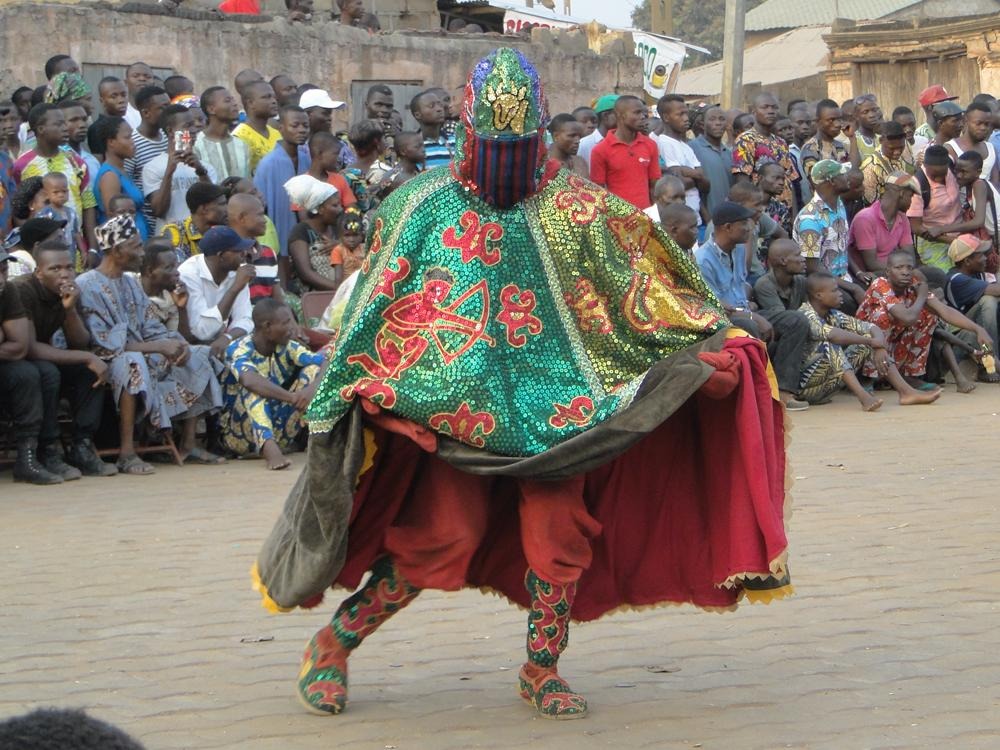
DANSE EGUNGUN
Cérémonie sacrée des masques-revenants yoruba, la danse Egungun se pratique à Ouidah, capitale du vodoun béninois. Origines, rituels et conseils pour y assister.
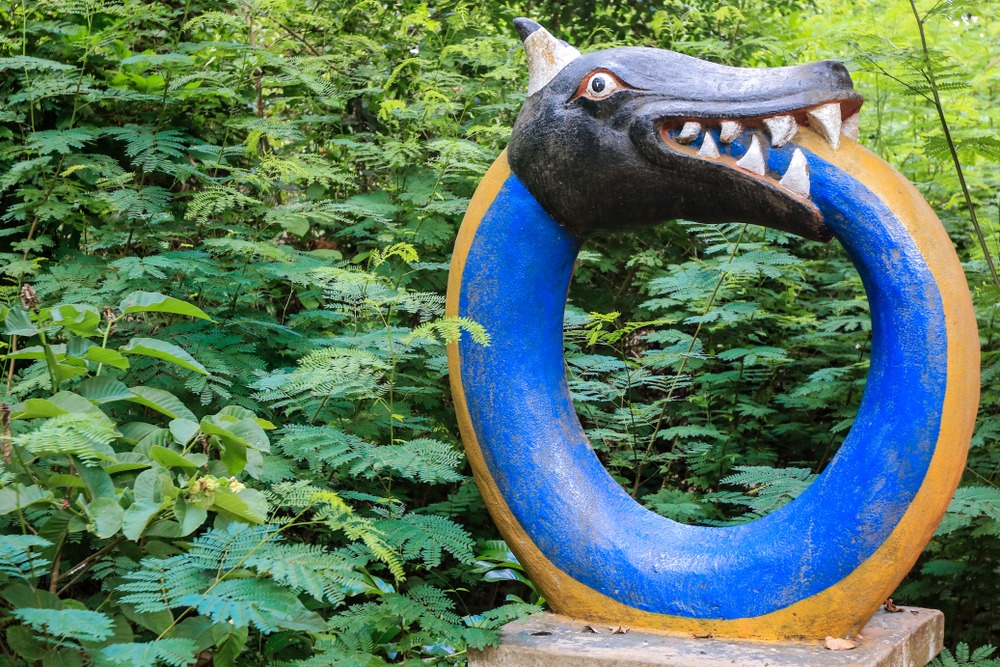
La forêt sacrée Kpassè Zoun
À Ouidah, la forêt sacrée Kpassè Zoun raconte la légende du roi Kpassè et abrite les sanctuaires des divinités du panthéon vodoun.
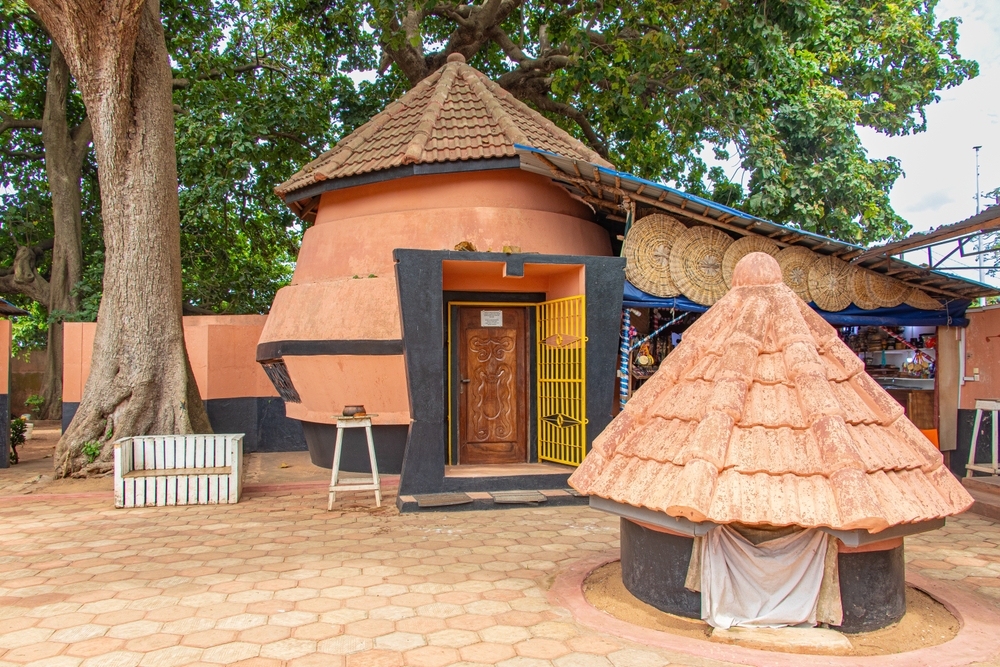
Temple des Pythons de Ouidah
Au centre de Ouidah, le Temple des Pythons abrite des dizaines de pythons royaux sacrés, vénérés depuis le XVIIe siècle. Un lieu de culte vaudou vivant, à ne pas réduire à une attraction.
Want to discover this destination?
Our local advisors design your tailor-made trip.