Coast and Lagoons
125 km of Atlantic coastline between Cotonou and Grand-Popo, where vodoun is practiced daily and where the Slave Route of Ouidah descends to the ocean.
Benin's coastline stretches 125 kilometers between the Hilakondji border post to the west and Kraké toward Nigeria to the east. This narrow strip, never more than a few kilometers wide, runs parallel to a string of lagoons: Nokoué, Ouémé, Aheme, Mono. It is a geography of water and sand, where roads wind through coconut groves, where pirogues often replace cars, and where fishing villages succeed one another between Cotonou and the Togolese border.
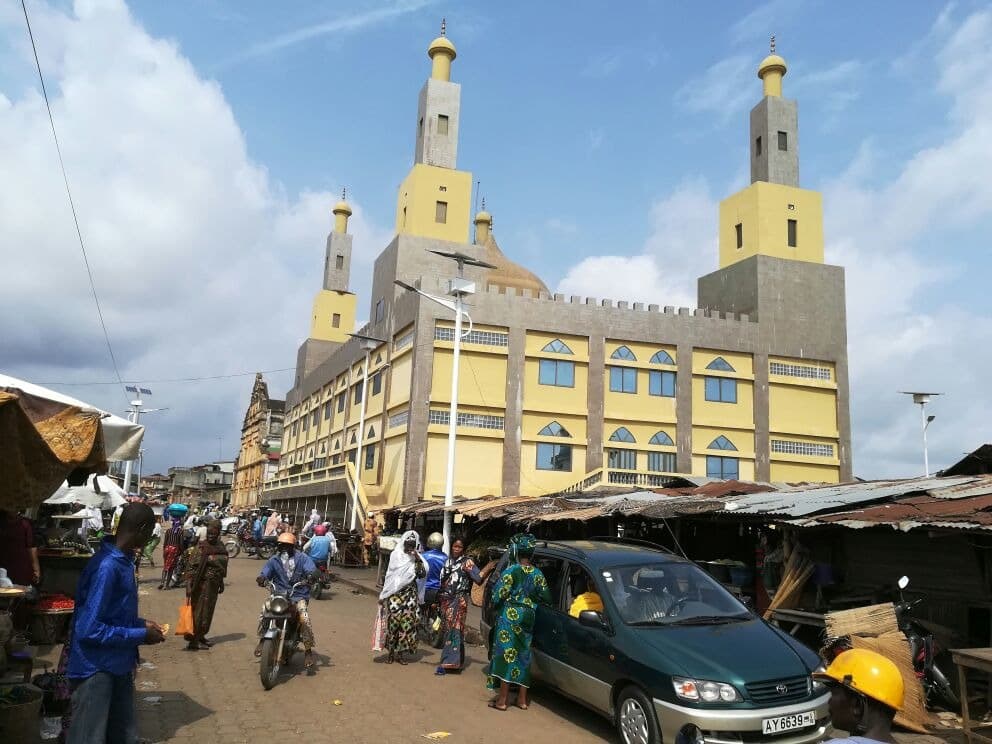
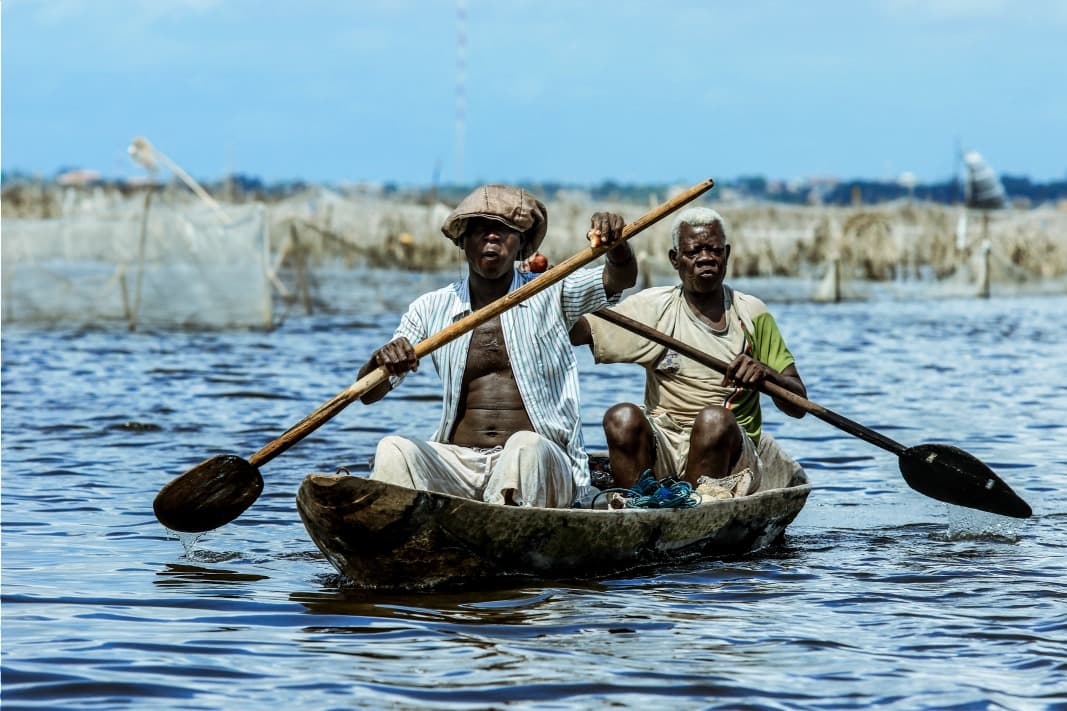
Cotonou, the economic capital perched on the sandy barrier between the ocean and Lake Nokoué, concentrates 700,000 inhabitants and the country's only international airport. Dantokpa market, spread across 20 hectares along the lagoon, remains West Africa's largest: here you'll find smoked fish from Nokoué, wax fabrics imported from Lomé, vodoun fetishes and spare parts for zems—the yellow motorcycle taxis that define the urban landscape. Thirty minutes by motorized pirogue from the Abomey-Calavi dock, Ganvié lines its stilt houses above 3 meters of water. The village was founded in the 17th century by the Tofinu fleeing the slave raids of the Kingdom of Dahomey, which could not fight on water for ritual reasons. Its 30,000 inhabitants still live today from fishing acadjas—fish parks made of submerged branches.
Ouidah, 42 kilometers west of Cotonou, was one of the Gulf of Guinea's principal slave ports between 1670 and 1860. More than one million Africans were shipped from here to the Americas. The Slave Route descends 4 kilometers from the old auction square to the Gate of No Return, a concrete monument erected on the beach in 1995. Along the way, you pass the Tree of Forgetting, the Tree of Return, and the Zoumai Memorial. The Portuguese Fort, now a Museum of History, preserves maps, chains, and records of the trade. Ouidah is also the spiritual capital of Beninese vodoun: the Temple of Pythons, across from the Catholic basilica, houses about fifty royal pythons that the faithful come to honor. On January 10, the national Vodoun Festival brings dignitaries from across the country and Afro-Brazilian descendants from Bahia to the beach.
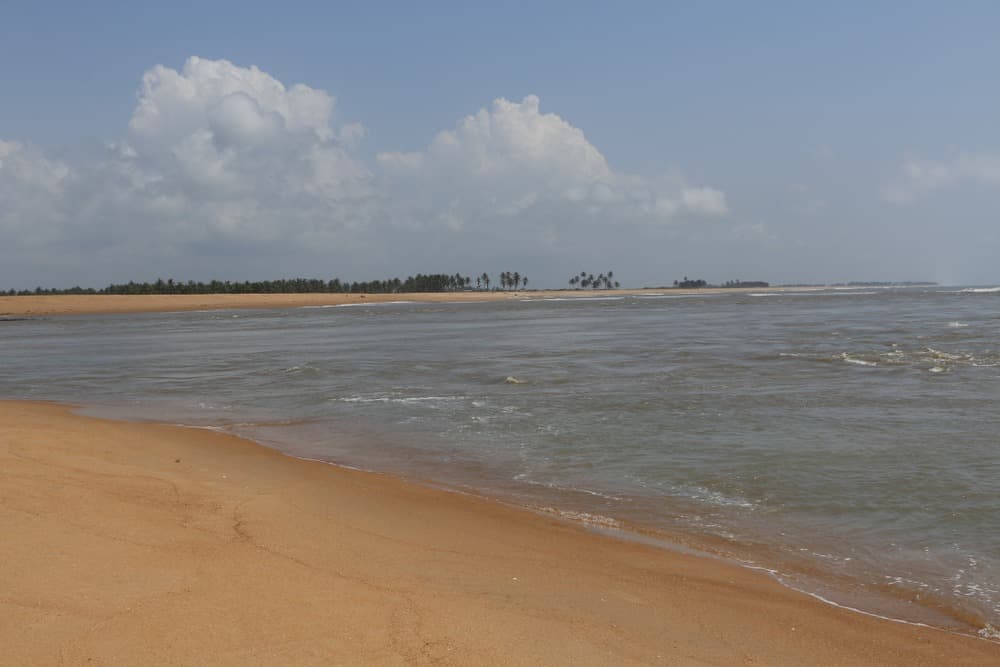
Further west, Grand-Popo stretches between the mouth of the Mono River and the ocean. The 12-kilometer beach is bordered by coconut palms and remains quiet outside Cotonou weekends. It is the departure point for boat trips on the Mono River to the Bouche du Roy, a Ramsar wetland where mangroves shelter herons, manatees and sea turtles during nesting season. The neighboring village of Avlékété and the Comé market, 20 kilometers inland, round out the discovery. Between Ouidah and Grand-Popo, the coastal road passes through Possotomé, on the shores of Lake Ahémé, known for its mineral water and traditional salt furnaces.
Coastal cuisine revolves around fish: braised tilapia from Aheme, crab in okra sauce, akpan (fermented corn paste) served with green pepper. Wagasi, fried Fulani cheese, and pounded yam come down from the north. The local drink is sodabi, distilled palm alcohol, and tchoukoutou, millet beer. Culturally, the coast is the domain of the Fon, Goun, Mina and Xwla peoples, whose languages and rhythms intertwine in the markets and vodoun ceremonies. It is here, more than anywhere else in Benin, that the traveler grasps why the country is considered the cradle of this religion that spread to populate Haiti, Cuba and Brazil.
What to discover
Ganvié lacustrine village. Pirogue from Abomey-Calavi at dawn, when Tofinu fishermen raise their acadjas and the floating market sets up between the stilt houses of Lake Nokoué.
Slave Route in Ouidah. 4 kilometers on foot from the auction square to the Gate of No Return, passing the Tree of Forgetting and the Zoumai Memorial, with a local guide who places each stage in the triangular trade.
Vodoun Festival, January 10. On Ouidah beach, processions of dignitaries, initiations from the covens, Egungun and Zangbeto dances, in the presence of Afro-descendant communities from Bahia and Cuba.
Bouche du Roy estuary. Pirogue trip from Grand-Popo through the mangrove of the Mono River, a 9,700-hectare Ramsar wetland, observation of herons and, between November and March, nesting of olive ridley turtles.
Dantokpa market in Cotonou. 20 hectares along the lagoon, West Africa's largest market, with its vodoun fetish section where you can find monkey skulls, feathers and ritual powders.
When to go
The coast experiences an equatorial climate with two rainy seasons. The main dry season, from mid-November to mid-March, remains the most comfortable period: temperatures between 25 and 31 °C, skies often veiled by the harmattan descending from the Sahel in December-January, humidity down to 60%. This is also the season of the Vodoun Festival (January 10) and sea turtle nesting. The main rainy season, from April to mid-July, brings 300 to 400 mm in June over Cotonou, with late-afternoon storms that can make some secondary tracks impassable. The short dry season of August-September is acceptable but humid (85% humidity), followed by a short rainy season in October.
Practically speaking, we recommend December to February to combine dry weather, refreshing trade winds and the ritual calendar. March remains possible but humidity rises quickly. Avoid June, when heavy showers can isolate Ganvié and limit trips by pirogue on the Mono.
Practical advice
Budget 3 to 4 days to properly explore the coast: one day for Cotonou and Ganvié, a full day in Ouidah (museum, Slave Route, Temple of Pythons, Kpassè Sacred Forest), one to two nights in Grand-Popo for the Mono mangrove and rest by the ocean. Arrival is via Cardinal Bernardin Gantin Airport in Cotonou, 5 kilometers from the center. Distances are short: Cotonou-Ouidah 42 km in 1 hour, Ouidah-Grand-Popo 60 km in 1h15 on the coastal bitumen road.
The coast naturally combines with the Abomey plateau (2 hours drive from Cotonou) to extend into the history of the Dahomey kingdoms, then with the Hills and central region to move toward Atakora and Pendjari on a 12 to 15-day south-north circuit. Hotel comfort is adequate in Cotonou and Grand-Popo, more basic in Ouidah. The region suits travelers interested in history, questions of memory, and those who want to understand vodoun as a living practice rather than as a curiosity. Families with children: pirogue trips in Ganvié and the Grand-Popo beach work well from age 6-7 onwards.