Aného (Togo)
Aného (Togo)
Aného, Togo's former colonial capital, reveals Afro-Brazilian verandaed houses, a lagoon of fishermen, and active voodoo convents — 45 km from Lomé, on the Benin border.
Aného is a coastal city in southern Togo, the former German and French colonial capital, nestled between the Gbaga Lagoon and the Atlantic Ocean. Once a major trading hub for enslaved people and palm oil, it preserves rare colonial architectural heritage across West Africa. Its unhurried atmosphere, verandaed houses, and voodoo traditions make it a distinctive stop along Togo's coastal route.
Practical Information at a Glance
Access: approximately 45 km east of Lomé via the RN1 national road, reachable by bush taxi or private car.
Recommended duration: a half-day to a full day.
Dress code: modest attire recommended, especially near ceremonies or voodoo convents.
What to See
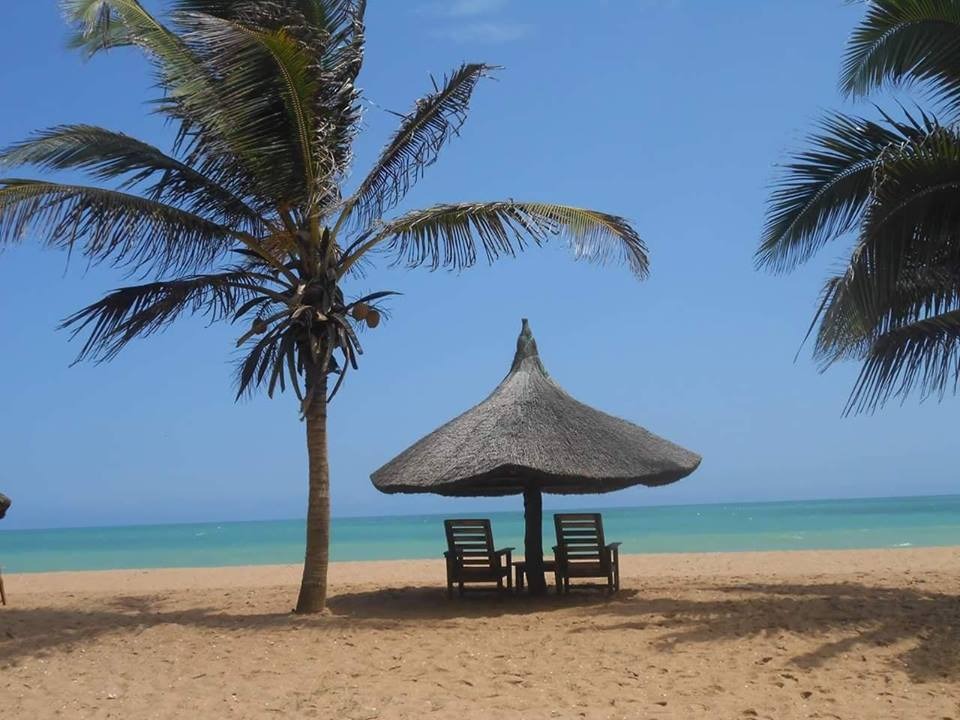
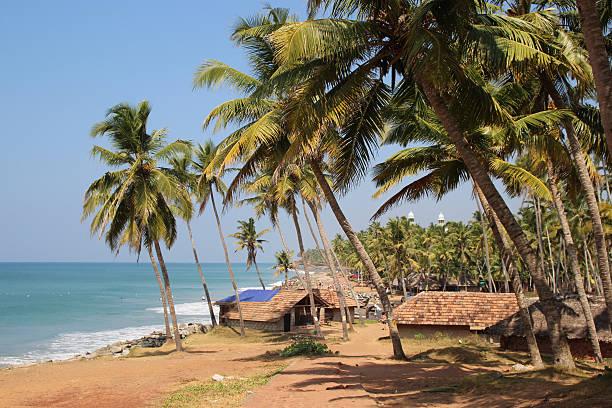
The historic center clusters partly restored German and French colonial buildings, including former homes of Brazilian merchants who returned from the Americas. The Gbaga Lagoon offers views of fishermen on pirogues, nets drying in the sun, and coconut palms. The local market reflects the daily life of the Mina community, the region's majority ethnic group.
History and Context
Aného — formerly Little Popo — was the principal export port of German Togoland in the late 19th century. After World War I, the city became the capital of French Togo until this status transferred to Lomé. This past left it with an intact colonial urban fabric, rare in the sub-region. The city is also a historic center of voodoo worship, openly practiced by much of the population.
Highlights of Your Visit
The Colonial Quarter
The streets of the center reveal arcaded façades, wrought-iron balconies, and interior courtyards typical of tropical colonial architecture. Some houses still bear the names of Afro-Brazilian merchant families, witnesses to a complex transatlantic history.
Gbaga Lagoon
From the shores, observe fishermen maneuvering their pirogues at dawn. The lagoon separates Aného from the Atlantic coastal strip and creates a landscape of shifting light, particularly striking at day's end.
Voodoo Convents and Ceremonies
Aného is renowned for its active voodoo convents. Ceremonies take place at certain times of year; they are sometimes accessible to respectful visitors with the approval of local leaders. A local guide is essential to approach these sacred spaces.
Etiquette and Visiting Rules
Never photograph a voodoo convent, altar, or ceremony without explicit permission.
Adopt a discreet and quiet demeanor near places of worship.
Always ask permission before photographing residents.
A local guide facilitates access and prevents cultural misunderstandings.
Photography Tips
The golden morning light on the lagoon is ideal for photographing pirogues and reflections. Colonial façades are best lit mid-morning, before the sun becomes too overhead. Avoid pointing your camera at convents or altars without prior agreement.
Location and Access
Aného lies in Togo's Maritime Region, on the border with Benin. The city is connected to Lomé by the RN1; bush taxis departing from Lomé's terminal regularly serve the route. The crossing into Benin (Grand-Popo) occurs at the Hillacondji border post, a few kilometers east.
Nearby Attractions
Grand-Popo (Benin) — neighboring coastal town across the border, known for its beaches and end-of-the-world atmosphere.
Lomé — Togo's capital approximately 45 km away, with its famous fetish market and lively waterfront.
Lake Togo — inland body of water nearby, accessible by pirogue from Togoville, a village with vibrant voodoo traditions.
Togoville — village on the northern shore of Lake Togo, site of the 1884 German-Togolese treaty signing.
Frequently asked questions
The dry season, from November to March, offers the most pleasant conditions: moderate heat and passable roads. Avoid the heavy rainy seasons (April-June and September-October) if traveling in a light vehicle.
A guide is not mandatory for the colonial quarter, but strongly recommended for approaching voodoo convents and understanding the historical context of merchant houses.
Certain ceremonies are accessible to respectful visitors, depending on the period and approval of local leaders. A local guide is essential to obtain this authorization and behave appropriately.
Aného pairs naturally with Togoville and Lake Togo in a day trip, or with Grand-Popo on the Benin side if you cross the border. Lomé remains the most practical logistical base.
Colonial façades and lagoon landscapes are freely photographed. Conversely, voodoo convents, altars, and residents require explicit permission before any photography.
Want to discover this destination?
Our local advisors design your tailor-made trip.