Dantokpa Market
Dantokpa Market
Dantokpa market in Cotonou is West Africa's largest open-air market. Wax textiles, medicinal plants, voodoo fetishes and street food: a total immersion in Beninese economy and culture.
Dantokpa market sprawls across several hectares along the Cotonou lagoon. It's West Africa's largest open-air market, a labyrinth of alleyways where weavers, herbalists, spare-parts dealers and cloth vendors cross paths. Here, Benin's informal economy thrives at full throttle. A dive into Dantokpa means understanding Cotonou at its commercial, cultural and spiritual core.
Quick practical facts
- Access: Akpakpa neighbourhood, east bank of Cotonou bridge — reachable by zémidjan (motorbike taxi) from anywhere downtown.
- Entry: free, no ticket required.
- Suggested duration: 2 to 3 hours minimum to explore the main sections.
- What to wear: comfortable clothes, closed-toe shoes — ground is uneven and sometimes muddy.
- Safety: keep bags and cameras close; avoid displaying valuables.
- Best time: early morning on weekdays for fewer crowds and better light.
What you'll find
Dantokpa is organized into specialist zones, though boundaries overlap. You'll discover sections dedicated to wax fabrics and pagnes, spices and medicinal plants, hardware, fresh produce, voodoo fetish items and second-hand clothing. The herbalists' and fetish section—sometimes called the voodoo market—ranks among West Africa's most photographed areas.
History and context
The name "Dantokpa" means "at the edge of Dan" in Fon, referring to the lagoon bordering the site. The market developed from the 1960s onward as Cotonou grew into Benin's economic capital. Today it's run by Cotonou's municipality and stands as one of the country's major economic engines, drawing traders from Togo, Nigeria, Ghana and Niger.
Highlights of your visit
The fetish and voodoo plant section
Animal skulls, dried roots, coloured powders and statuettes line the stalls. Herbalist-fetish dealers, called bokonon, advise customers on traditional remedies and rituals. This section illustrates voodoo's central place in Beninese society.
The fabric and textile stalls
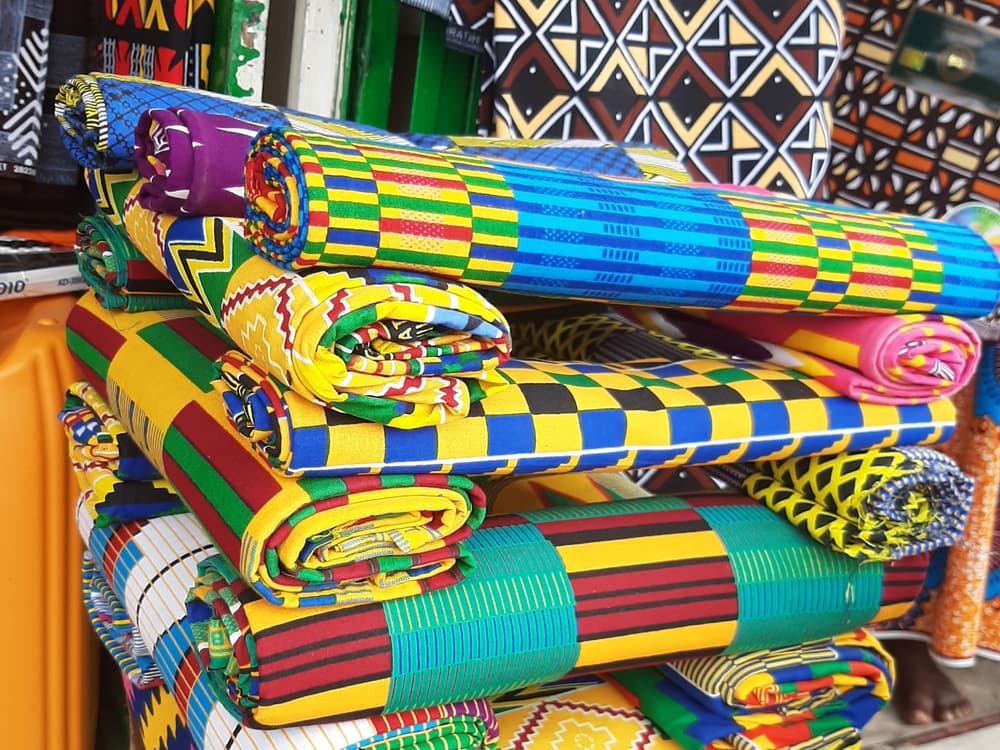
Hundreds of rolls of Dutch wax, bazin and kente cloth pile up beneath colourful tarps. Seamstresses stationed nearby offer quick alterations. This is the ideal place to buy authentic fabrics at negotiated prices.
The food zone
Yams, cassava, peppers, smoked fish and red palm oil heap into pyramids. Women cook on-site—akassa, amiwo, grilled fish—for passing traders and visitors. Street food is plentiful and cheap.
Photography tips
Light is best early morning, before tarps cast overly contrasting shadows. Always ask vendors' permission before photographing, especially in the voodoo section where some refuse outright. A local guide greatly eases these exchanges. Avoid flash in fetish areas.
Location and access
Dantokpa sits in the Akpakpa neighbourhood, east of the bridge spanning Cotonou lagoon. Zémidjans (motorbike taxis) are the fastest way to reach it from any point in the city. The market borders the lagoon, creating a special atmosphere at day's end. Immediately nearby are the Cotonou Bridge and downtown commercial districts.
In the vicinity
- Zinsou Foundation — contemporary African art museum housed in a colonial villa in Cotonou, a few kilometres northwest.
- Cathedral of Our Lady of Mercy — central religious building in Cotonou, landmark of the Cadjehoun neighbourhood.
- Fidjrossè Beach — long Atlantic beach west of Cotonou, reachable by zémidjan, for unwinding after market hustle.
- Ouidah — historic town some 40 km away, spiritual capital of Beninese voodoo and major site of memory concerning the slave trade.
Frequently asked questions
The market operates daily, with more intense activity on weekdays. On Sundays, certain sections are less crowded.
Not required, but a local guide is highly recommended. They ease navigation through the maze of alleyways, help with price negotiation and facilitate exchanges with voodoo section vendors.
Negotiation is the norm at Dantokpa. Offer roughly half the asking price and reach agreement gradually. Stay courteous—aggression is poorly received.
Yes, the fetish and medicinal plant zone is open to all. Some vendors will explain their goods. Remain respectful and ask before touching or photographing.
Early morning, between 7 and 10 a.m., crowds are lighter and light softer for photos. Midday brings heat and crowds that make touring more taxing.
Yes, it's a classic pairing. Visit Dantokpa in the morning in Cotonou, then head to Ouidah in the afternoon for the Slave Route and Python Temple.
Interested in this visit?
We can include it in your personalised itinerary.