Batia
Batia
In northwestern Benin, Batia brings together Somba tata, living traditions and access to Pendjari National Park. Practical information to prepare your visit.
Batia is a village in northwestern Bénin, situated on the border with Togo, in the Atakora region. Known for its Somba tata (traditional fortress-houses) and its proximity to Pendjari National Park, it represents an ideal stopover for travelers interested in West African built heritage and nature.
Why visit Batia
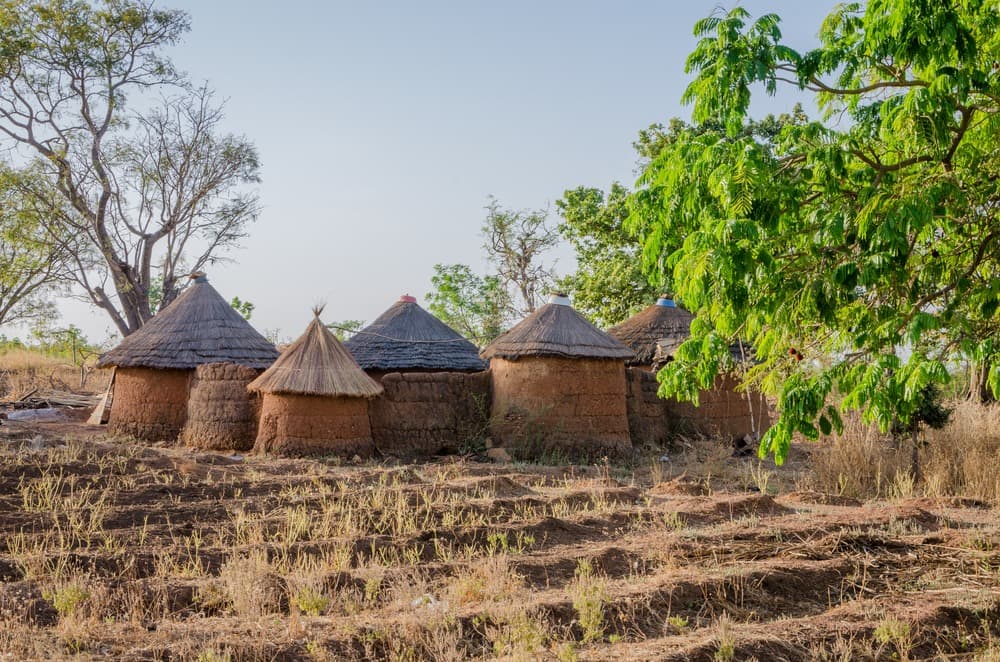
Batia appeals for three main reasons. First, its vernacular architecture: the Somba tata, earth fortress-houses crowned with conical roofs, rank among the most distinctive expressions of traditional West African housing. Second, its geographical position: the village lies at the gates of Pendjari National Park, one of the last great protected savanna areas in West Africa. Finally, its well-preserved village fabric, where daily life unfolds to the rhythm of subsistence agriculture and seasonal celebrations.
Since 2018, Batia has been associated with the Millennium Villages network, a rural development initiative inspired by UN objectives. This dynamic has improved access to water, electricity and health services, while supporting local crafts and tourism.
History and Somba heritage
The village is part of the historical territory of the Somba (Bétammaribé), a people settled in the Atakora massif for several centuries. The Somba tata reflect a social organization based on the extended family unit: each house sheltered a family, its livestock and granaries, and could withstand a siege thanks to its thick walls and terrace roof. The geometric patterns and animal sculptures adorning the facades evoke a symbolic universe blending protection, fertility and connection to ancestors.
The broader landscape of Somba tata, shared between Bénin and neighboring Togo, is inscribed on UNESCO's World Heritage list on the Togolese side (Koutammakou) and is subject to similar preservation measures on the Beninese side.
What to see and do in Batia
The Somba tata
Visiting the tata forms the heart of the experience. Several families welcome visitors into their homes: you can observe the interior layout, grain stores, family altars and drying terraces. A local guide is essential to understand the symbolic meaning of the decorations and respect local customs.
Local cuisine
The cuisine is based on plateau cereals: millet, sorghum, maize and cassava, prepared as porridges, pancakes and pastes accompanied by vegetable or meat sauces. Three specialties deserve tasting:
- The tchoukoutou, fermented millet beer served in calabashes;
- The wagasi, cow's milk cheese produced by Fulani herders;
- The dèguè, a dessert made from yogurt and small millet balls.
Cycling and walking in the surroundings
The sandy tracks connecting Batia to neighboring hamlets are well-suited for walking and cycling. These gentle modes of transport offer a respectful approach to the territory and facilitate encounters with local people along the fields and water sources.
When to visit
The climate is tropical, with a dry season from November to April and a rainy season from May to October. The average temperature hovers around 27°C. The dry season remains the most favorable for visiting: passable tracks, clear skies and better wildlife observation in the nearby Pendjari.
Two cultural events mark the year: the harvest festival in December, celebrating the end of the harvest, and the fire festival in February, featuring dances and nocturnal rituals.
How to get to Batia
Batia is far from major roads. From Cotonou, allow for a long day of travel (approximately ten hours depending on track conditions). From Natitingou, the closest town with infrastructure, the journey takes half a day. Renting a 4x4 vehicle with a driver remains the most comfortable and reliable solution, particularly during the rainy season. On site, travel is by foot, bicycle or donkey, as sandy tracks are unsuitable for light vehicles.
Practical information
- Accommodation: a few community-run guesthouses and ecolodges, book in advance as capacity is limited.
- Guides: hiring a local guide is recommended for visiting the tata and accessing nearby sites.
- Health: bring antimalarial medication and a basic first-aid kit; medical facilities are basic.
- Money: no ATM on site, withdraw cash in Natitingou before departure.
- Respect for customs: ask permission before any photography, particularly of people and altars.
Nearby attractions
The Atakora region concentrates several major sites accessible from Batia:
- The Pendjari National Park, in immediate proximity, is home to elephants, lions, buffalo and hippopotamuses in a wooded savanna landscape;
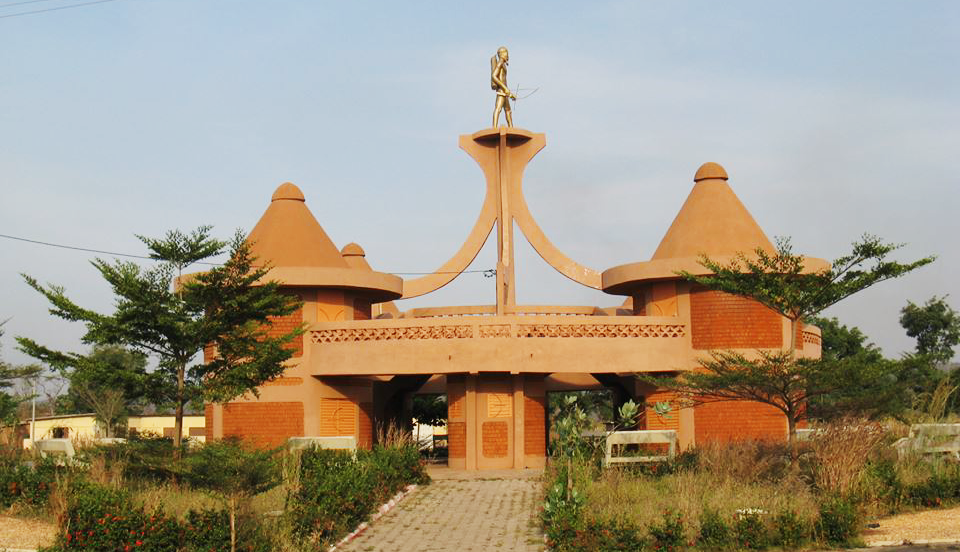
- The kingdom of Kouandé, an ancient royal city, preserves its palace, the tombs of sovereigns and statues of warriors;
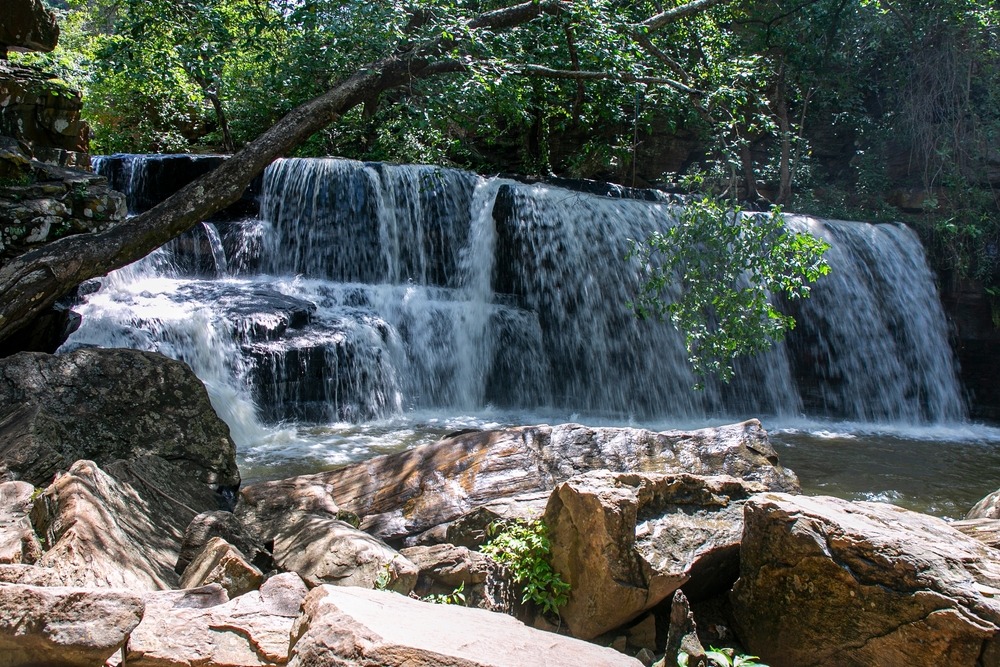
- The Tanougou waterfalls, whose cascades plunge into natural pools suitable for swimming;
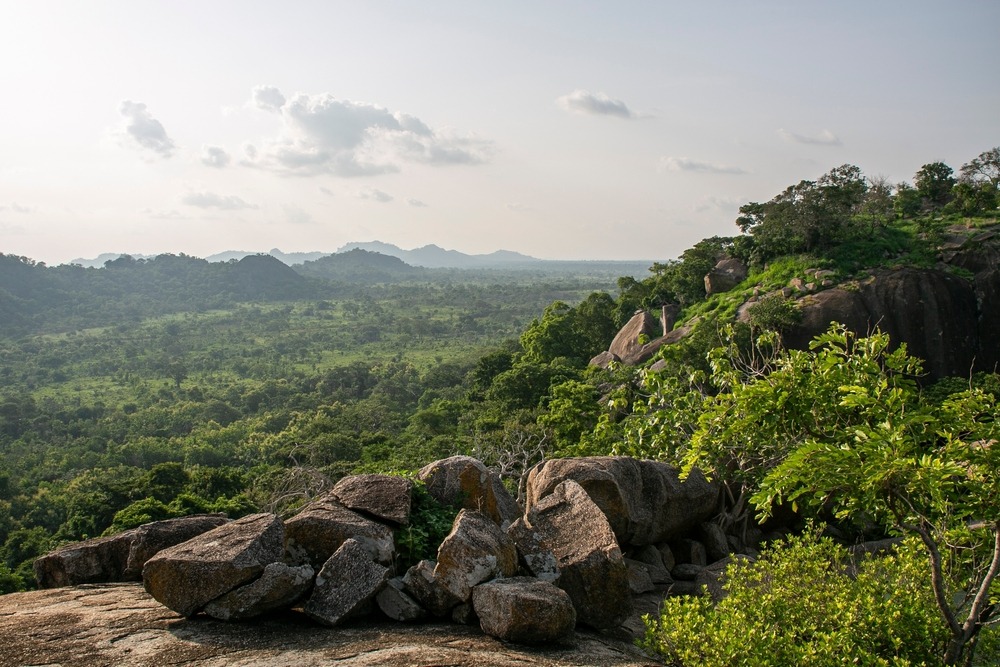
- More broadly, the Atakora mountains offer unusual terrain for Bénin, dotted with traditional villages.
Frequently asked questions
Frequently asked questions
Yes, it is highly recommended. The guide facilitates entry into homes, translates exchanges with families and explains the symbolism of the decorations. They also ensure compliance with local rules.
A full day allows you to visit the village and several tata. To combine Batia with Pendjari or Tanougou, allow two to three days in the area.
It is possible but not recommended: the tracks become difficult to navigate and some parts of the neighboring park are closed. The dry season, from November to April, remains the safest window.
The village itself is peaceful, but the border area of northern Bénin is subject to specific recommendations. Check travel advice before departing and favor an experienced local operator.
Preparing your trip
Batia naturally fits into an itinerary combining the mountainous north and the Beninese coast. To build your program and adjust it to your interests, explore our travel suggestions for Bénin.
Interested in this visit?
We can include it in your personalised itinerary.