7 Must-See Attractions to Discover on a Trip to Benin
Located in West Africa, Benin's coastlines boast paradisiacal beaches along the Gulf of Guinea. Known for its colonial architecture,
Located in West Africa, Benin's coastlines boast paradisiacal beaches along the Gulf of Guinea. Known for its colonial architecture, Benin also features traditional buildings, such as the tatas sombas or the lakeside settlement of Ganvié… Want to learn more? Here are 7 must-see attractions to discover on a trip to Benin.
1. Pendjari National Park: The UNESCO-Listed Biosphere Reserve
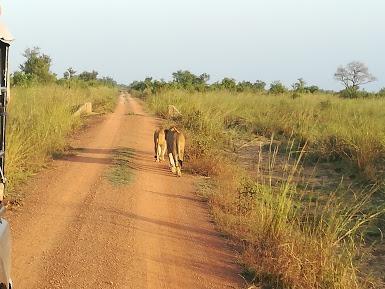
At the far northwest of the country, Pendjari National Park is home to abundant wildlife. During a safari, you'll encounter lions, elephants, patas monkeys, as well as waterbucks and crocodiles. On the flora side, this "biosphere reserve," listed by UNESCO, promises a true immersion in the heart of the savanna thanks to its lush and varied vegetation (over 240 plant species are recorded there)!
2. The Tatas Sombas: Traditional Homes to See in Boukoumbé
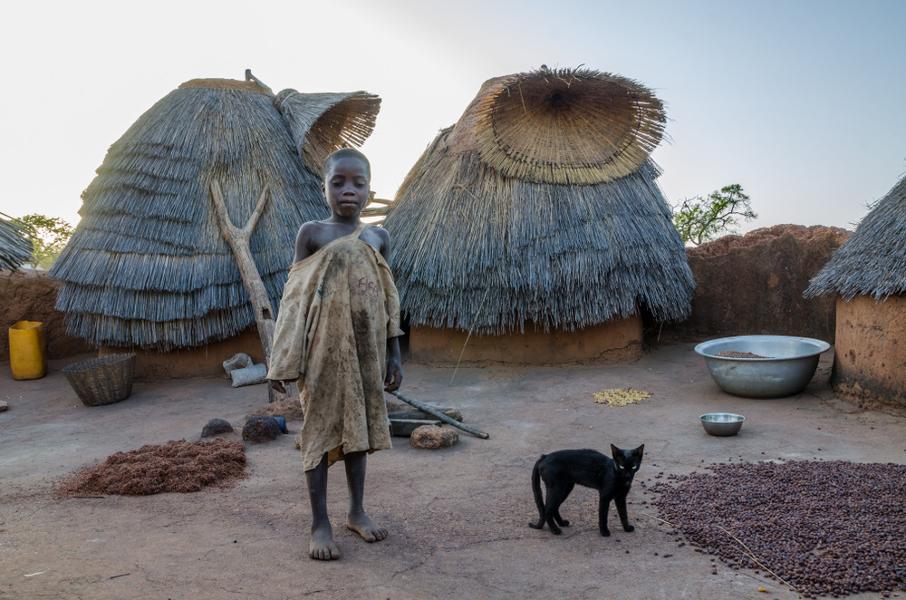
To discover the tatas sombas (traditional dwellings of the Somba people—a grouping of several communities established in the Atacora department), head to Boukoumbé, in northwest Benin. The village is renowned for its clay structures…
Nicknamed "traditional fortified houses," these buildings are elevated with an upper floor (where inhabitants live). The ground floor serves as a place of worship and space for domestic animals. It's possible to visit them or even stay overnight… These architectural treasures are listed as UNESCO World Heritage sites.
3. Grand-Popo: The Essential Beach Resort
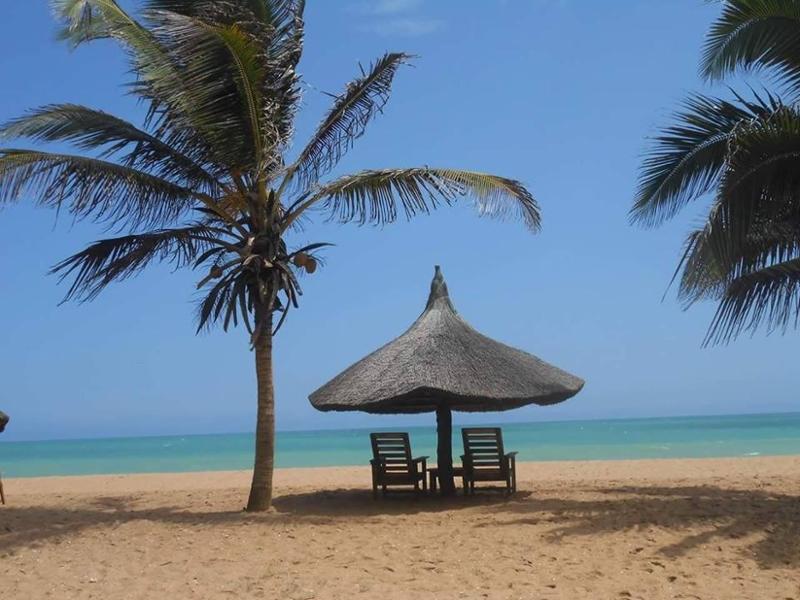
Near the Togolese border, you'll find the town of Grand-Popo. Renowned for its wonderful beaches, it's a dream destination to enjoy the sun along the Atlantic coast. Relatively untouched by tourism, its stretches of fine sand are nearly deserted (even at the height of the summer season, from November to January)! Blessed with lush vegetation, you can benefit from the shade of the many coconut palms that line the beaches…
More than just a vacation spot, Grand-Popo is also cherished for its Bouche du Roy biosphere reserve. This natural area is home to over 70 bird species and 150 plant species. Three circuits allow you to explore it. The tour called "Socio-Economic Activities" offers you the opportunity to prepare a traditional recipe with women living in the reserve!
4. Ouidah: A Coastal Town Steeped in History and Vodou Culture
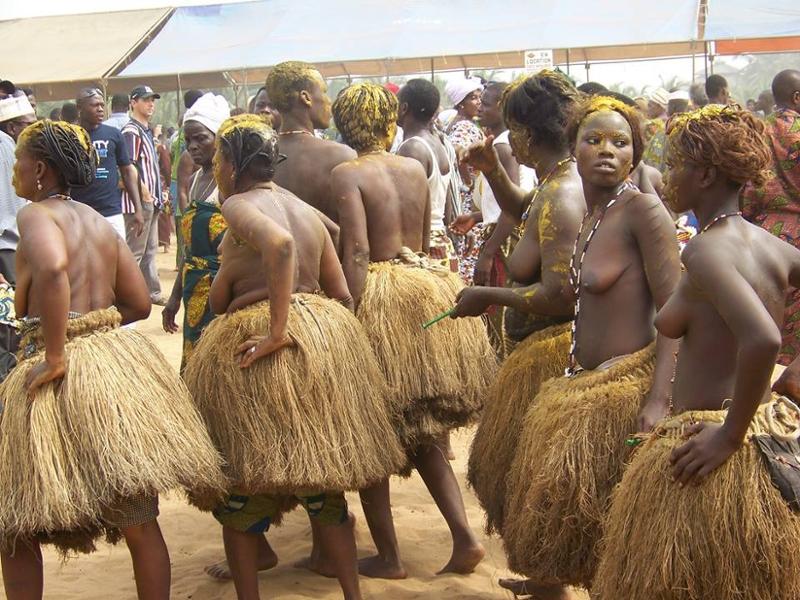
The town of Ouidah is known for its slave trade past (in the 18th century, it was one of the main centers for the sale and embarkation of enslaved people bound for Portugal, Great Britain, and France). Many buildings testify to this period, such as The Gate of No Return, erected in 1995 at UNESCO's initiative. Erected on the beach from where the ships departed, this memorial arch commemorates the mass deportations during the slave trade…
Ouidah is also renowned for its beliefs and spiritual practices. During your visit, don't miss the Python Temple, a vodou sanctuary dedicated to snake worship! A tip? Take time to stroll along the famous "fishing road." This shaded path along the ocean allows you to enjoy the sea breeze… and leads to Cotonou.
5. Dantokpa Market: A Must-See in Cotonou
Considered the economic capital of the country, Cotonou is a port city known for its market. Spanning 20 hectares, it's the largest market in West Africa (and one of the largest in the world). Built across three levels, Dantokpa Market has more than 15,000 stalls!
Among the stalls you'll find fresh produce, as well as typical items such as traditional fabrics, wax prints, and more. You'll spot Beninese vendors balancing their merchandise on their heads, haggling scenes… and just as many authentic moments in the heart of local life!
6. Porto-Novo: The Capital—One of Benin's Must-See Cities
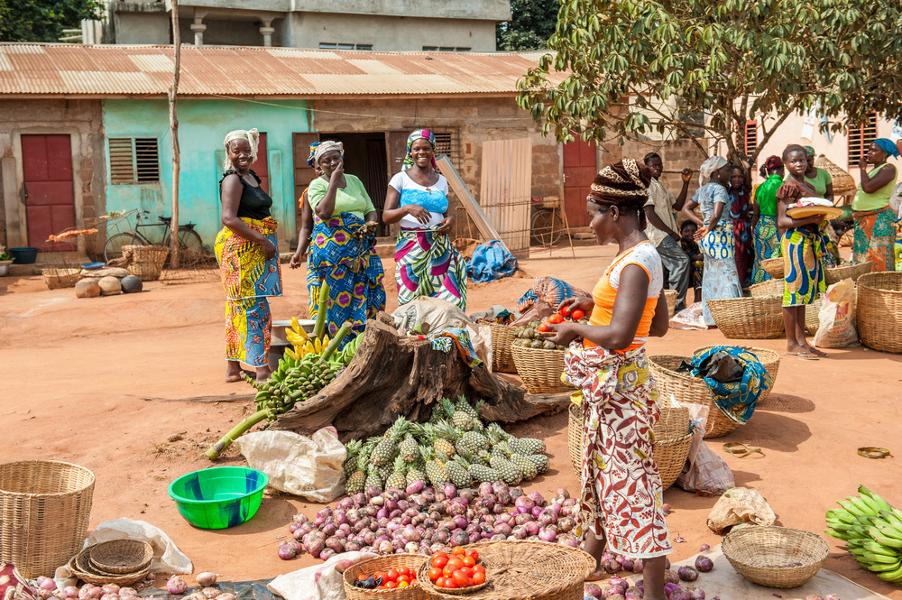
Benin's capital is steeped in history. Its colonial-style architecture (variously Afro-Brazilian, Portuguese, or French) makes it a unique and multiethnic city. Among the must-see sites of Porto-Novo, discover:
The Cathedral of Notre-Dame of the Immaculate Conception: with its classical African style, it's one of the city's oldest monuments;
The Grand Mosque: in Afro-Brazilian style, it's renowned for its splendid colored façade;
The Honmè Museum: housed in the palace of the former kings of Hogbonou, the site is dedicated to Benin's history.
7. Ganvié: The Stilt City—West Africa's Most Important Lakeside Settlement
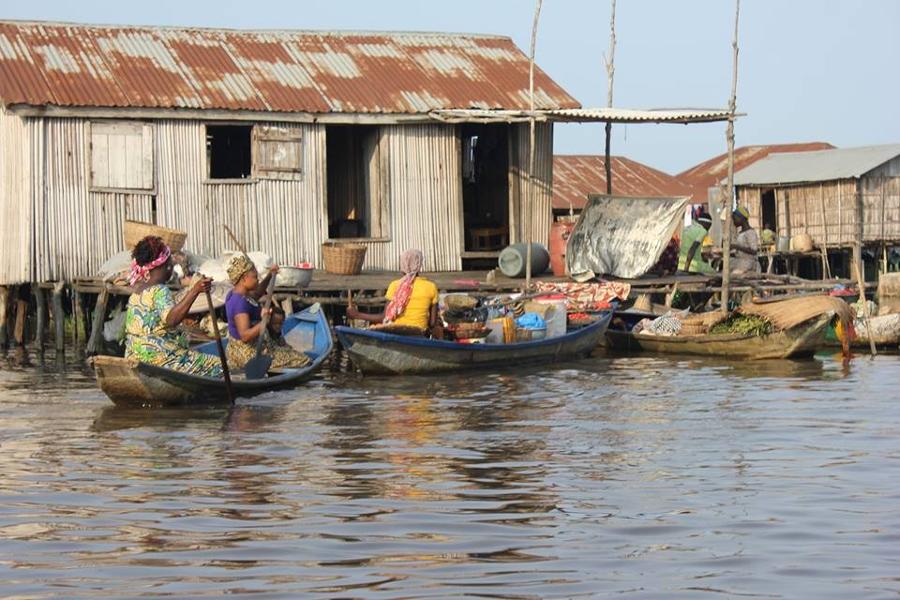
Ganvié is a lakeside settlement (built on a lake) situated on Lake Nokoué, in the commune of Sô-Ava. This stilt city of 30,000 inhabitants is the most important lakeside settlement in West Africa. Increasingly popular, it's nicknamed "The African Venice." Why? To reach this unique village, you must board a pirogue (or motorized boat) via the Calavi route…
Frequently asked questions
The best time to visit Benin is between November and January, during the dry season. The weather is more pleasant, ideal for exploring natural parks, the beaches of Grand-Popo, and cultural sites. Avoid the rainy season (June to September) for traveling to interior regions.
Most European citizens must obtain a visa to enter Benin. It's possible to apply online via the official Beninese portal (e-visa) before departure, or upon arrival at Cotonou Airport. Check with the Benin Embassy for conditions specific to your nationality.
The main sites in Benin are accessible by bush taxi, bus, or rental car from Cotonou. For destinations like Boukoumbé or Pendjari Park in the north, plan for several hours of travel. Within cities, zémidjans (motorcycle taxis) are the most common mode of transport.
Ganvié is a village built on stilts above Lake Nokoué in Benin. With its 30,000 inhabitants, it's the largest lakeside settlement in West Africa, nicknamed 'The African Venice'. Access is only by pirogue or motorized boat from Calavi, about twenty kilometers from Cotonou.
Pendjari National Park, located in northwest Benin, is a UNESCO-listed biosphere reserve. Safaris are conducted by vehicle with an official guide, which is the requirement for safe exploration. It's advisable to check current security conditions in the region before your departure.