Notre-Dame Cave
Notre-Dame Cave
Bénin's principal Marian sanctuary, the Notre-Dame d'Arigbo Cave in Dassa-Zoumè draws tens of thousands of pilgrims each August 15th.
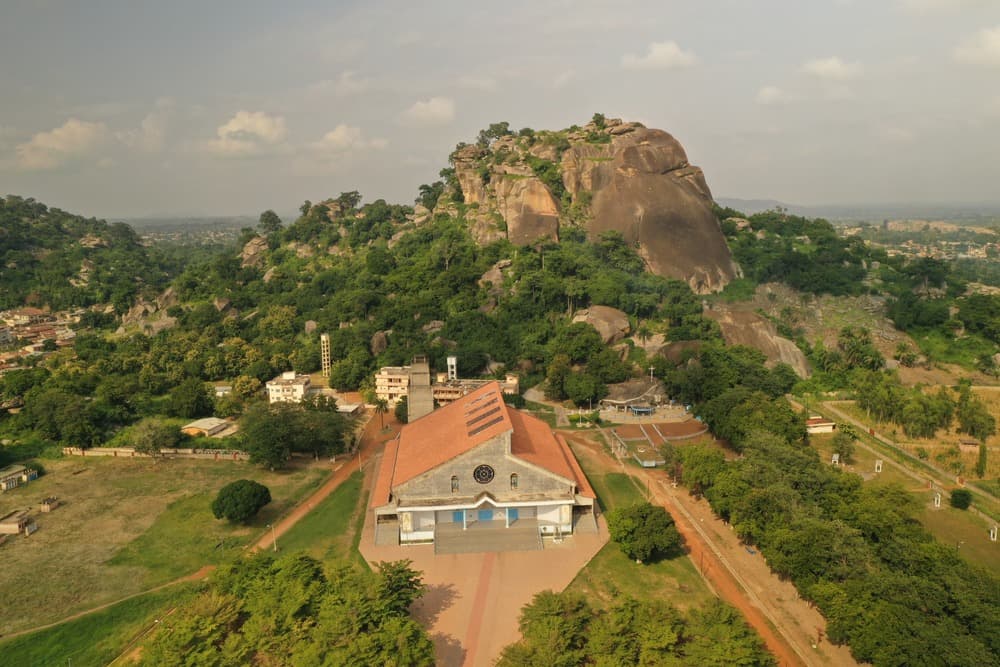
The Notre-Dame d'Arigbo Cave, located in Dassa-Zoumè in the Collines department, is one of West Africa's principal Marian sanctuaries. Every year, tens of thousands of pilgrims from Bénin and abroad visit, particularly around August 15th, for the Feast of the Assumption. The site combines a natural cavity, a statue of the Virgin Mary, springs reputed to possess miraculous properties, and rocks carved with scenes evoking biblical narratives.
Why visit the Notre-Dame d'Arigbo Cave
The sanctuary appeals both to Catholic pilgrims and to travelers curious about Christianity's place in a country where traditional religions, Islam, and Catholicism coexist. The site offers multiple layers of meaning:
- A living place of devotion, still heavily frequented throughout the year.
- A natural setting marked by rocky hills characteristic of central Bénin.
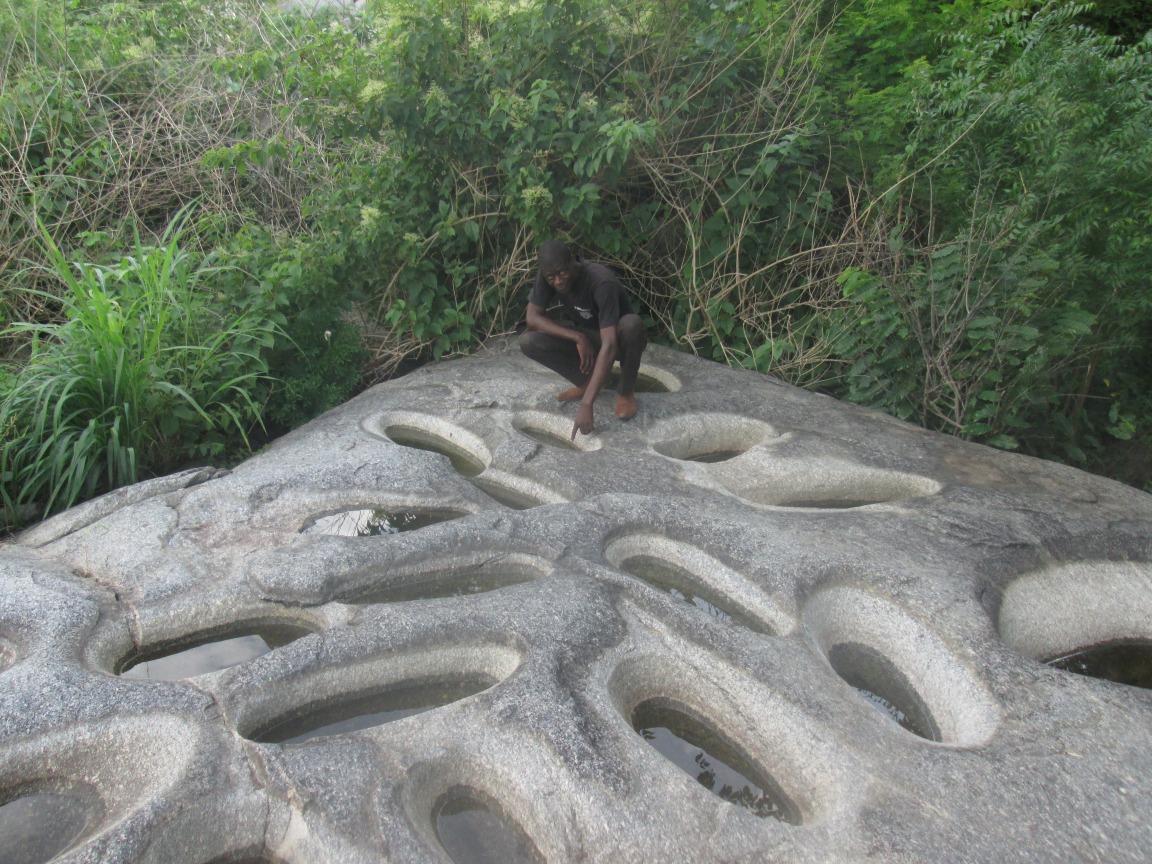
- Archaeological heritage with remains dating to the Neolithic period, attesting to ancient human occupation.
- A particularly powerful experience during the mid-August major pilgrimage.
History of the sanctuary
The discovery in 1954
The site's history begins in 1954, when a hunter named Joseph Amoussou discovers a rock cavity in the hills of Dassa-Zoumè. According to local tradition, he perceived a call inviting him to report the site to religious authorities. He informs Father Louis Parisot, the parish priest at the time, who visits the site, confirms the discovery, and has a wooden cross erected to mark the location.
From chapel to Marian sanctuary
In 1958, Pope Pius XII elevates the cave to the status of Marian sanctuary under the title of Notre-Dame d'Arigbo. Three years later, in 1961, Cardinal Bernardin Gantin, Archbishop of Cotonou and a major figure in African Catholicism, consecrates the statue of the Virgin and blesses the water springs flowing nearby. Since then, the site has grown steadily in renown and constitutes today Bénin's principal Catholic pilgrimage destination.
What to see on the site
The statue of the Virgin Mary
Above the cave stands a statue of the Virgin Mary approximately 2.5 meters high. It serves as the focal point of prayers and processions, and remains the most reproduced image of the sanctuary.
The water springs
Several springs flow in the immediate vicinity of the cave. They are reputed by the faithful for their virtues against skin conditions, eye problems, and infertility. Pilgrims come to collect water, which is blessed during the August 15th ceremonies.
The carved rocks
The circuit incorporates several rocks evoking biblical scenes or figures:
- The Rock of Moses.
- The Rock of the Good Shepherd.
- The Rock of Saint Thérèse of Lisieux.
Archaeological remains
The site also contains remains dating to the Neolithic period, reminding us that the area was occupied long before it acquired its contemporary religious dimension.
When to visit
The sanctuary is open year-round. The highlight remains the annual Assumption pilgrimage, from August 14th to 16th, which gathers several tens of thousands of pilgrims (organizers cite figures exceeding 100,000). On the agenda:
- A grand procession departing from downtown Dassa-Zoumè to the cave.
- A solemn Mass presided over by the diocesan bishop.
- A blessing of the spring water and a consecration to Mary.
- Prayer vigils and singing throughout the night.
This period coincides with the rainy season: the landscape is verdant, but crowds are very heavy and accommodations in Dassa-Zoumè fill up. For a quieter visit, choose other months of the year. The dry season, from November to February, offers more comfortable walking conditions.
Practical information
- Site access: open daily during daylight hours. Exact hours may vary; it's best to inquire locally.
- Fee: free entry. A contribution toward maintenance costs is appreciated.
- Duration of visit: allow 1 to 2 hours to walk the entire marked circuit and observe the main points of interest.
- Dress code: appropriate attire recommended (place of worship). Bring sturdy shoes for trails and water.
- Guides: English-speaking guides (and speakers of local languages) are available at the entrance. For groups, advance booking is advised.
- Souvenirs: religious objects (rosaries, medals, religious images) at the sanctuary; fabrics, jewelry, and wooden sculptures at Dassa-Zoumè markets.
How to get there
The cave is located approximately 200 km north of Cotonou, in the Collines department.
- By car or bus: the national highway connects Cotonou to Dassa-Zoumè. Depending on traffic conditions, allow approximately half a day of travel.
- By train: the Cotonou-Parakou line serves Dassa-Zoumè and remains a picturesque option for crossing the landscapes of central Bénin.
- Locally: from downtown, the cave is accessible by taxi or motorcycle taxi (zémidjan). Some pilgrims walk or cycle the final kilometers.
What to see nearby
Dassa-Zoumè serves as a useful stopover for exploring central and northern Bénin. Several sites complement the sanctuary visit well:
- The Atakora mountains, further north, for hiking and meeting the Somba peoples.
- The Kpassè sacred forest in Ouidah, to understand the place of vodoun.
- The Grand Mosque of Porto-Novo, a testament to the country's religious diversity.
- The Mono River, which marks Bénin's southwest border.
Frequently asked questions
Frequently asked questions
No. The site is open to all visitors, believers and non-believers alike. Appropriate dress and respectful behavior are expected, as the site remains an active sanctuary.
To experience the major pilgrimage, aim for August 14th, 15th, and 16th. For a quieter visit, the dry season (November to February) offers better walking conditions, without the heavy crowds of the Assumption.
One to two hours are sufficient to walk the marked circuit, observe the statue, springs, and carved rocks. Allow more time if you wish to attend a Mass or make a retreat.
Via the national highway by car or bus (approximately 200 km), or by the Cotonou-Parakou train, which serves the city. Locally, taxis and zémidjans provide connections to the cave.
Access is free. Visitors are invited to leave a contribution to help with site maintenance.
Incorporating the Arigbo Cave into a Bénin trip
The Dassa-Zoumè sanctuary fits naturally into an itinerary combining religious heritage, vodoun traditions, and landscapes of central-northern Bénin. To plan your stay, consult our suggestions for travel to Bénin and build a route tailored to your interests.
Interested in this visit?
We can include it in your personalised itinerary.