Mount Agou
Mount Agou
Togo's highest summit at 986 m, Mount Agou is climbed from Kpalimé through inhabited forest and coffee-growing villages in the Plateaux region.
Mount Agou rises to 986 metres and is the highest peak in Togo. Located near Kpalimé, in the Plateaux region, it overlooks a zone of dense forest dotted with small villages where coffee, cocoa and subsistence crops are cultivated. Its ascent on foot ranks among the country's most popular hikes.
Why climb Mount Agou
The summit offers a rare viewpoint in Togo: a country that is globally flat where even the smallest relief takes on particular importance. On clear days, the panorama stretches far across the Togolese hills and, to the southwest, as far as the Ghanaian highlands. Beyond the physical achievement, the climb traverses inhabited landscapes. You encounter Ewe hamlets, terraced plantations, and trails used daily by villagers. It's a living hike, not an isolated climb into pristine wilderness.
Mount Agou also retains strong symbolic significance for local populations. It is considered a sacred mountain, a site of traditional ceremonies, and its summit hosts military and telecommunications installations that reflect its strategic role.
What to see and do
Climbing the summit
Several routes lead to the summit, the most popular starting from the village of Agou-Nyogbo. The trail, largely paved but steep, can be tackled on foot or by 4x4 vehicle. Allow approximately 3 to 4 hours of walking round-trip for the on-foot version, depending on your pace and starting point. The elevation gain is substantial but the hike remains accessible to anyone in reasonable physical condition.
Villages on the slopes
The villages of Agou-Nyogbo, Agou-Gadzépé and Agou-Tomégbé cling to the mountain's slopes. You'll observe agricultural life rhythmed by coffee and cocoa, rural markets, and vernacular rammed-earth architecture. Stopping to chat with the locals is part of the experience.
Forest and biodiversity
The forest canopy on the slopes shelters fauna and flora typical of West African humid forests: birds, butterflies, endemic plant species. A local guide can draw your attention to what you wouldn't see alone.
Practical information
- Duration of visit: half a day to a full day depending on whether you climb by vehicle or on foot.
- Difficulty: moderate to strenuous on foot (continuous gradient), accessible by 4x4.
- Guide: recommended, to be organised from Kpalimé or directly in the departure villages. Moderate fee, to be negotiated before departure.
- Equipment: hiking shoes, plenty of water, sun protection, lightweight rain jacket during the wet season.
- Accommodation: overnight stay in Kpalimé, which has better tourist facilities.
When to go
The best period runs from November to February, during the dry season. The trails are passable, visibility from the summit is better, and temperatures are more bearable for the exertion. The main rainy season (April to July) makes trails slippery and muddy, and mist often obscures the panorama. The harmattan, a dry wind from December to February, can conversely reduce visibility at times.
In the morning, leave early: heat rises quickly and mist tends to form towards the end of the day.
How to get there
Mount Agou is located approximately 20 km southeast of Kpalimé, a 30 to 45-minute drive. From Lomé, allow 2.5 to 3 hours of travel via the national highway serving Kpalimé. Three options for reaching the foot of the mountain:
- Private car or hired taxi from Kpalimé, the most convenient.
- Minibus to the village of Agou-Nyogbo, economical but less flexible.
- Organised excursion from Kpalimé or Lomé, including guide and transport.
To combine in the region
Mount Agou integrates easily into a circuit around Kpalimé, which concentrates several natural and cultural sites:
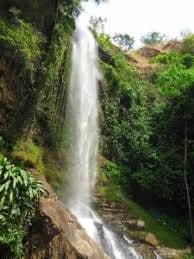
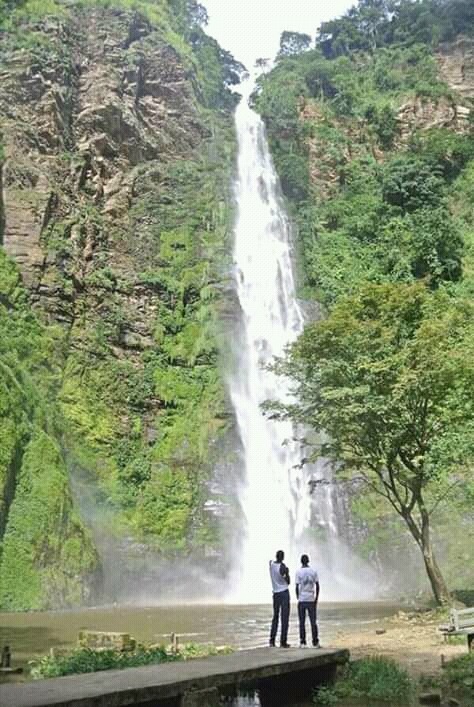
- The Wome waterfalls, in the immediate vicinity of Kpalimé.
- The fetish market to understand the region's voodoo practices.
- The knife dance, a ritual expression specific to the north but part of a broader journey through the country.
Frequently asked questions
Frequently asked questions
Mount Agou rises to 986 metres. It is Togo's highest point.
It's not mandatory as the main trail is clear, but a local guide greatly enriches the visit: explanations about the villages, flora, and easier access to interactions with locals.
The gradient is continuous and sustained on foot, but without technical passages. A basic level of fitness is sufficient. The summit remains accessible by 4x4 vehicle for those who prefer to avoid walking.
It's possible but long: plan a very early departure from Lomé. It's more comfortable to spend the night in Kpalimé and dedicate the morning to the climb.
Preparing your trip
Mount Agou is part of the broader discovery of the Plateaux region and its coffee-growing landscapes. To build a coherent itinerary combining Kpalimé, the agricultural south and the coast, consult our trips to Togo.
Interested in this visit?
We can include it in your personalised itinerary.