Porto-Novo
Porto-Novo
The historic capital of Benin, Porto-Novo reveals five centuries of history between the Yoruba kingdom, Afro-Brazilian heritage, and preserved colonial architecture.
Porto-Novo! At first glance, the name might evoke a European city, but nothing could be further from the truth. Porto-Novo is distinctly a West African city in Benin, celebrated as a historic metropolis and the official capital of Benin. It stands as one of the most cherished destinations for travelers visiting Benin, a city brimming with compelling historical narratives and structures dating back to the colonial era.
Glancing at a map reveals that Porto-Novo is separated from the ocean by a lagoon that intersects the city, creating numerous islands throughout its landscape. In essence, Porto-Novo is Benin's capital city, serving informally as the seat of the nation's administrative affairs. In other words, it functions as the political and administrative capital of the country. Territorially, the city sits in southern Benin, precisely 13 kilometers from the Atlantic Ocean.
Formerly known as the kingdom of Hogbonu, Porto-Novo has meticulously preserved traces of its past—not merely in its architectural and royal heritage, but also in the nation's economic fabric. The city's history stretches back to the 15th century, the era of royal dominion. One legend speaks of a city founded by three Yoruba hunters of Nigerian origin. Another recounts the story of a settlement established in the 15th century by Aja princes from West Africa, in a locality teeming with fishermen along the shores of Lake Nokoué. Centuries passed until the 18th century, when in 1724, a new kingdom was born, bearing the name Hogbonu. Meanwhile, the city experienced vigorous economic growth thanks to its proximity to the Atlantic Ocean. At the same time, it constructed a grand quay for merchant vessels, further encouraging trade with the Portuguese and French. Then, in 1730, the kingdom known as Hogbonu was renamed Porto Novo (new port). The name was bestowed by a Portuguese merchant named Eucharistus de Campos, simply because the city resembled the Portuguese city of Porto.
During this period, the settlement enriched itself particularly through the slave trade, a commerce in human suffering conducted between European leaders (France and Portugal). A market that devastated countless families across sub-Saharan Africa. By the late 19th century, King Sodji, who sat on the throne, signed a protectorate treaty with Western powers, notably the French. Two decades later, another form of obligatory protectorate was established with King Toffa I, compelling the entire city to serve colonial interests. Thus arose French colonial administration, and the city became the capital of Benin.
PORTO-NOVO TODAY
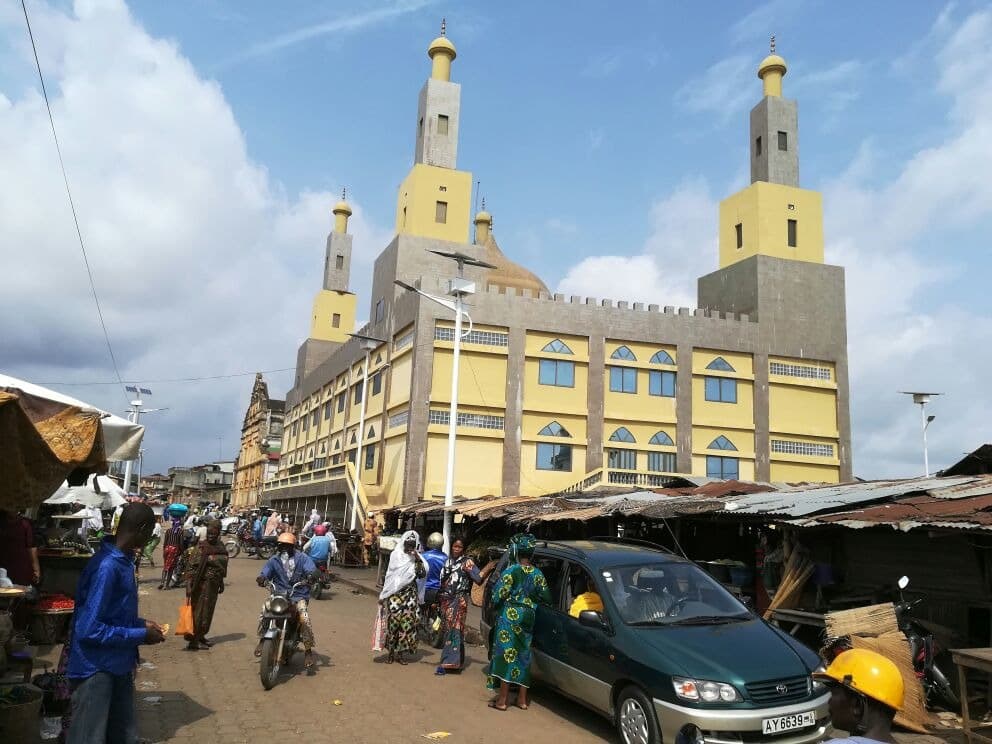
Today, Porto-Novo ranks among the most visited cities in Benin, and even among the premier tourist destinations in West Africa. Its population has recently been counted at approximately 300,000 inhabitants. As a city occupied early by Westerners, Porto-Novo is now renowned for its colonial buildings spanning several centuries. This is why it preserves prestigious architecture—among the world's most well-maintained heritage sites. It is a place where you'll discover the Grand Mosque, an Afro-Brazilian religious building standing in the heart of the city's great market. History even recounts that in the distant past, this structure was a Christian temple. You can also find the historic Alexandre Sènou Adandé Museum of Ethnography. A site honoring Yoruba culture, it embodies the connection between the Beninese government and its ethnic roots. This venue preserves all the relics that have marked the city's history and its tribes. Indeed, Porto Novo never ceases to astound visitors with its tourist attractions. It also invites travelers to explore the Honmé Museum, the royal palace of King Toffa. This museum houses approximately 230 objects preserved in its reserves, including a relic from a royal court captured in meticulous detail. There is also the da Silva Museum, a venue that further collects heritage from slavery, valorizing the Beninese population's ties with Brazil.
CLIMATE
Porto-Novo enjoys a humid tropical climate. This type of climate is often called an equatorial climate with four seasons: two dry seasons (November to mid-March and mid-July to mid-September) and two wet seasons (mid-March to mid-July and mid-September to mid-November). Humidity typically hovers around 75%, which is considerable for the city. Temperatures remain generally pleasant, varying between 20°C and 32°C.
Like all other cities in southern Benin, Porto-Novo is also connected by road to surrounding countries. You can travel via Nigeria, Cotonou, depending on your preference.
Getting around Porto-Novo is hassle-free. The city offers residents and visitors various transportation options. Similar to all cities in Benin, common modes of transportation include buses, shared taxis, and motorcycles commonly called Zém. These public transit options are highly practical for both locals and tourists.
THE BEST THINGS TO DO IN PORTO-NOVO
- Take a look at the Honmé Museum and the da Silva Museum
- Explore the Alexandre Sènou Adandé Museum of Ethnography
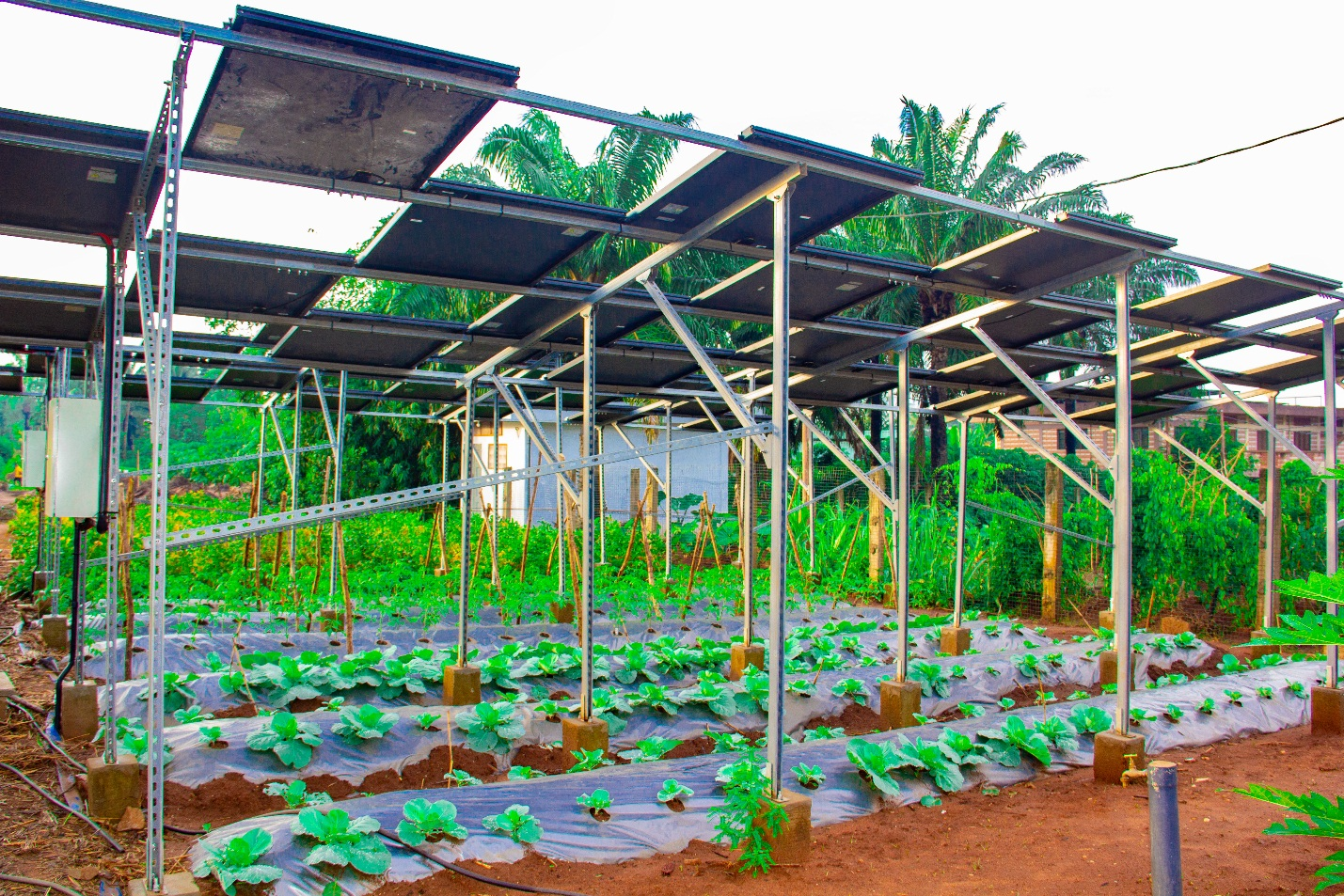
- Visit the Songhai Centre: a center dedicated to agricultural research, education, and production.
- Enjoy a leisurely stroll through Place Jean Bayol Garden
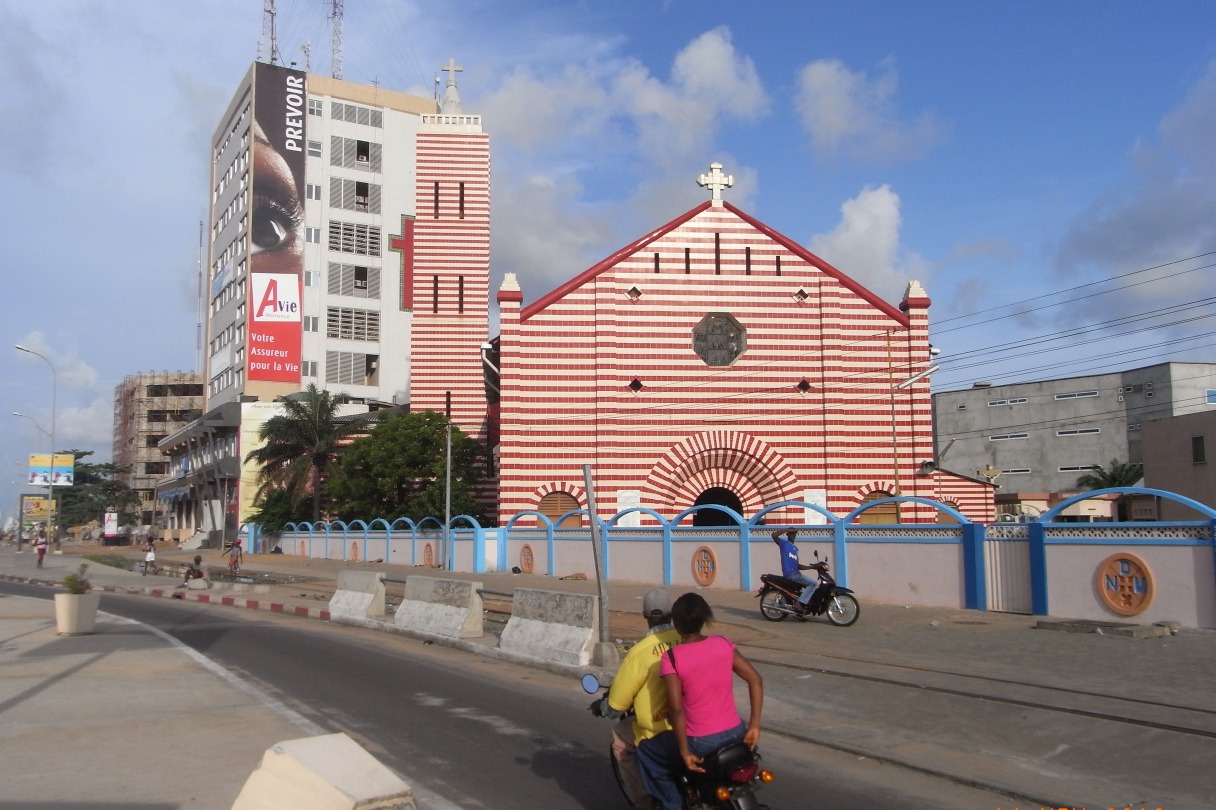
- Walk through the Cathedral of Notre Dame of the Immaculate Conception
- See the Grand Mosque in the heart of the city center.
Want to discover this destination?
Our local advisors design your tailor-made trip.