Agonvè Island: A Forgotten Gem
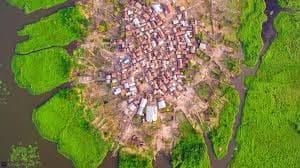
Nestled in the heart of Zagnanado municipality, approximately 180 km from Cotonou, Agonvè Island is far more than a simple expanse of land surrounded by the waters of Lake Azili.
Nestled in the heart of Zagnanado municipality, approximately 180 km from Cotonou, Agonvè Island is far more than a simple expanse of land surrounded by the waters of Lake Azili. It is a sanctuary where time seems to have stood still. Agonvè represents one of the most accomplished examples of symbiosis between local culture, spirituality, and ecological stewardship in Benin.
With a population of around 3,200 inhabitants, the island draws attention for its innovative conservation practices. For visitors who venture there, the experience is first and foremost sensory. The rustling of leaves from sacred forests mingles with the rhythmic lapping of water. Here, biodiversity is not an abstract concept, but a daily reality protected by centuries of tradition. Conservation practices, inherited from ancestors, have preserved an ecosystem that unchecked urbanization has destroyed elsewhere. Agonvè is living proof that spirituality can be the most effective safeguard against environmental degradation.
A Paradise for Biodiversity, Fishing, and Ornithology
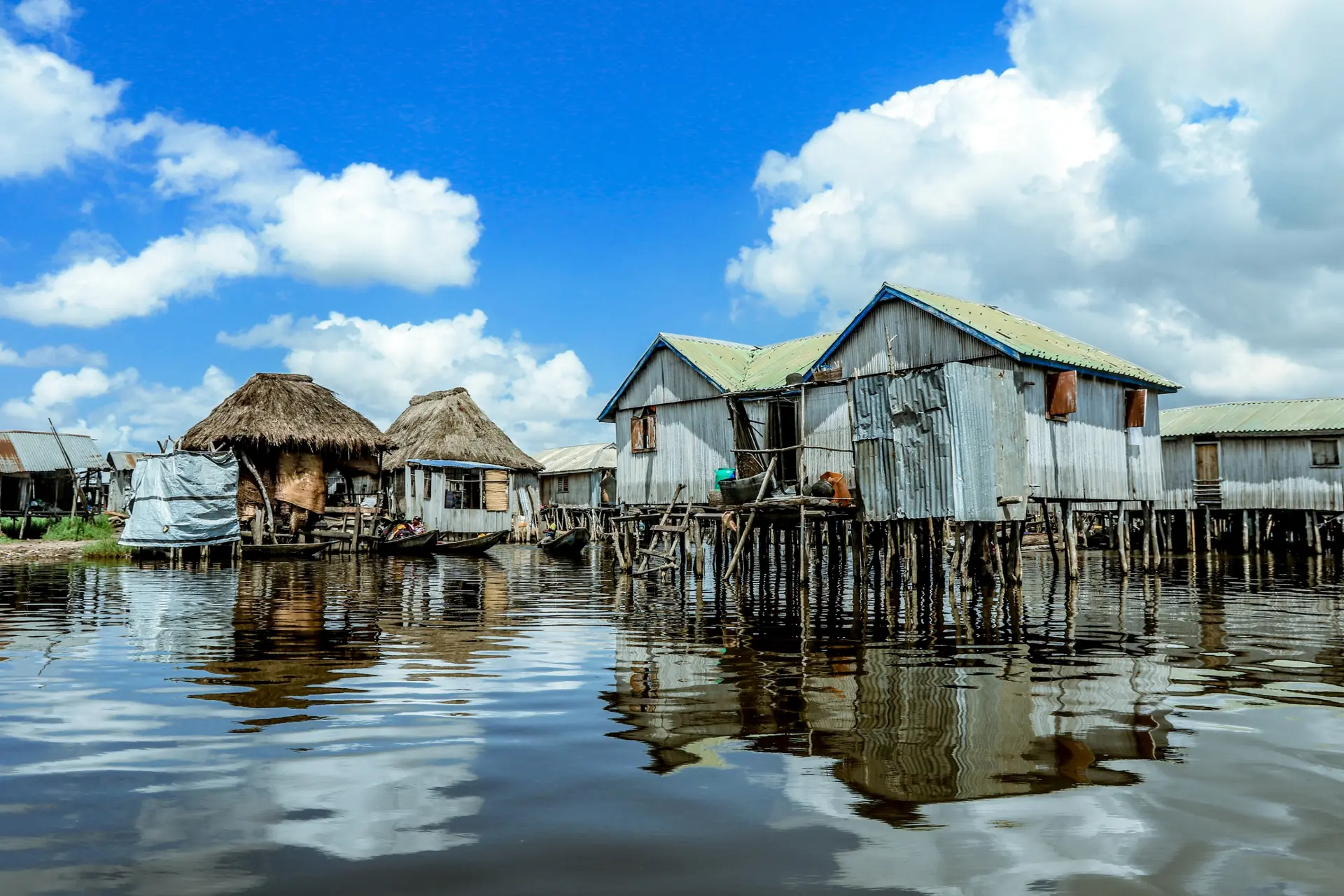
Agonvè is, without question, one of the most magnificent sites in Southern Benin for lovers of wild nature. Three pillars make this island an exceptional destination:
Ornithology: The island is a strategic refuge for migratory and resident birds. Observers can admire more than 118 recorded bird species. It is an open-air laboratory for scientists and a permanent spectacle for photographers.
Artisanal Fishing: A true driver of the local economy, fishing on Agonvè follows ancestral methods that respect reproductive cycles. The exceptional abundance of fish in the surrounding waters offers visitors an immersion in millennia-old know-how. Management is strict, including an annual fishing closure and a ban on fine-mesh nets.
Unique Biodiversity: Between wetlands and dense forests, the island is home to medicinal flora and diverse fauna, including remarkable species such as sitatungas, warthogs, primates, and crocodiles. It is a stronghold of ecological resistance that maintains the balance of the delta.
Yet, despite these assets, this "gem" remains largely unknown to the general public and international tourism circuits.
The Urgency of Action: Sanitation and Enhancement
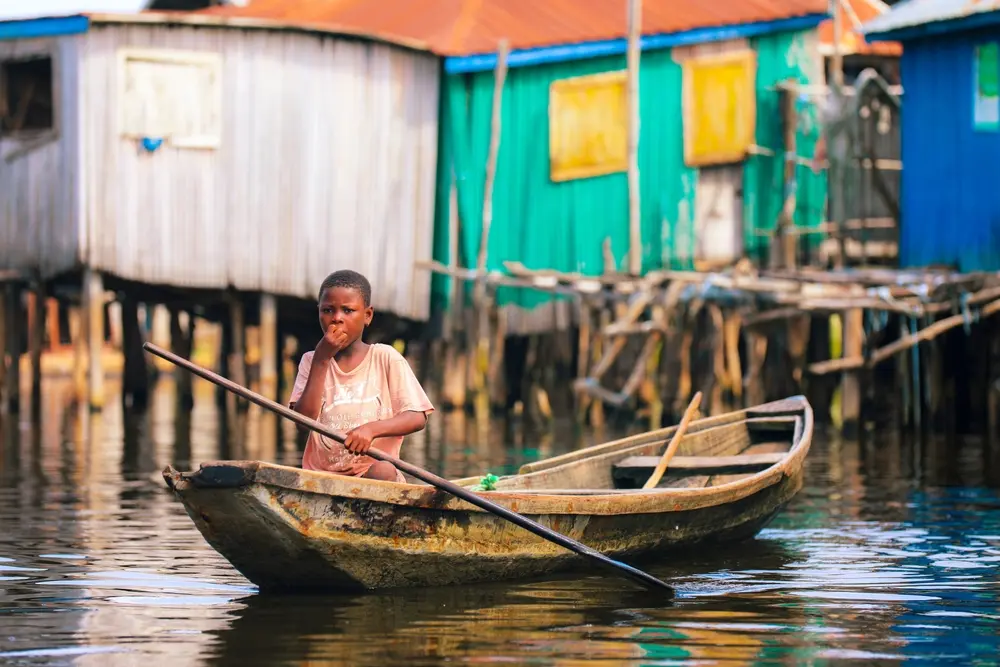
Despite its beauty, Agonvè faces major challenges. For this sanctuary not to disappear, an urgent call to action must be sounded. Sanitation of the shorelines is now an absolute priority. The accumulation of floating waste and human pressure (deforestation, pollution) threaten the purity of the waters and the health of ecosystems.
Enhancing Agonvè is not simply about turning it into a tourist site; it is about restoring its ecological dignity. It is essential to establish waste management systems adapted to the lacustrine environment and to raise awareness among both local populations and visitors about the fragility of this balance. A clean environment is the indispensable prerequisite for any sustainable development.
Toward a Policy of Development and Tourism Promotion
It is time for the Beninese State, private sector actors, and heritage preservation organizations to turn their attention to Agonvè Island. The potential for high-end, responsible ecotourism is immense.
We call for an ambitious development policy that would include:
Respectful opening of the region to facilitate access (the island is located approximately 45 km from Abomey) without altering the landscape.
Creation of lightweight welcome facilities (ecolodges) integrated into nature.
Targeted tourism promotion, highlighting the unique character of Benin's "spiritual island."
By investing in the promotion of Agonvè, Benin does not simply enhance a geographical site; it celebrates an identity. Agonvè deserves to become a global showcase for community-based ecological stewardship.