Dining in Benin
Eating in Benin is a true pleasure.
When planning to set foot on Beninese soil, many travelers worry about the culinary scene, assuming that because the country isn't widely known, dining options might be limited. In reality, nothing could be further from the truth. You can eat exceptionally well in Benin—just as you would in Europe. Whatever season you visit, Beninese cuisine delivers genuine satisfaction.
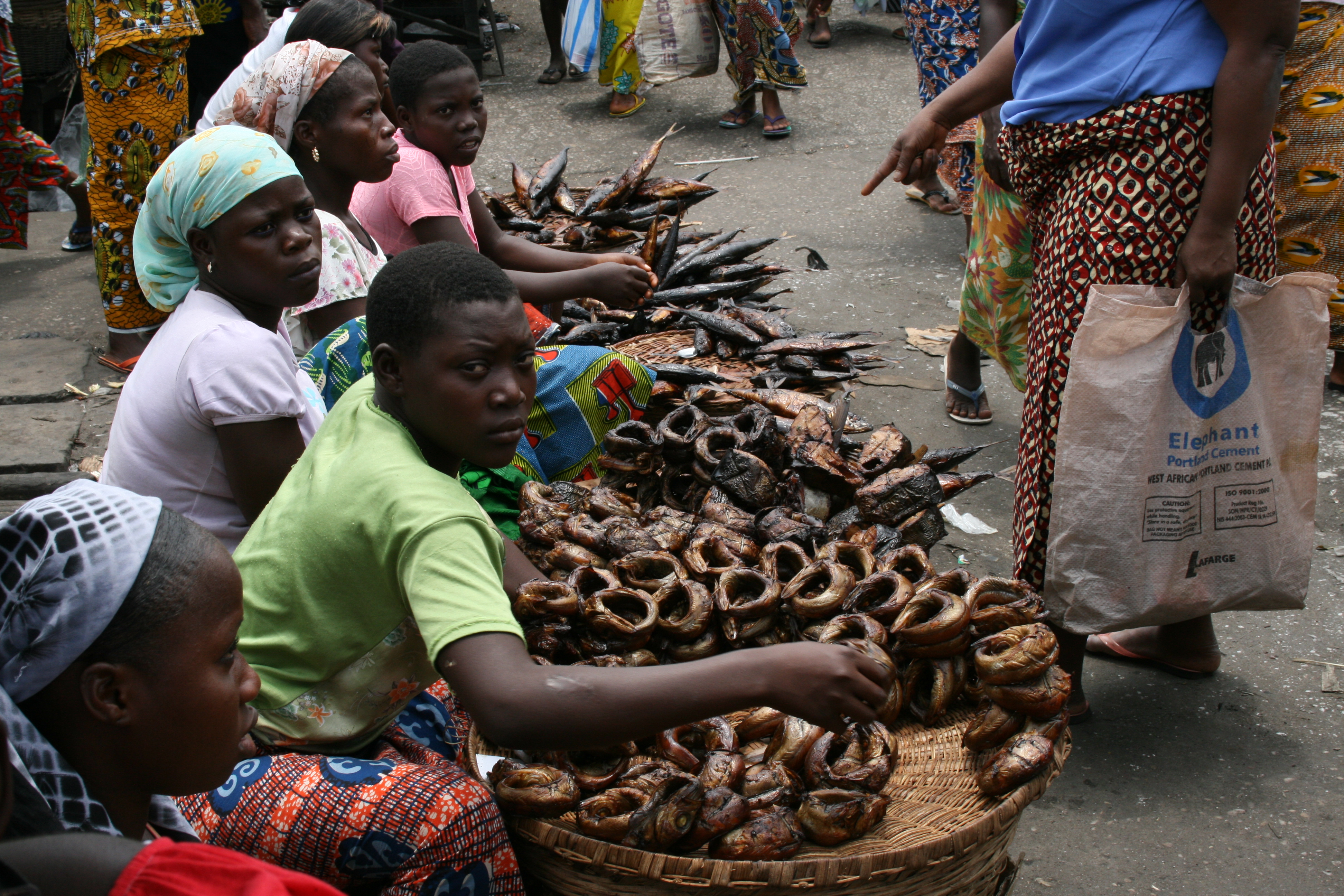
Throughout Benin's streets and markets, you'll discover tiny food stalls where dishes are prepared in large basins. These evolve into maquis—informal eateries with a few tables and chairs—when they expand slightly. Options exist at every price point. A dish from a local "good woman" (as locals affectionately call them) typically costs around €2, while a maquis meal ranges from €5 to €10. Beyond these, street vendors balance basins on their heads laden with beignets, cakes, and snacks.
For hygiene reasons and to safeguard your health, we recommend restaurants, maquis, and hotels where dishes are prepared with care and attention. Eating local cuisine isn't inherently risky—it's simply about knowing where to find wholesome, well-prepared food.
Benin caters to all social classes and budgets. Whether vegetarian or non-vegetarian, you'll find Beninese cuisine impressively diverse and satisfying. European and African specialties coexist on menus.
Children are particularly well catered for, with ice cream in countless varieties and creamy desserts. Breakfasts are comprehensive, featuring tea, coffee, bread, pastries, jam, spreads, cereals, and more.
You'll even find distinctly European restaurants, and Chinese establishments, particularly in Cotonou and Porto-Novo.
Main Culinary Specialties
Akassa: fermented corn paste served with sauce, molded into balls.
Pâte: corn paste with a mild flavor, designed for dipping into sauce.
Akpan: corn dumplings dipped in sauce.
Amio: red corn paste. Less bland than white paste, it's enriched with tomato purée blended with onions and chili. Served with sauce.
Gari: paste made from finely grated cassava flour, served over rice, spaghetti, or sauce.
Blokoto: black paste made from yam flour.
Fufu: pounded yam forming a paste with a subtle flavor.
Aloko: fried plantain rings.
Libo: yellow gari and amala.
Wagassi: a red-rind cheese reminiscent of mozzarella. Here, the cheese is fried and then dipped in spiced sauce. Exceptional!
Baignés: cake made from roasted groundnuts, ground and kneaded with water to extract the oil, then transformed into a paste and cooked in the extracted oil. Lightly spiced and delightfully crisp.
And the sauces
Monyo: sauce made with tomato, onion, and chili, often paired with red paste or fried fish.
Gombo: thick, okra-based sauce made with okra and a variety of beans.
Vegetable sauce: prepared with a blend of crabs or meat and spinach in sauce.
Beverages
Absolutely avoid tap water.
Possotomé water: captured in the village of the same name, on the shores of Lake Ahémé. Available everywhere in plastic bottles.
Béninoise: the national beer, not too strong and genuinely good.
You'll also find West African Flag beer.
Sodabi: palm alcohol, sold by the thimble-full in markets and small bars. At over 70° proof!!!
Tchapalo: a fermented corn-based beverage.
Tchoukoutouou or Tchouk: millet beer made in local homes. Roadside vendors are recognizable by their distinctive tchouk jar.