Practical information Benin
Planning a trip to Benin requires a few precise considerations that our team based in Cotonou masters daily. On the administrative side, the e-visa is obtained online through the official portal evisa.gouv.bj within 48 to 72 hours, for approximately 50 euros for a short stay. Yellow fever vaccination is mandatory upon entry, and malaria remains present throughout the territory, with preventive treatment systematically recommended. The CFA franc (XOF) is the local currency, at a fixed rate of 655.957 XOF per 1 euro, which simplifies calculations. Budget between 80 and 150 euros per day and per person for comfortable travel in full board with vehicle and guide, excluding international flights. Paved roads cover the Cotonou-Natitingou axis, but a 4x4 becomes necessary in Pendjari and on certain tracks in Atakora during the rainy season. The dry season runs from November to February in the south, with the harmattan cooling nights, while the north remains accessible until May for safaris. On etiquette, always greet before asking, avoid photographing people without consent, and remove your sandals before entering a vodoun convent. Benin is generally safe, with standard urban precautions in Cotonou. Isaac and our team remain available 24/7 during your stay.
Plan your trip by theme
Explore our practical guides organized by category to quickly find the information you need.
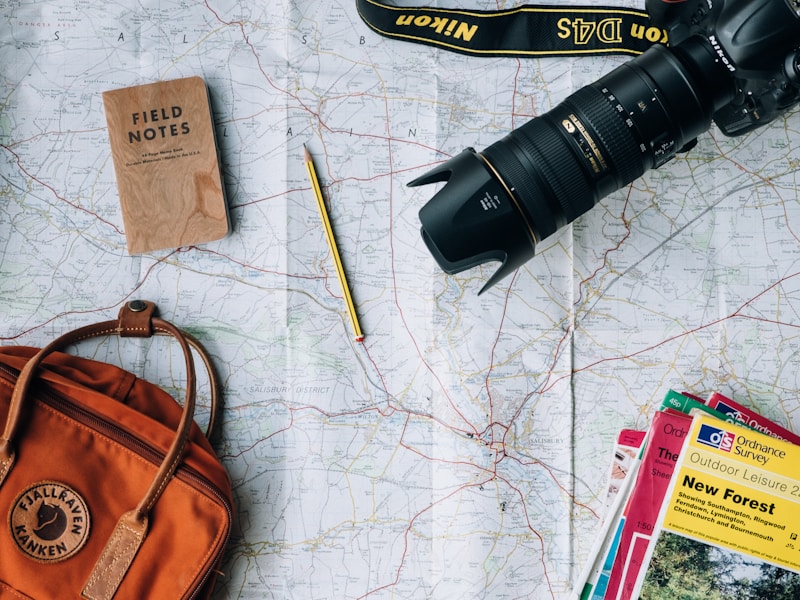
Before You Go
Beninese e-visa online, passport valid for 6 months, yellow fever vaccination required, travel insurance and formalities to plan ahead.
6 articles
Budget Money
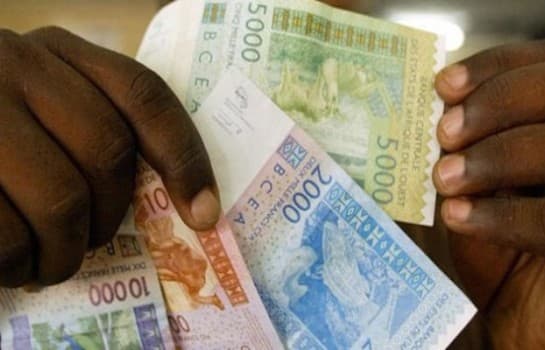
CFA franc at a fixed rate of 655.957 per 1 euro, range of 80-150 euros per day, ATMs in Cotonou, customary tipping.
1 article
Climate & Season
Dry season from November to February, harmattan in December-January, rains from June to September, contrasts between humid south and Sudanian north.
1 article
Transports
Asphalt road Cotonou-Natitingou, 4x4 essential in the Pendjari, pirogue on Lake Nokoué, very limited domestic flights.
2 articles
Culture
Living Vodoun traditions in the south, systematic greetings beforehand, modest clothing in villages, photos by permission only.
27 articles
Useful Tips
Bottled water, C/E type outlets at 220 V, MTN and Moov network, adequate security, advice from our team in Cotonou.
8 articlesAll practical guides
Search and filter among 45 articles






18 of 45 results
Frequently asked questions
The answers to the most frequently asked questions from our travellers.
Yes, an e-visa is mandatory for French, Belgian and Swiss nationals. The application is made online on the official portal evisa.gouv.bj, with a copy of your passport and a digital identity photo. The 30-day short stay visa costs approximately 50 euros, while the 90-day visa is around 75 euros. Processing time is 48 to 72 working hours, but we recommend submitting your application at least two weeks before departure. Your passport must be valid for six months after your return date and have at least two blank pages. Upon arrival at Cardinal Bernardin Gantin Airport in Cotonou, present the QR code received by email.
Yellow fever vaccination is mandatory, and your international vaccination certificate will be checked upon arrival. Strongly recommended vaccinations include hepatitis A, typhoid, meningococcal meningitis (especially during the dry season in the north, from December to May), rabies for long stays or travel to rural areas, and an up-to-date DTP-pertussis vaccination. Malaria is present throughout the territory year-round. Antimalarial treatment is essential and should be discussed with your doctor based on your profile and length of stay. Also consider mosquito repellents containing DEET and wear long clothing in the evening. A consultation at a travel medicine clinic four to six weeks before departure will help you organize this vaccination schedule.
Excluding international flights, expect between 80 and 150 euros per day and per person for an organized trip with all meals included, private vehicle, English-speaking driver-guide and good quality accommodations. Accommodation costs range from 30 to 80 euros per night in a double room depending on the region, more expensive in Pendjari (lodges) and more affordable in Abomey or Natitingou. A meal at a local maquis costs 3-5 euros, at a Cotonou restaurant around 12-20 euros. Entry to the Abomey palaces costs 5,000 FCFA, entry to Pendjari park 10,000 FCFA per day and per person. Tips for the guide and driver, around 5 to 10 euros per day, are appreciated.
The dry season, from November to February, remains the most comfortable period across the entire country. Temperatures range between 24 and 32°C, the harmattan cools the nights in the north during December-January, and January 10 marks the national voodoo festival in Ouidah. For safaris in Pendjari, the window extends from December to May, with maximum animal concentration in March-April, but temperatures climbing to 38°C. The main rainy season runs from June to September, with tracks sometimes impassable in the north and Ganvié, but very green landscapes. Avoid the short dry season in July-August in the south, as it's unreliable. Our team adjusts the itinerary based on your chosen month.
Benin is traveled almost exclusively by road. The main axis Cotonou-Bohicon-Dassa-Parakou-Natitingou is paved and in good condition for approximately 600 kilometers; allow 9 to 10 hours from Cotonou to Natitingou. The Atakora and Pendjari tracks require a 4x4, especially during the rainy season. In Ganvié, the pirogue is the only means of access, 30 minutes from the Abomey-Calavi landing point. Domestic flights are virtually nonexistent. We work with English-speaking driver-guides who know the roads, checkpoints, and reliable stops. Motorcycle taxis (zémidjans) are practical in town, but we reserve them for short accompanied journeys.
Benin is generally safe for travelers, with low crime rates and a welcoming population. Standard urban precautions apply in Cotonou, especially in the evening: avoid walking around with visible jewelry or equipment, and prefer recommended taxis. The border area with Burkina Faso and Niger, north of W Park, is advised against by the Ministry of Foreign Affairs due to terrorist threats, and our itineraries strictly avoid it. Pendjari Park remains accessible and secure under African Parks management. Roads are safe during the day; we avoid night drives. Isaac and our team remain available 24/7 during your stay, with immediate English-speaking assistance if needed.
Ready to travel to in Benin?
Discover our tailor-made itineraries, designed by our local team. Each route adapts to your pace, your preferences and your travel season.
See our toursWe use cookies to improve your experience and measure our site's audience. You can choose what you accept. Learn more.