The Royalty of Parakou
The Royalty of Parakou
Capital of Borgou and heir to the Kobourou kingdom, Parakou is the key stopover in northern Benin: vibrant markets, living museum and ethnic crossroads.
Regarded as the largest city in eastern Benin, Parakou is a wonderful destination to explore. It is a city abundant with small shops, handwoven textiles, local produce and magnificent works of art that are distinctly African. Beyond commercial activities, Parakou invites visitors to discover Beninese culture for a complete immersion into the heart of the city's history.
Like all other Beninese cities, Parakou has left its mark on the history of its founding. Indeed, the first inhabitant of the city was Sina Kpebiegi, an adventurous hunter from the Baatonou people who came from Sandiro, the present-day city of Pèrèrè. Later, another Baatonou arrived to settle on the banks of the Dama river. Thus was formed the settlement of Dama Duru. The two village chiefs then controlled the city for generations. During the 17th and 18th centuries that followed, there were wars of conquest that pitted the kingdom of Dahomey under the authority of King Houegbadja against the emperor of Oyo. Guerrillas forced the King of Dahomey to organize raids (pillaging) to sustain the war effort. To resist the pillaging of the oppressors, the king of Savè then sought help from the king of Nikki. The latter intervened when the king of Savè had already resolved the conflict with the kingdom of Dahomey peacefully. However, the kingdom of Nikki saw this act as an offense and beheaded the king of Savè. A king who left behind a prince of Savè named Kabiesi who was later adopted by King Sinaboko of Nikki. As an adult, Prince Kabiesi not only benefited from the same education as the Wasangari princes, but also became a valiant warrior with the capacity of a true leader. Reassured by his abilities, he left the capital of Nikki and settled in Sinaguruu with the status of political and administrative chief. In this way, began the founding of the Kobourou kingdom (present-day Parakou) comprised of Kpebie, Sinaguruu, Komi-Gea and traders from Arzeke market. These various merchants from different ethnicities (Mandinka, Yoruba, Hausa, Gurmache, etc.) all contributed to the development of the kingdom. Thus was born the largest city of Eastern Benin, bearing the name "Parakou".
Once called the kingdom of Kobourou, the city of Parakou is now renowned for its sites and activities that delight travelers from around the world. Parakou is in general a very lively Beninese city thanks to the various bustling markets throughout the city. At the international Arzeke market (the most famous market in Eastern Benin), you can find handmade items, African clothing, local artisanal products, etc. Apart from the main commercial centers of the settlement, there are also numerous attractive places to visit such as: the ethnographic museum, the Notre-Dame Star Monastery and the Songhaï center.
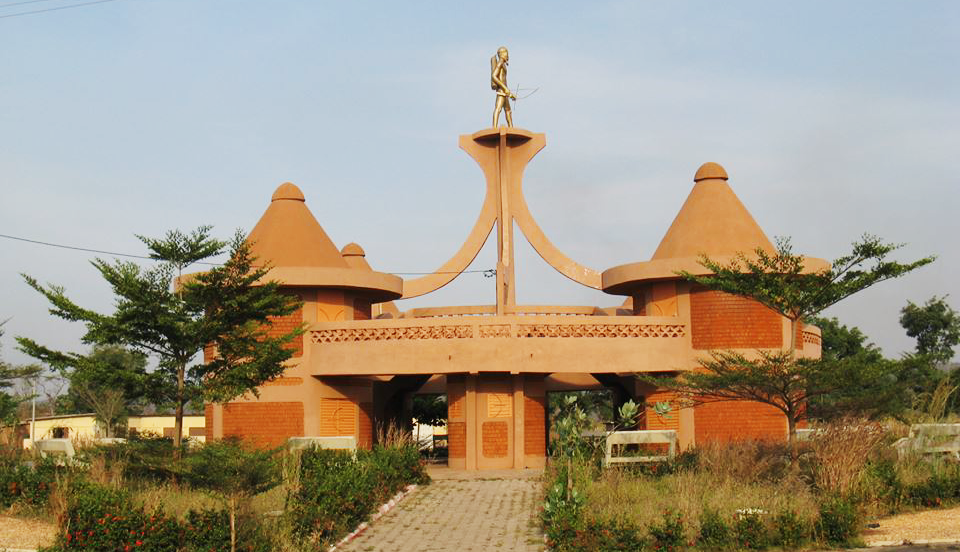
The city of Parakou is still far from having the prominence of Cotonou, but this does not prevent it from being among the most visited tourist cities in Benin. Indeed, in the heart of this wonderful settlement is found the ethnographic museum, commonly called the open-air museum of Parakou. Open to the public since 2004, it serves to showcase the national and regional culture of Benin through traditional architecture. It is also currently the venue where the Festival of Griots is held each year. Its magnificent collections particularly concern educational workshops for children, cultural objects of the city, ancestral musical instruments, traditional vestments and archaeological artifacts.
Beyond the ethnographic museum, there is also a Catholic abbey to visit, the Notre-Dame Star Monastery. It is located right in the heart of the city center. It is a religious establishment created in 1960 by the Cistercian Sisters of Notre-Dame des Gardes. The cornerstone was laid by Monsignor Gantin, then Archbishop of Cotonou.
After your visit to the Notre-Dame Star, head directly to the Songhaï center. It is a research, teaching and agricultural production center. It is located just 12 km from Parakou on a site of 214 hectares. This site is indeed a development opportunity for the city and its inhabitants. An organization systematically aiming to master the agro-ecological realities of the northern Benin region.
The climate of Parakou is known as tropical. It is a savanna climate with dry winters according to the Köppen classification, since precipitation is more substantial in summer than in winter (1,023.6 mm). Average temperatures range between 26°C and 28°C, and the best time to travel there is January, February, November and December.
Parakou is connected to Cotonou and other neighboring cities by an inter-state paved road. You can also opt for a regional flight from Cotonou's international airport or from Tourou airport in Parakou.
Embark on an adventure in the great city of Parakou by taking taxis, bush taxis or motorcycles (Zém). These are the most commonly used means of transportation in the settlement. The city also has car rental agencies if you wish to explore at your leisure.
- Attend the Kobourou Artistic and Cultural Festival (FACK): the annual gathering of filmmakers and artists.
- Explore the open-air museum of Parakou (ethnographic museum)
- Discover the Notre-Dame Star Monastery
- Take a stroll at the international Arzeke market
- Visit the Songhaï center (research, teaching and agricultural production center)
Want to discover this destination?
Our local advisors design your tailor-made trip.