Kétou
Kétou
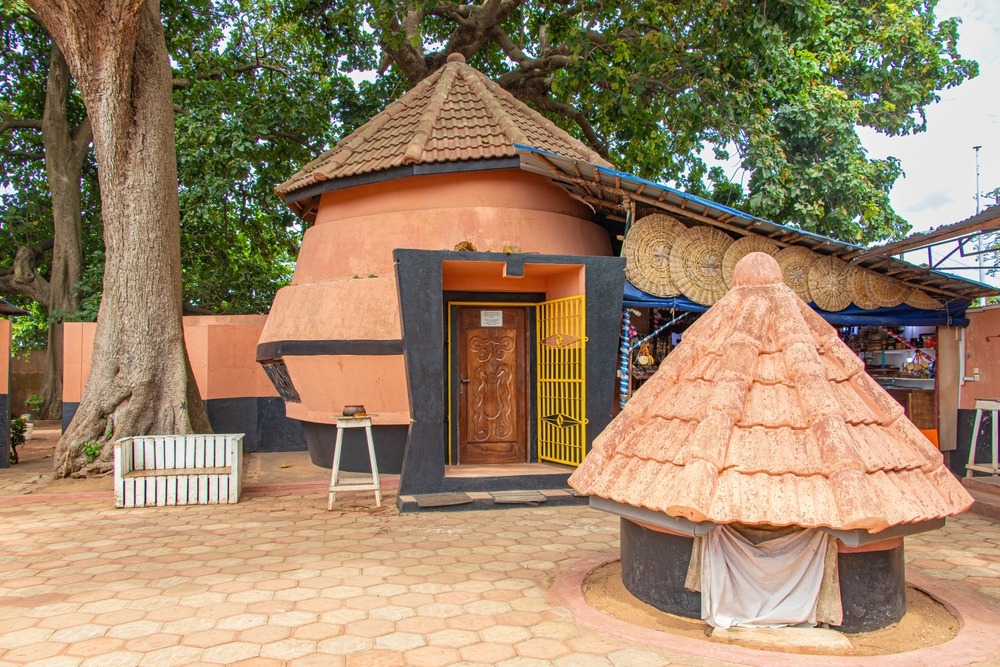
Once the capital of a Yoruba kingdom founded between the 10th and 14th centuries, Kétou preserves the magical gates of Akaba-Idena, the palace of the 48 Alaketu rulers, and the living memory of the Yoruba people.
Kétou is a town located in the southeastern region of Bénin, in the Plateau department. It is primarily recognized for the diverse remnants left from its age of royalty. These vestiges have established Kétou as one of the country's most favored tourist destinations. In this charming city, numerous sites await visitors: the Akaba-Idena museum, the royal palace, the sacred remains of Ita Nla, the sacred river EKA at Idigny, and the Aïtan-Ola fetish (sacred remnants).
According to historical accounts, the kingdom of Kétou was founded by King Edé around the 10th century. Some sources claim it was established in the 11th century, while others assert it was built in the 14th century. It is important to note that these datings stem simply from differing interpretations among historians. No exact date exists regarding the founding of Kétou.
In ancient times, Kétou was the seat of an old Yoruba kingdom. This kingdom traces its origins to the ancient city of Ilé-Ifè, located in southwestern Nigeria. Indeed, the dispersal and migrations of Yoruba peoples resulted from the seven descendants of a Yoruba emperor known as Oduduwa. Each of them subsequently gave rise to what became known as the great Yoruba kingdoms. These kingdoms were recognized as the legitimate custodians of the Yoruba crown. Tradition even specifies that Kétou is undeniably considered the eldest member of the Yoruba family. According to history, shortly after Oduduwa's death, the emperor left behind seven grandsons and seven granddaughters. Among them was a second daughter recognized as a princess who became the mother of Alaketu. He became the ancestor of the Kétou people.
As for Kétou tradition, legend recounts that a certain Shopashan was responsible for founding the kingdom. He supposedly left the city of Ilé-Ifè with his family and other clan members. His objective was to travel westward before settling in Aro, a small village northeast of Kétou. Quickly, Aro became too small for the growing clan population, and the decision was made to seek a location better suited to the group's needs. The new king Ede immediately sought counsel from an elderly hunter named Alalumon, who indicated the location of what would soon become Kétou. King Ede then left the small village of Aro with 120 families to settle beneath the tree indicated by hunter Alalumon. A tree around which the city was born, its location marked to this very day.
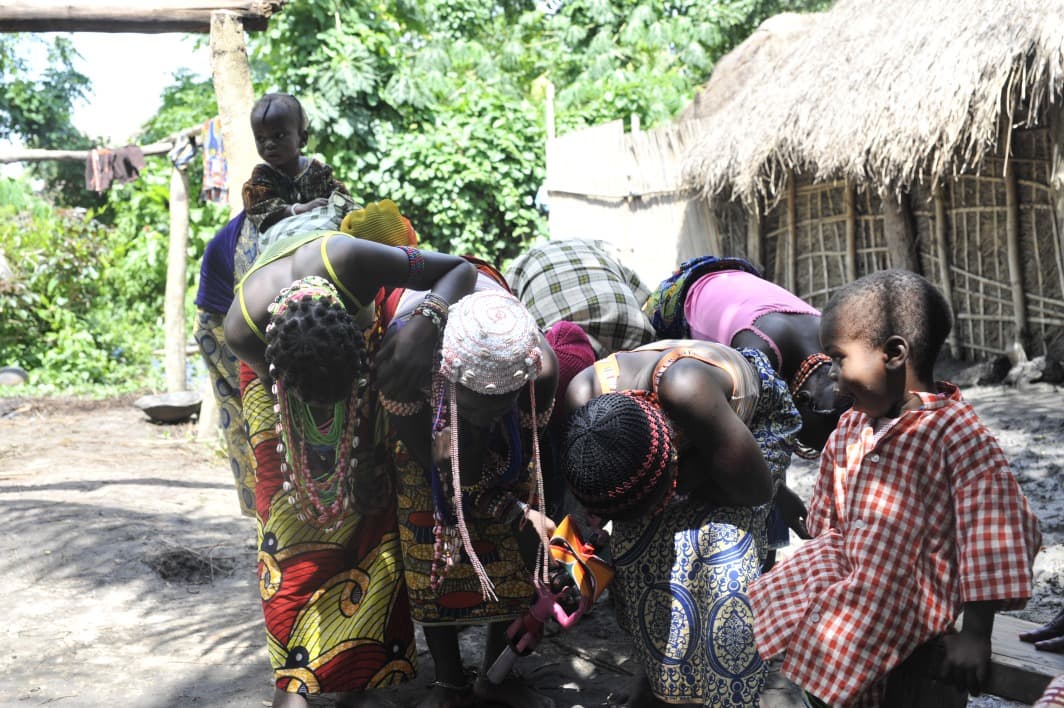
The journey that King Ede undertook remains in the memories and traditions of all his descendants to this day. In fact, each new king must repeat this fabulous odyssey before his enthronement. However, King Ede, though the city's founder, is considered only the seventh Alaketu, having been preceded by six sovereigns during the age of Aro.
Kétou is currently recognized as a city and administrative district within the Plateau department. Geographically, it is bounded to the north by the cities of Dassa and Savè; to the south by the city of Pobè; to the east by the Nigerian border; and to the west by Zagnannado. Indeed, the city is only 140 km from the metropolis of Cotonou and 100 km from the administrative capital Porto-Novo. These distances, relatively close to the country's two capitals, qualify Kétou as a sought-after tourist destination. However, it should be noted that Kétou is characterized as a large, underdeveloped rural community. Economically, the city relies primarily on agriculture and commerce.
Beyond its geographic and economic positions, Kétou stands out especially for its remarkable tourist sites. The town encompasses sites such as the Akaba-Idena museum, the sacred river EKA located at Idigny, the Aïtan-Ola fetish commonly called "sacred remnants,
Want to discover this destination?
Our local advisors design your tailor-made trip.