Pendjari National Park
Pendjari National Park
Pendjari National Park, in northwestern Bénin, is West Africa's premier wildlife reserve. Lions, elephants and hippos roam a savanna crossed by the Pendjari River — ideal terrain for photo safari.
Pendjari National Park, in northwestern Bénin, is one of West Africa's best-preserved wildlife reserves. Designated a UNESCO biosphere reserve, it is home to lions, elephants, buffalo, hippos and over a hundred bird species. Photo safari here replaces the rifle with the camera lens: golden light at sunrise, laterite tracks and wild animals roaming free across savanna and cliff-lined landscapes.
Practical Information at a Glance
- Access: departing from Tanguiéta, approximately 600 km north of Cotonou; a 4×4 is mandatory on these tracks.
- Entry: park entrance fee required; an official guide is mandatory for vehicle circuits.
- Best season: dry season from November to May — wildlife concentrated around water sources, low vegetation, maximum visibility.
- Recommended duration: minimum 2 days to cover key zones; 3 to 4 days ideal.
- Attire: neutral colors (khaki, beige, olive green); avoid white and bright colors.
- Accessibility for people with reduced mobility: limited — unarranged tracks, rough terrain.
Wildlife You'll See
Pendjari concentrates remarkable fauna for the region. Savanna elephants frequent the banks of the Pendjari River. Lions, reintroduced and monitored by African Parks since 2017, are sometimes spotted in early morning. Buffalo, warthogs, hippos, Buffon's kob and baboons complete the picture. Birdwatchers can identify more than 300 bird species here, including the African jabiru and the Abyssinian ground hornbill.
History and Context
Created in 1954 under French administration, the park covers approximately 2,755 km². It forms the transboundary WAP complex together with W National Park (Niger/Burkina) and Arly Park (Burkina), one of West Africa's largest protected ecosystems. Since 2017, the NGO African Parks has managed Pendjari in partnership with the Bénin government, delivering measurable results in lion population recovery and anti-poaching efforts.
Highlights of Your Visit
Sunrise Over the Watering Holes
The first hours after dawn are the most rewarding. Animals drink before the heat; raking light gives photographs unparalleled quality. Bali and Dassari ponds are privileged observation points.
The Pendjari River
The river is the lifeblood of the park. In the dry season, hippopotamuses gather in large herds. Nile crocodiles line the banks. A stop on the riverbank allows you to observe aquatic wildlife without leaving your vehicle.
The Atakora Cliffs
The Atakora chain borders the park to the east. These sandstone escarpments offer a dramatic backdrop for landscape photography and shelter nesting raptors, including the African vulture.
Night Drives (Subject to Authorization)
Some lodges offer guided twilight excursions. Servals, civets and genets become visible then. Check current regulations with the park manager at the time of your stay.
Photography Tips
- Golden hour: venture out between 6 a.m. and 9 a.m., and from 4:30 p.m. until sunset — light is soft, shadows long.
- Focal length: a 300 to 500 mm telephoto lens is essential for mammals; a wide-angle for savanna landscapes.
- Stabilization: bring a bean bag or window support to rest your lens on the 4×4's ledge.
- Discretion: mute your camera sounds, avoid sudden movements and remain in the vehicle unless your guide instructs otherwise.
- Restrictions: no drones permitted without special authorization from park authorities.
Location and Access
The park is accessible from Tanguiéta, the main gateway town in northwestern Bénin. The paved road connects Cotonou to Natitingou, then a track leads to Tanguiéta and the park entrances. A 4×4 is essential within the park. Several lodges are located on the periphery or within the park; book well in advance during high season (December–February). Domestic flights operate from Cotonou to Natitingou depending on the season — confirm availability through your agency.
Nearby Attractions
- Natitingou — regional capital of Atakora, logistical hub and vibrant marketplace.
- Tata Somba (Koutammakou) — fortified dwellings of the Batammariba people, UNESCO World Heritage site.
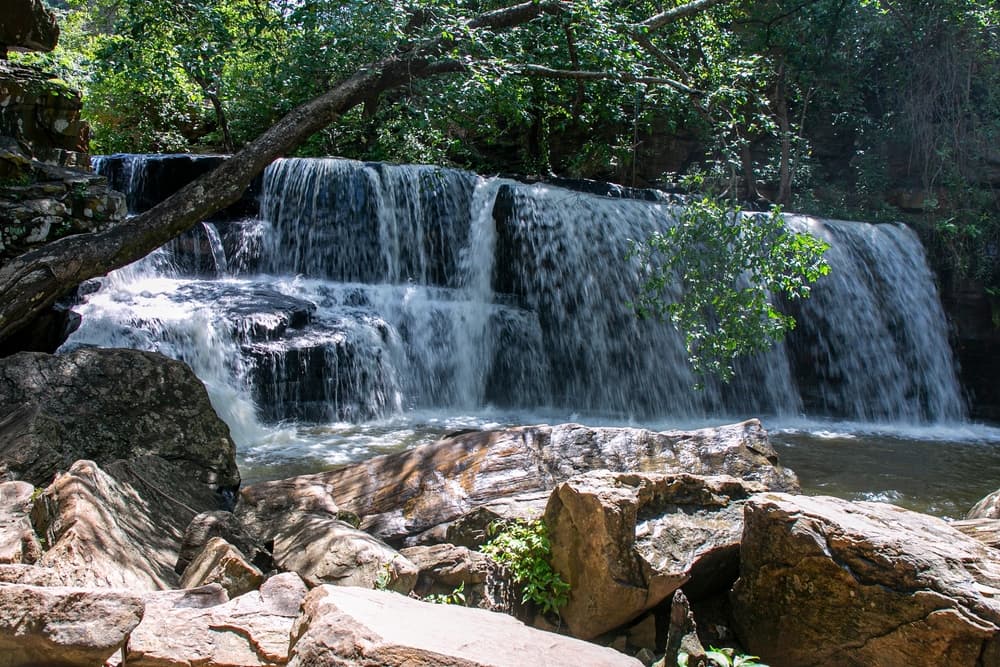
- Tanougou Waterfall — waterfall in gallery forest, ideal for a break after your safari.
- W Park (Bénin side) — extension of the WAP complex, less frequented, accessible from Kandi.
Frequently asked questions
The dry season, from November to May, offers ideal conditions: low vegetation, animals gathered around water sources and passable tracks. January to March is peak season for visitation and wildlife sightings.
Yes. An accredited official guide is required to move through the park. They know the tracks, frequented water sources and safety protocols around large animals.
Yes, though sightings are not guaranteed. The lion population has grown under African Parks management. Observations are more frequent in the dry season, early morning, in open areas.
Choose neutral colors: khaki, beige, olive green. Avoid white, black and bright colors that may disturb wildlife. A hat and sun protection are essential.
Absolutely. Natitingou serves as a base for both sites. Tata Somba (Koutammakou) can be visited in one day from Natitingou, before or after your park stay.
No, not without special authorization granted by park authorities. Unauthorized drone use is prohibited and may disturb wildlife. Check with African Parks before departure.
Give it a go!
Our local experts arrange this activity for you.